
Environment
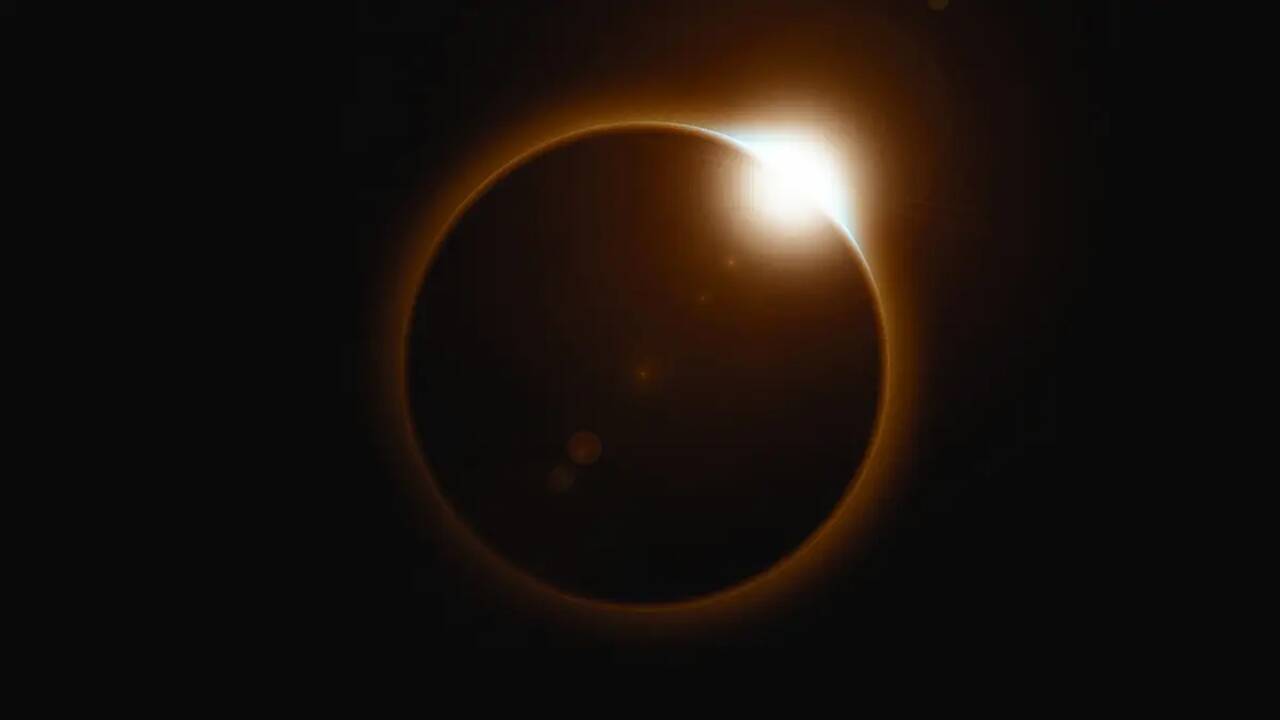
Solar eclipse on Aug 12: biggest since 1999 visible across Europe and west
Key Points
The world of astronomy enthusiasts is buzzing, as August 12, 2026 is set to bring a jaw-dropping total solar eclipse to Europe, the likes of which haven’t been seen since the big one in 1999. For a few minutes, spots along a narrow path will plunge into daylight darkness, turning everyday scenes dreamy and unforgettable. Only a handful of places, like parts of Spain, Iceland, Greenland, and a sliver of Portugal, will witness totality, but most of Europe, including the UK, will enjoy a...
The world of astronomy enthusiasts is buzzing, as August 12, 2026 is set to bring a jaw-dropping total solar eclipse to Europe, the likes of which haven’t been seen since the big one in 1999. For a few minutes, spots along a narrow path will plunge into daylight darkness, turning everyday scenes dreamy and unforgettable. Only a handful of places, like parts of Spain, Iceland, Greenland, and a sliver of Portugal, will witness totality, but most of Europe, including the UK, will enjoy a dramatic partial eclipse. In the West Country, the Moon will cover over 90% of the Sun, making it the best eclipse the region has seen since 1999. Word to the wise: start planning early, as hotels and viewing spots along the path are selling out fast.
Total solar eclipse: What you need to know
A total solar eclipse, in theory, happens when the Moon slips right in front of the Sun from our viewpoint, completely blocking its light for anyone standing inside the path of totality. In reality, the scenes are almost out of the world: day vanishes, temperatures dip, birds go quiet, and the corona (that faint, wispy halo around the Sun) leaps into view.
It’s one of the rarest sights; the kind you never forget.
This eclipse starts in the Arctic, cruises across Greenland, western Iceland, the North Atlantic, northern Spain, and just grazes northeastern Portugal. Right in the center, totality will stick around for just over two minutes, with the longest show out over the Atlantic.
Millions more in Europe, northwestern Africa, Canada, and parts of the US will get a partial eclipse, as that’s when the Moon takes a bite out of the Sun, but doesn’t block it entirely.
Spain
Spain is the hotspot for this one, and it’ll see its first total eclipse in more than 100 years. The path slices across the north, touching cities like Bilbao, Zaragoza, Palma, and A Coruña. Madrid and Barcelona will get a show too, though not full darkness. Because the eclipse happens in the evening, viewers get to see the Sun slide behind the horizon, which promises pretty awesome photos. Expect crowds, as a lot of travelers are lining up to witness the event.
Iceland
Western Iceland is another prime location, and what makes it more exciting is that it hasn't seen a total eclipse since 1954. If weather holds, people there will get the full experience. Greenland is on the path too, but it’s pretty remote, so travel’s tricky.
West Country (UK)
Southwest England doesn’t get totality, but Cornwall, Devon, and Somerset will see the deepest partial eclipse in Britain, with the Moon blocking more than 90% of the Sun. Best views will be along the coast with an open western horizon, especially if the weather stays clear. The sky won’t go black, but daylight will fade, temperatures drop, and shadows turn unusually sharp — all of which makes it a memorable moment if you’re watching safely.
As for bonus points, this eclipse isn’t the only cosmic treat in August. The Perseid meteor shower peaks the next day under perfect dark skies, and later in the month there’s a partial lunar eclipse too. August 2026 is probably the richest for skywatchers in years.
NASA adds extra layers
It’s not just a sightseeing opportunity, either.
NASA’s sending research planes and balloons after the Moon’s shadow to study the Sun’s corona and the Earth’s atmosphere. They’ll collect valuable info on solar activity, how sudden darkness changes things, and more.
So, if you plan to watch, remember to never look at the Sun without proper eye protection. Only during totality (and only if you’re in the path!) can you pop off those eclipse glasses. Everywhere else (including the UK), stick with ISO 12312-2 certified glasses or special solar filters. Sunglasses and home-made stuff won’t cut it, as they can wreck your eyes.
If you’re hunting for totality, start early. Hotels in Spain and Iceland are already booking up fast. Astronomy clubs and observatories are organizing viewing events and workshops. Weather will decide the best spots, so eclipse chasers suggest picking places with historically clear skies and staying nimble in case the forecast changes.