
Health
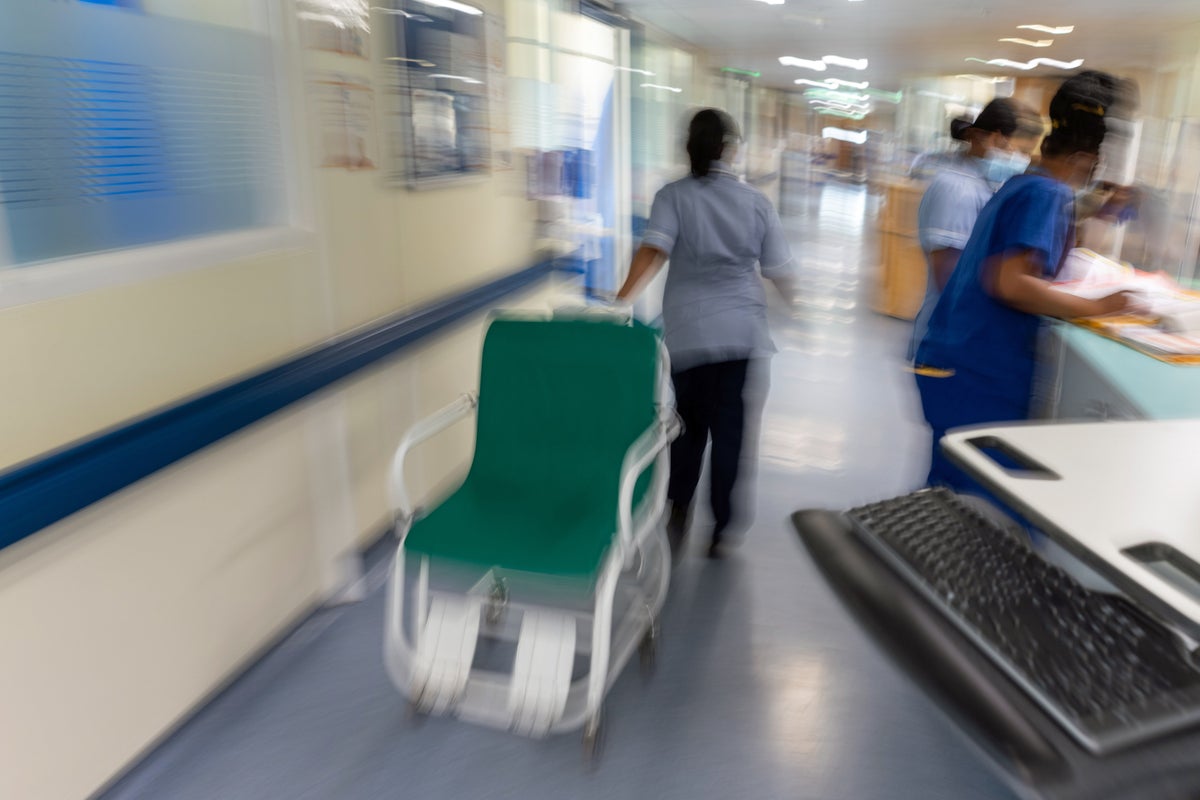
NHS told to prepare for annual heatwaves the same way it does for winter
Key Points
NHS told to prepare for annual heatwaves the same way it does for winter Yvette Cooper called on the public to look out for the elderly and other individuals vulnerable to the extreme heat - Bookmark - CommentsGo to comments The NHS has been told to prepare for the effects of annual heatwaves in the same way that it makes preparations for the winter months. Yvette Cooper, the health secretary, said there has been a “big increase” in the number of people seeking help at A&E due to the effects...
NHS told to prepare for annual heatwaves the same way it does for winter
Yvette Cooper called on the public to look out for the elderly and other individuals vulnerable to the extreme heat
- Bookmark
- CommentsGo to comments
The NHS has been told to prepare for the effects of annual heatwaves in the same way that it makes preparations for the winter months.
Yvette Cooper, the health secretary, said there has been a “big increase” in the number of people seeking help at A&E due to the effects of hot weather.
She also called on members of the public to look out for the elderly and other individuals who are vulnerable to the extreme heat.
“I spoke to A&E staff who were telling me that they’ve had a big increase in patients coming into A&E linked to the heat in a way that you would normally only see in the winter,” she told LBC Radio.
“So I’ve been clear: the NHS has to make sure we are preparing for summer pressures now in the same way we prepare for winter.
“What it means is making sure that you’ve got plans in place to respond to higher numbers of people coming in to A&E, for example, who are vulnerable because of the heat; that you’ve got the arrangements in place to make sure people can then be returned from hospital as swiftly as possible; the arrangements in place to manage the conditions.
“But it also needs much stronger prevention – we know that it’s the elderly and vulnerable who are at risk when you have these heatwaves.”
Ms Cooper told Times Radio: “Heat does have an impact. We’ve had heat health warnings that have been issued in different times in different areas, exactly because of the impact it can have on those who are frail and elderly and vulnerable, but also on the very youngest children as well.”
She told The Guardian: “This is a new thing for the NHS to have to deal with.
“There is a remarkable determination of the NHS to respond, but we need much greater resilience.
“We need a much clearer assessment now of what that means, what the pressures are going to be, what management needs to be in place to cope.”
She told the newspaper that she had discussed a public health awareness campaign urging the public to look out for individuals vulnerable to the effects of heat, including the elderly and young children.
She told LBC: “We need all of us, to be honest, to just keep an eye on elderly, frail relatives or neighbours in these heatwaves in exactly the same way that we might if there was a real cold spell.
“And just recognise that those extremes of weather can affect people in terms of the heat.
“We’ve had, I think, 2,700 additional deaths because of the heatwave in May and June. I think we have to take that seriously in terms of across communities, not just when people arrive at A&E.”
According to estimates by researchers from Imperial College London, the Met Office, and the London School of Hygiene and Tropical Medicine, there were 2,700 excess deaths in England and Wales over the two heatwaves.
Their study examined the periods around the record-breaking heatwaves of May, when temperatures peaked at 35.1C, and June, which hit new highs for the month of above 37C, accompanied by high humidity.
Health leaders have warned that England is on track this year for the highest number of deaths caused by heatwaves since current figures began.
The UK Health Security Agency (UKHSA) said last month that it “is likely that 2026 could see the highest number of heat-associated deaths on record”, surpassing the number in 2022 when the agency started studying them.
Join our commenting forum
Join thought-provoking conversations, follow other Independent readers and see their replies
Comments