
Health
Alex Hughes death: What is sudden arrhythmic death syndrome?
Key Points
Alex Hughes death: What is sudden arrhythmic death syndrome? Sudden arrhythmic death syndrome affects around 500 people every year - Bookmark - CommentsGo to comments The son of Wales and Manchester United legend Mark Hughes died from sudden death syndrome, an inquest has found. Alex Hughes, was found collapsed on his bedroom floor at his home in Cheshire by his two sons at 7am on June 19, a coroner was told.
Alex Hughes death: What is sudden arrhythmic death syndrome?
Sudden arrhythmic death syndrome affects around 500 people every year
- Bookmark
- CommentsGo to comments
The son of Wales and Manchester United legend Mark Hughes died from sudden death syndrome, an inquest has found.
Alex Hughes, was found collapsed on his bedroom floor at his home in Cheshire by his two sons at 7am on June 19, a coroner was told.
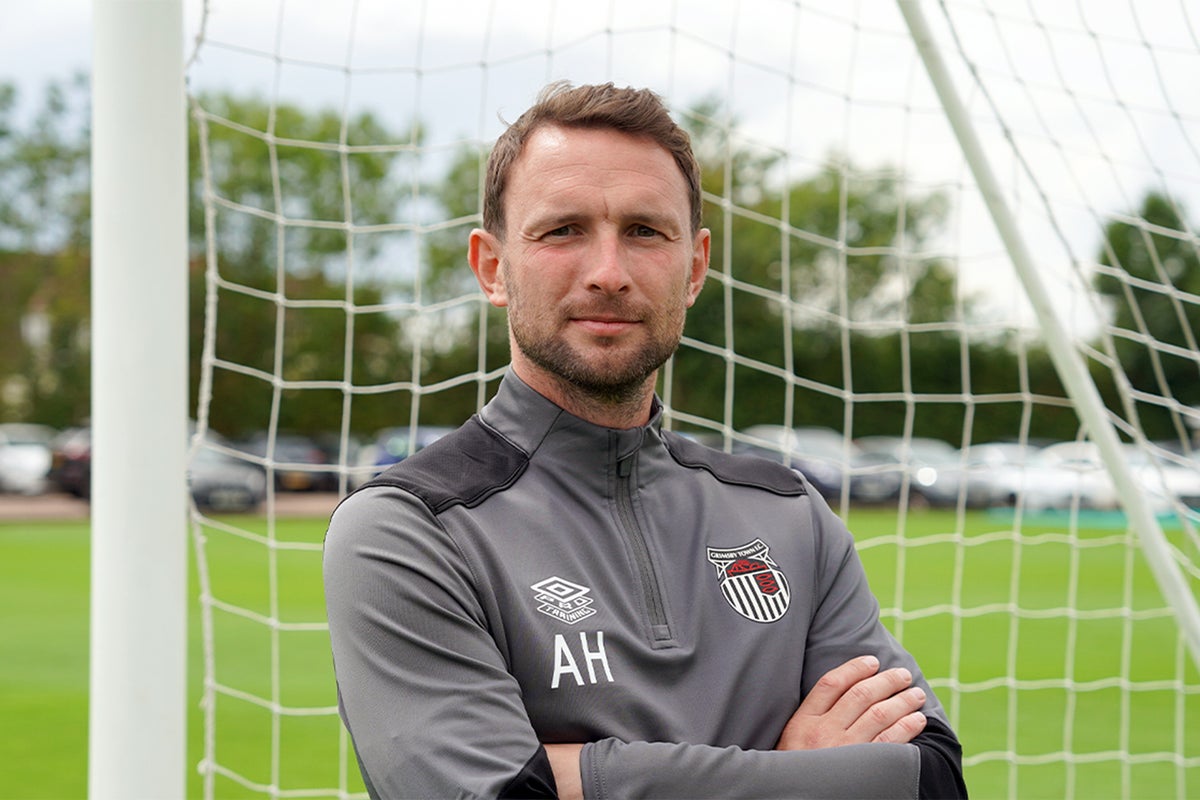
The 38-year-old, who was Grimsby Town’s player recruitment lead, could not be revived when his eldest child, 11, carried out CPR, Wednesday’s inquest at Cheshire Coroner’s Court heard.
The coroner gave the cause of death as Sudden Arrhythmic Death Syndrome (SADS) and said it was down to natural causes.
SADS affects about 500 people every year - predominantly young males. Here, we take a look at what SADS is and some of its causes.
What is sudden arrhythmic death syndrome (SADS)?
The British Heart Foundation says sudden arrhythmic death syndrome - also known as SADS - is when “someone dies suddenly and unexpectedly from a cardiac arrest, but the cause of the cardiac arrest can’t be found”.
SADS is often triggered by an abnormal heart rhythm, known as an arrhythmia, goes untreated.
Arrhythmias or heart rhythm problems are experienced by more than 2 million people in the UK, according to the NHS, and most people can lead a normal life if it is diagnosed in time. Sometimes the heart condition can be inherited.
An arrhythmia usually causes the heart to beat too fast, too slow or irregularly. It's usually caused by a heart condition that affects the heart’s electrical system.
What causes SADS?
There are a few conditions that can cause SADS because of very subtle changes to the heart, according to The British Heart Foundation.
These conditions include different types of cardiomyopathy, which are a set of disease of the heart muscle which affects its size, shape or thickness. These cannot always be prevented but can sometimes be inherited.
However, diet, alcohol and high blood pressure can increase the risk of these heart conditions.
What is the difference between SADS and sudden cardiac death?
SADS can be declared the cause of a person’s death in a post-mortem when the cause of the heart attack cannot be explained. This is different to a sudden cardiac death, when it can transpire there was something wrong with the structure of the heart.
Heart attacks are a major cause of death in the UK with 66,000 people dying every year after suffering one.
A cardiac arrest is when your heart suddenly stops pumping blood around your body, which stops your breathing and starves your brain of oxygen.
While there are 1.4 million people alive in the UK having suffered one, a complication can be serious and deadly.
Join our commenting forum
Join thought-provoking conversations, follow other Independent readers and see their replies
Comments