
Health
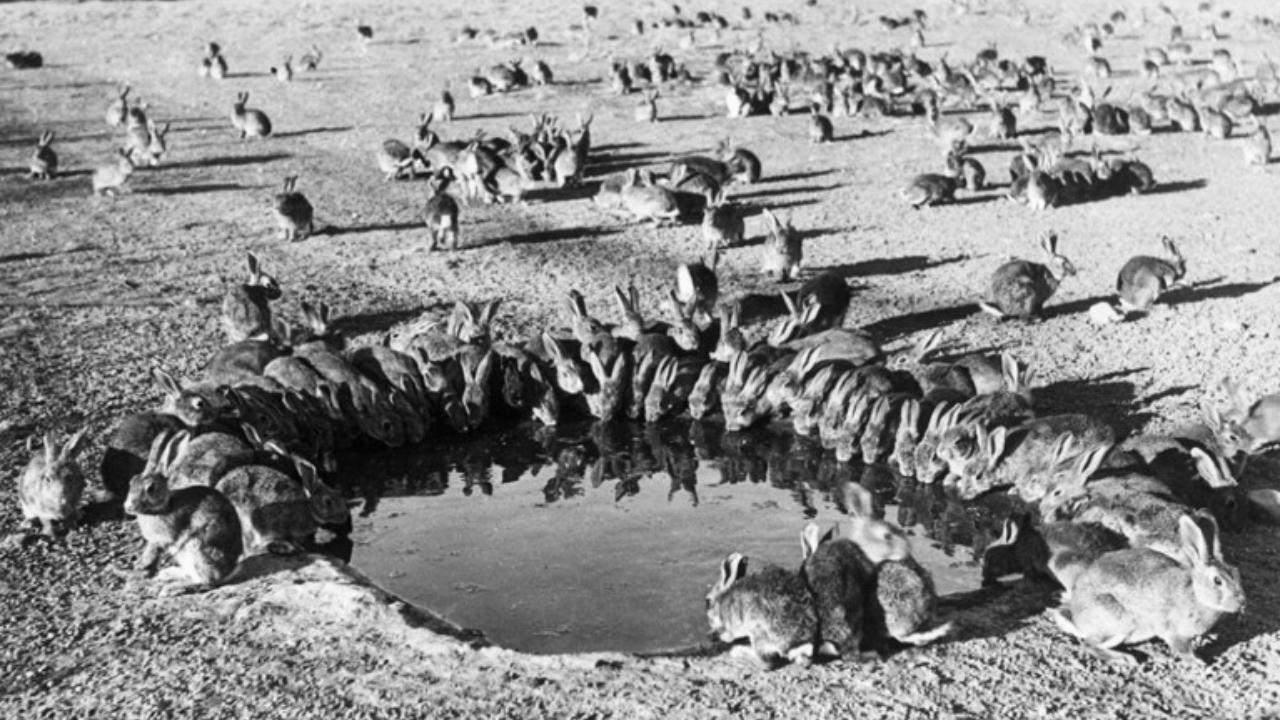
Australia removed island rabbits in 1986; native habitat is returning
Key Points
Six kilometres south of Norfolk Island lies a striking volcanic island with red cliffs, where one of the Pacific's most impressive environmental recoveries is taking place. Phillip Island, part of Norfolk Island National Park, was left almost completely bare after 150 years of grazing by livestock and rabbits. Since a major pest eradication program ended in 1986, native plants and migratory seabird colonies have been steadily returning.
Six kilometres south of Norfolk Island lies a striking volcanic island with red cliffs, where one of the Pacific's most impressive environmental recoveries is taking place.
Phillip Island, part of Norfolk Island National Park, was left almost completely bare after 150 years of grazing by livestock and rabbits. Since a major pest eradication program ended in 1986, native plants and migratory seabird colonies have been steadily returning.
The island's environmental decline began soon after European settlement in the late 18th century, when pigs, goats, and European rabbits were intentionally introduced as a live meat supply for the penal colony on nearby Norfolk Island.
Uncontrolled grazing by these animals destroyed the island's fragile subtropical vegetation. While pigs and goats disappeared or were removed by the early 20th century, millions of rabbits remained, eating young plants and stopping forests from naturally growing back.
Without plant roots holding the fragile volcanic soil together, heavy erosion washed large amounts of topsoil into the sea, leaving much of the island looking like a barren desert.
Targeted eradication campaign removes final pest
Realising that native plants could not recover while grazing continued, Australian conservation authorities began a planned eradication campaign in 1978.
Teams used a mix of myxoma virus strains, targeted 1080 poison baiting, trapping, and shooting across the island's steep volcanic cliffs, which rise 250 metres above sea level.
By March 1986, Phillip Island was officially declared free of breeding rabbit populations, with the last remaining rabbit removed from an isolated cliff shortly afterwards.
"The gradual recovery of vegetation on Phillip Island, following the eradication of feral rabbits in 1986, is a unique example of nature's capacity to restore balance to ecosystems under stress," according to management documents published by Parks Australia and Norfolk Island National Park.
The complete removal of grazing pressure led to an immediate environmental recovery. Seeds buried in the soil for decades began sprouting naturally, revealing plant species that had not been recorded on the island for more than 100 years.
One of the most important discoveries was the rediscovery of the Norfolk Island abutilon (Abutilon julianae), a soft-leaved shrub believed to be extinct for 70 years until a single wild plant was found on a cliff as rabbit numbers declined.
Safe refuge for endangered migratory seabirds
With no feral cats, rodents, or grazing mammals, Phillip Island has become a safe breeding ground for thousands of seabirds each year. Species using the recovering forests and more stable slopes include masked boobies, black-winged petrels, sooty terns, and black noddies. The return of thick ground vegetation provides important shelter, shade, and nesting material for ground-nesting petrels and shearwaters, whose burrows had previously collapsed in the loose, eroded soil.
Research by Monash University and Parks Australia shows the island could become a living refuge for native plants across the wider Norfolk Island Group. At least 12 native plant species disappeared from the region during the worst period of historical land degradation. Restoration teams are growing rare plants in nurseries before reintroducing them into protected gullies, creating stronger habitats that can better cope with climate-related weather extremes.
Ongoing weed control protects recovery
Although natural regeneration has greatly increased plant cover across once-barren areas, park authorities say active conservation work is still essential. Staff at Norfolk Island National Park regularly remove invasive weeds to stop fast-growing plants from overwhelming recovering native species. Phillip Island is listed on the Commonwealth Heritage List because of its importance as both a seabird breeding site and a refuge for rare species once believed to be extinct. To protect fragile nesting areas and vulnerable soils from disturbance, Parks Australia currently limits public access, and there are no commercial tours to the island. Work under the Norfolk Island Group recovery plan continues to focus on weed control, soil stabilisation, and ongoing monitoring of seabird populations.
Geology and volcanic activity
Phillip Island's dramatic landscape was shaped by volcanic activity between 2.3 and 3.2 million years ago. Its towering cliffs expose layers of basalt lava and volcanic tuff, giving scientists a rare cross-section of the island's geological history. Fossil-bearing limestone trapped within the volcanic rock also shows the island existed during the Miocene Epoch, around 20 million years ago. The exposed ridges, rocky platforms and wind-shaped rock formations make Phillip Island one of the most geologically distinctive islands in the South Pacific.
Native reptiles on the island
Phillip Island also plays an important role in protecting species that have disappeared from nearby Norfolk Island. The Lord Howe Island gecko and Lord Howe Island skink survive on Phillip Island because rats and feral cats never became established there. Fossil evidence shows both reptiles once lived on Norfolk Island but were wiped out after rodents arrived centuries ago. Their continued survival on Phillip Island highlights the island's value as a natural refuge for native wildlife that can no longer survive on the larger neighbouring island.