
Weather
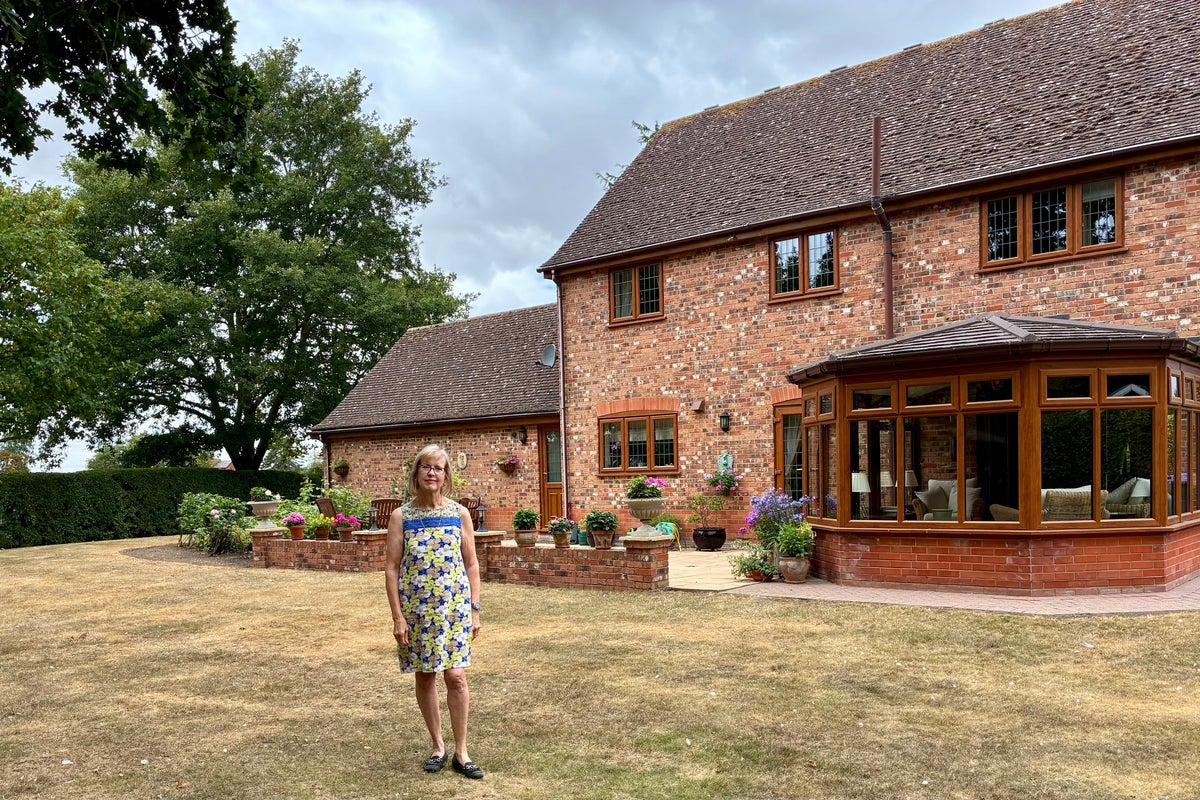
‘Heatwaves have opened up cracks in my £500k dream home — now it’s worthless’
Key Points
‘Heatwaves have opened up cracks in my £500k dream home – now it’s worthless’ As England and Wales saw the hottest spring on record, many homeowners are suddenly finding their homes vulnerable to subsidence – with a soaring number set to be hit - Bookmark - CommentsGo to comments “I spotted a crack in the concrete of our garage floor,” retired mortgage advisor Kaye Brown. “It then led to a frightening ordeal neither I or my husband had envisaged at our wonderful home.” Thirty years after...
‘Heatwaves have opened up cracks in my £500k dream home – now it’s worthless’
As England and Wales saw the hottest spring on record, many homeowners are suddenly finding their homes vulnerable to subsidence – with a soaring number set to be hit
- Bookmark
- CommentsGo to comments
“I spotted a crack in the concrete of our garage floor,” retired mortgage advisor Kaye Brown. “It then led to a frightening ordeal neither I or my husband had envisaged at our wonderful home.”
Thirty years after moving into their new four-bedroom home in Lincolnshire countryside, the couple had never contemplated subsidence.
But during last summer’s heatwaves, after spotting the crack, Mrs Brown noticed other issues – like the garage doors stiffening up and splits in the brickwork including our back utility room.
“We realised we had subsidence,” Mrs Brown said. “And being a former mortagage advisor, I realised it was a blight on the house that was now unsellable. And then there was that deep worry ‘is the whole house going to go?”
Mrs Brown‘s insurance company has stepped in. Checks were done on the foundations and drains, as well as a soil survey. The couple are now waiting on the results of a year-long test on how much the property has moved over the time, before repair works can begin on the £500,000 home.
“It takes years to sort out, and during this time you realise the house is worthless as no-one will buy it,” she said.
The pair are not alone. Hundreds of people claimed for subsidence to their homes between April and June this year, with the Association of British Insurers (ABI) reporting a £72m payout in successful claims. The average payout hit a new record high of £20,000 – up £2,000 from the same period last year.
A huge factor in the problem, experts have told The Independent, is the hot weather brought on by climate change, with the heat drying up clay soil and causing the ground to shift underneath homes. Trees and shrubs can also contribute as they draw water from the ground.
Latest research by the British Geographical Survey (BGS), based on data from the Met Office, projects up to 11 per cent of properties – some 1.8m homes – in Britain will be highly likely of being affected by subsidence by 2070. The worst-hit areas include northern and central boroughs of London, as well as Kent.
Mrs Brown, 62, who has already seen her insurance premium go up by 160 per cent this year, said: “When you think how climate change could impact you, you think floods and rising sea levels – I never thought it’d be subsidence in my home.”
What is subsidence?
Subsidence occurs when the soil sinks or shifts downward. It can affect properties, leading to cracks, tilting and – in worst case scenarios – structural failure.
According to the British Geological Survey, when soils containing clay minerals dry out, they lose water and shrink.
As well as the hot weather leading to shrinkage, subsidence can also be caused by trees, which compete for moisture, drainage and mining.
Measures to fix it include the removal of trees, repairing of drains and repairs to brickwork. In a few cases, “under-pinning” work to strengthen or deepen building foundations is required.
Homeowners should contact their insurance provider as soon as possible if they notice signs of subsidence. Early intervention is often the most effective way to minimise disruption and reduce costs.
She is a member of a Facebook group called UK Subsidence (clay shrinkage and trees), on which other affected homeowners share their ordeals. One person, writing anonymously, found cracks in their home just weeks after buying their property. Another said she was needed to sell-up, but was left trapped in her home by subsidence.
Natalie, in her 50s, told The Independent she discovered cracks in brickwork linking her 22-year-old side extension to her home in Berkshire. After contacting her insurance company five years ago, she was told it was natural thermal movement. But after the cracks worsened, she hired an expert engineer this week who confirmed it was subsidence.
“It’s hard to describe how you feel about cracks appearing and there being no immediate end in sight to fix them,” she said.
Full-time mother Caroline Fieldhouse said subsidence had caused damage to most rooms at her four-bedroom house in Chesterfield, with cracks in the walls as well as movement to her new kitchen flooring.
After carrying out recommended work to stabilise the ground with works to trees around the home, the problem appeared to go away. However, a pruned weeping willow tree has rapidly grown back, severely damaging decking in the garden. She said the insurance company, which is investigating, has only offered to plaster the cracks in her home in relation to damage.
“It’s a worst nightmare – I just feel like we haven’t had much help on it,” she said.
Michael Kent, owner of Cornerstone Foundations UK, which are experts in subsidence, said some insurance companies were exploring ways to bring down the cost in claims, with rises in excess or even striking off cover for subsidence in policies. “Now we’re seeing more and more people facing the issues as the temperatures increase, it’s important people check their policies when buying them,” he said.
Ian Thornhill, general manager at ground engineering specialist Mainmark UK, also warned homeowners not to overlook any signs of subsidence, stating they should be aware of cracks wider than 5mm along with sloping floors. Ignoring the signs, he said, could seriously damage the home.
He said: “We expect subsidence claims to become increasingly common over the coming decades as changing weather patterns place greater stress on the ground beneath buildings.
“Repair costs can range from several thousand pounds to tens of thousands in severe cases. Homeowners should review their insurance policies carefully, as excesses, exclusions and levels of cover can vary considerably between insurers.”
The BGS said the rise in claims would likely lead to increased insurance premiums and even a fall in house prices in affected areas. It is urging homeowners to avoid planting trees too close to properties, and ensure building works take account of climate change.
Impact on railways and roads
It is not just homes that subsidence can affect – roads and railways also vulnerable to movement in the ground due to the hot weather.
In Somerset, rail operator South Western Railway has this month stopped trains calling at Crewkerne after clay embankments between Salisbury and Axminster dried out and shrunk.
The company said soil moisture deficit was a result of the prolonged dry weather and had disturbed the levels of the tracks above, meaning trains could not travel safely at normal speeds. Due to speed restriction, trains are not calling at Crewkerne to maintain the wider rail timetable.
Network Rail, which tracks soil moisture on embankments, has found levels in the south, from Kent to east Devon, are at the lowest since records began in 2009.
Also, the Department of Transport has said 9 per cent of the major road network is in areas that are highly vulnerable to subsidence. Last year, Lincolnshire County Council said drought-related ground movement had caused £1m worth of damage to the region’s roads.
Scientist Anna Harrison said: “Dry weather and high temperatures are a major factor in the emergence of subsidence. Looking ahead, these increases in hotter, drier summers and warmer, wetter winters are projected to continue.”
Chris Bose, director of general insurance policy at the ABI, said responsibility must not just lie with insurers on keeping homes resilient, stating that homeowners should maintain trees and drains near older properties and that builders should create deep foundations for new homes.
Join our commenting forum
Join thought-provoking conversations, follow other Independent readers and see their replies
Comments
Heatwaves (ORG)
England (LOCATION)
Wales (LOCATION)
Kaye Brown (PERSON)
Lincolnshire (LOCATION)
Mrs Brown (PERSON)
Mrs Brown‘s insurance (PERSON)
the Association of British Insurers (ORG)
ABI (ORG)
Independent (ORG)
the British Geographical Survey (ORG)
the Met Office (ORG)
Britain (LOCATION)
London (LOCATION)
Kent (PERSON)