
Health
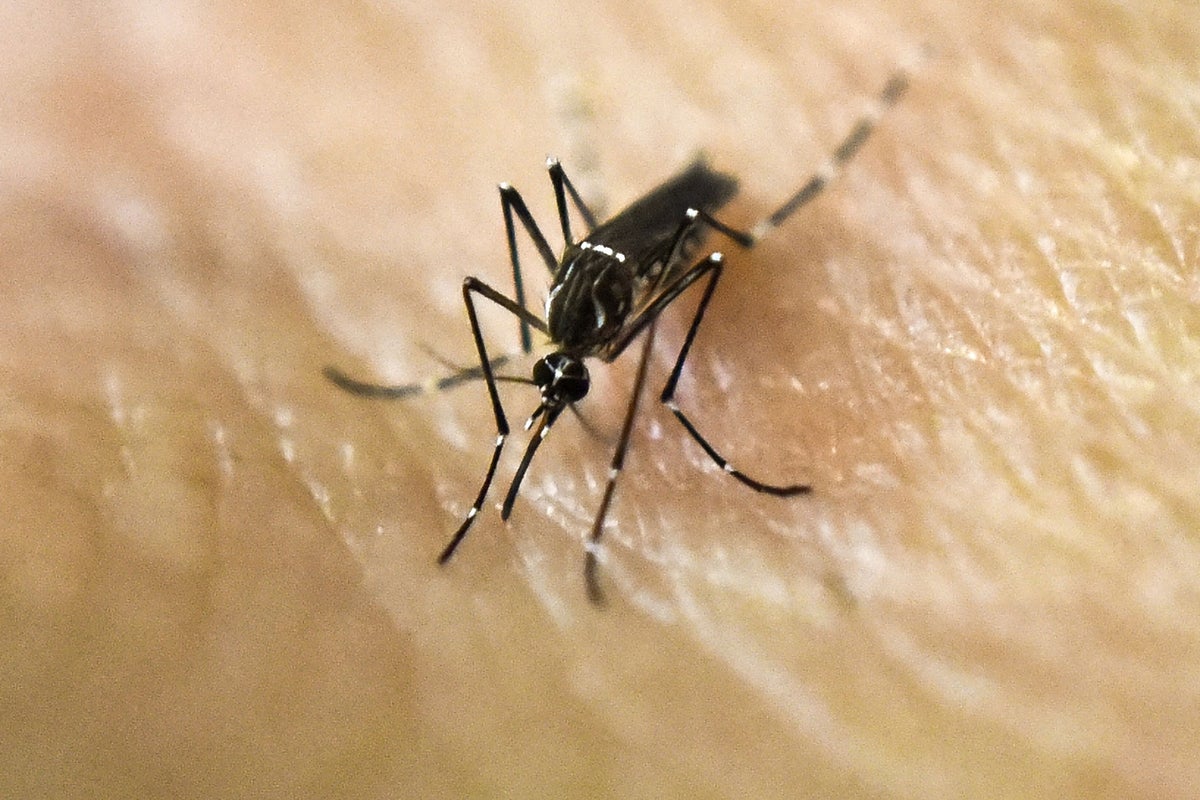
Mosquitoes are spreading dangerous dengue in US states. Here’s where to watch out
Key Points
Mosquitoes are spreading dangerous dengue in US states. Here’s where to watch out Both domestic cases and cases in travelers have been rising since the pandemic - Bookmark - CommentsGo to comments The mosquito-borne dengue virus is spreading across the U.S. this summer, as the insects flourish in southern and eastern states. The viral infection can lead to vomiting, a rash, aches and pains and potentially death if left untreated.
Mosquitoes are spreading dangerous dengue in US states. Here’s where to watch out
Both domestic cases and cases in travelers have been rising since the pandemic
- Bookmark
- CommentsGo to comments
The mosquito-borne dengue virus is spreading across the U.S. this summer, as the insects flourish in southern and eastern states.
The viral infection can lead to vomiting, a rash, aches and pains and potentially death if left untreated. One in 20 people develop severe dengue.
Most cases in the U.S. are reported when people who were bitten return from overseas. But health officials in Virginia and Florida have each reported one case contracted locally in the past week.
There are now 1,455 local and travel-related cases reported, according to federal health data, including in Texas, New York, California, Georgia and Arizona.
Both local cases and cases in travelers have been rising since the pandemic, Centers for Disease Control and Prevention data shows. A study published in May found that the number of dengue cases reported in the U.S. in 2024 was 359 percent higher than the annual average recorded between 2010-2023.
Still, Virginia’s Health Department said that “potential risk for acquiring dengue virus in Virginia remains low.”
“There is no evidence of continued transmission and no additional reports of locally acquired dengue cases at this time,” State Health Commissioner Dr. Cameron Webb said.
The unidentified Virginian who was the state’s first locally-acquired dengue case was known to have been in close proximity to a person who had contracted dengue while traveling.
How dengue spreads
Dengue is most often spread to people from the bite of an infected Aedes aegypti mosquito. These are the same species of mosquitoes that spread Zika and chikungunya viruses.
In rare cases, the virus can be passed through blood transfusions or organ transplants, too, the CDC says, and there is some evidence that dengue can be spread through sexual contact.
For women who are pregnant, infections can spread to their unborn fetuses, as well. That can lead to devastating outcomes.
“Dengue can have harmful effects, including death of the fetus, low birth weight and premature birth,” the CDC explains.
But there are only a handful of deaths in any given year in the U.S. Just six deaths from dengue were reported in the U.S. in 2024, the May study found.
How to treat the virus
Once bitten, it typically takes around two days for symptoms to start, and they may last for between two days to up to a week.
In that time, most people will recover by themselves with rest, acetaminophen and fluids. There is no specific medicine to treat dengue but severe cases are treated in hospitals with IV fluids.
There is also a vaccine that’s only recommended for use in children aged 9-16 with laboratory confirmation of a previous dengue infection. The vaccine is called Dengvaxia and includes three doses taken six months apart.
With insurance, the vaccine comes at no cost, but out-of-pocket prices are still under $100, according to prescription pricing company GoodRX.
Unfortunately, people can be infected more than once, according to Dr. Anna Durbin, director of the Johns Hopkins Center for Immunization Research.
How to stay safe
Why is the U.S. seeing more cases? Spread of the virus has been fueled by warming temperatures linked to climate change, experts say.
“Vector presence and distribution might be further affected by increasing temperatures, which can expand the range of mosquitoes that spread dengue, enhance vector survival and change the reproduction and biting rates,” the 2024 study authors wrote.
People can protect themselves from dengue like they do from other mosquito-borne viruses.
That means using mosquito repellents and wearing long sleeves and pants that will protect your skin from the blood-suckers.
Join our commenting forum
Join thought-provoking conversations, follow other Independent readers and see their replies
Comments
US (LOCATION)
U.S. (LOCATION)
Virginia (LOCATION)
Florida (LOCATION)
Texas (LOCATION)
New York (LOCATION)
California (LOCATION)
Georgia (LOCATION)
Arizona (LOCATION)
Centers for Disease Control and Prevention (ORG)
Health Department (ORG)
Cameron Webb (PERSON)
Virginian (LOCATION)
Zika (LOCATION)
CDC (ORG)