
Environment
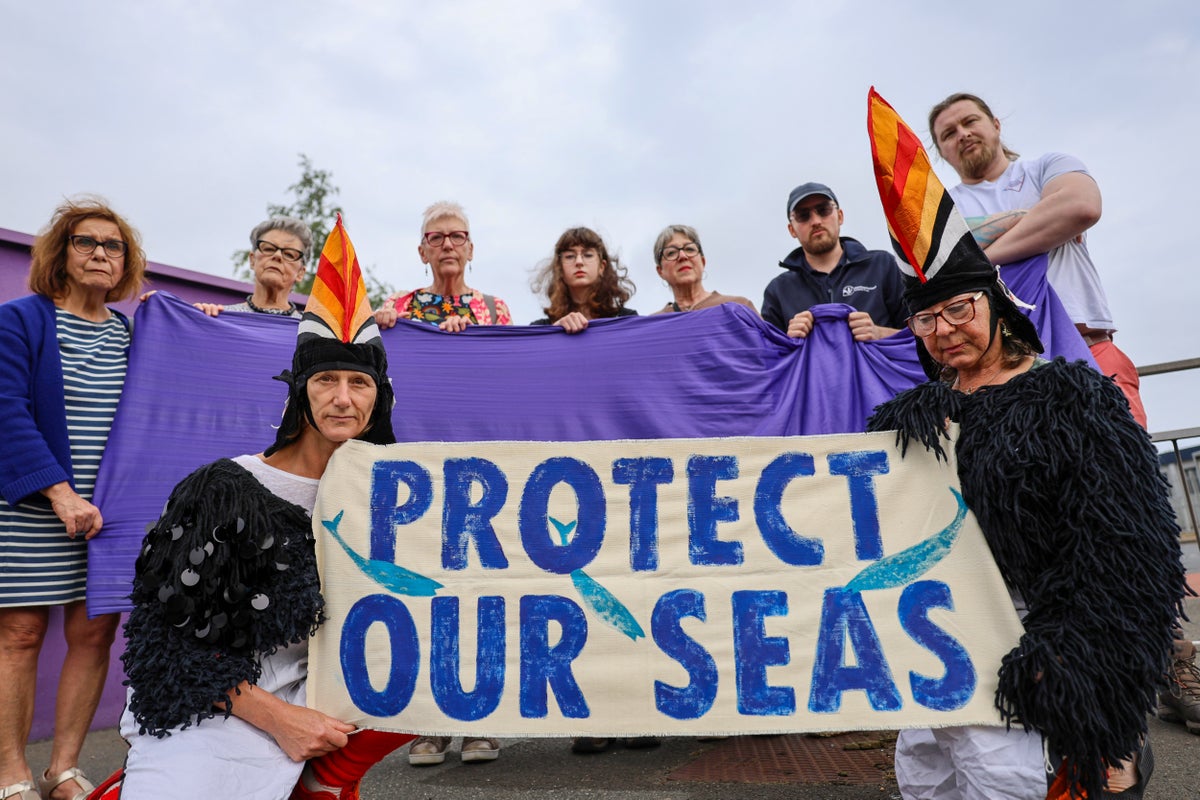
Volunteers angry at being kept away from clean-up of huge spill of plastic nurdles into sea
Key Points
Volunteers angry at being kept away from clean-up of huge spill of plastic nurdles into sea Fish already found with pieces inside them after disaster close to vital seabird colony as activists say every hour lost matters - Bookmark - CommentsGo to comments Volunteers are furious that authorities delayed them from joining a clean-up operation of tonnes of plastic pellets that had spilled into the sea. Campaigners say the estimated 1 billion nurdles, which poured out of containers from a ship...
Volunteers angry at being kept away from clean-up of huge spill of plastic nurdles into sea
Fish already found with pieces inside them after disaster close to vital seabird colony as activists say every hour lost matters
- Bookmark
- CommentsGo to comments
Volunteers are furious that authorities delayed them from joining a clean-up operation of tonnes of plastic pellets that had spilled into the sea.
Campaigners say the estimated 1 billion nurdles, which poured out of containers from a ship at the Port of Tyne, are fatal to seabirds and marine animals, and are spreading dangerously along the coastline.
The Tyne Rivers Trust says fish have already been caught with nurdles inside them, and is warning the plastic could harm river wildlife for years to come.
The spill occurred less than three miles from Marsden Bay, home to one of England’s most important seabird colonies.
The accident happened on 19 July when the ship Wind Orca, leaving dock, hit another vessel, the BG Orange, which was berthed, damaging three containers with pellets in.
After a huge clean-up operation began, estimates put the amount of nurdles left in the sea at 17 tonnes.
Nurdles, which are usually less than 5mm long, are used to manufacture everyday plastic products.
In water, they are carried by tides, currents and winds, and may travel long distances or become trapped in wildlife habitats, making them difficult to recover.
Fish, birds and other wildlife may mistake them for food, causing malnutrition and starvation, because they look like fish eggs. Experts say the effects ripple through the food chain and may ultimately harm people.
Residents and activists are angry that immediately after the spillage, local authorities told volunteers not to collect the nurdles.
“This created uncertainty for communities keen to help and limited the ability of organisations to actively encourage volunteer clean-ups,” Surfers Against Sewage said.
“Every hour that passes significantly decreases the chances of the disaster being contained.”
Specialist contractors have been cleaning up, but groups representing 2,500 residents and campaigners wrote to Port of Tyne chief executive Matt Beeton, criticising the “delayed and inadequate” response. It was also signed by the National Trust, two regional mayors and Northumberland Wildlife Trust.
“The contractors you brought in are not enough. You must allow qualified, trained waterfolk onto the River Tyne and allow a coordinated, high-capacity waterfront recovery force into the River Tyne immediately before these microplastics disperse further up and down the coast and into the marine environment,” the letter said.
Surfers Against Sewage also claimed the spill was not formally declared a major incident and there was no comprehensive government-led response.
Some councils later amended their guidance to allow volunteer collection of nurdles in certain locations, they said.
“In the absence of a formal emergency declaration, local people have stepped up,” SAS said, and hundreds of volunteers joined clean-up efforts.
Nurdles break down into microplastics, which pollute the environment for years.
Rowan Stanforth, of environmental charity Fidra, said: “It’s devastating to see another plastic pellet spill, just over a year since the last one in the North Sea.
“In a nurdle spill like this time is of the essence.
“We are now seeing evidence of seabirds eating the pellets.”
He said nurdles can pick up pathogens such as E.coli but spills can be prevented with better packaging and safer stowage, and he called for stronger regulation.
It’s understood councils advised people not to handle nurdles so that the volume recovered could be measured to estimate how much remained in the water.
The Environment Agency, which has launched an investigation, said it did not advise against collecting the nurdles, saying all guidance came from local authorities.
A government spokesperson said: “The North East’s spectacular coastline is one of the nation's greatest assets. People are right to be angry and to demand answers.
“The Environment Agency has been on this from the start, supporting partners, and is now stepping up its work on the ground. The environment secretary has spoken with the mayor to discuss the response and next steps.”
Gary Kirsop, head of community operations at South Tyneside Council, which is leading the clean-up, said the authority had been “working tirelessly alongside partners” since the nurdles began washing up.
"From the outset, council teams have responded swiftly, monitoring affected areas, carrying out clean-up operations around tidal conditions, supporting environmental assessments and providing information and guidance to residents,” he said.
“Staff from a range of services have gone above and beyond in challenging conditions to help protect our coastline and minimise environmental impacts.”
He said significant progress had been made but it would be a long-term operation.
A council spokesperson said: “A major incident was declared through established protocols, including emergency services and local authorities in the affected area, and partner organisations immediately activated a coordinated multi-agency response.”
The Port of Tyne said it had acted quickly after the spill to contain the damage.
Port chiefs said that less than 24 hours after discovering the spillage, they contacted a specialist emergency response company and a containment boom was in place three days after the spill.
Join our commenting forum
Join thought-provoking conversations, follow other Independent readers and see their replies
Comments
[Image text:] PROTECT
OUR`SEAS