
Weather
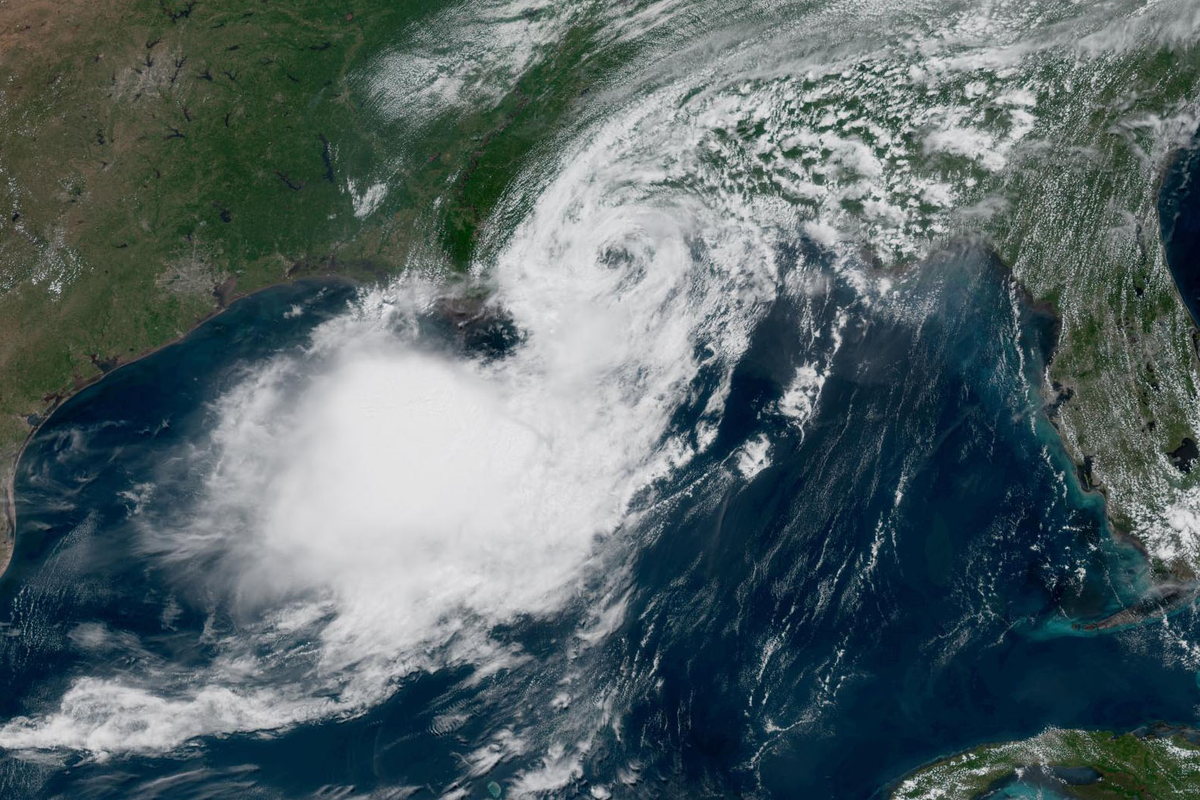
NOAA’s new hurricane forecast predicts a quiet season in the Atlantic. The Pacific won’t be as lucky
Key Points
NOAA’s new hurricane forecast predicts a quiet season in the Atlantic. The Pacific won’t be as lucky This year’s El Niño weather pattern is to blame, according to scientists - Bookmark - CommentsGo to comments The remaining months of the Atlantic hurricane season could be relatively quiet, a new federal prediction shows - but not everywhere is as lucky. There are between 2 and 6 hurricanes, 0 and 2 major hurricanes, and 7 to 13 named storms expected in the Atlantic for the rest of the year,...
NOAA’s new hurricane forecast predicts a quiet season in the Atlantic. The Pacific won’t be as lucky
This year’s El Niño weather pattern is to blame, according to scientists
- Bookmark
- CommentsGo to comments
The remaining months of the Atlantic hurricane season could be relatively quiet, a new federal prediction shows - but not everywhere is as lucky.
There are between 2 and 6 hurricanes, 0 and 2 major hurricanes, and 7 to 13 named storms expected in the Atlantic for the rest of the year, the National Oceanic and Atmospheric Administration said on Thursday.
That’s a slight reduction from an initial forecast issued in May and lower than the average season, though it only takes one major storm to threaten lives.
Precipitation below average along the eastern and southern shores is tied to an El Niño Climate pattern, NOAA said.
This pattern is also what’s responsible for an above-average hurricane year in the Pacific season, which sees storms hit Hawaii and along the West Coast.
Plus, this year’s El Niño is particularly strong - it’s being called a “super” or “Godzilla” El Niño, boosted by excess heat stored in Earth’s oceans.
Hurricanes need warm ocean temperatures to form, and record temperatures in the Atlantic have supercharged some of the biggest hurricanes in recent years.
“When El Niño emerges, it usually becomes the dominant factor in total hurricane season activity, and this El Niño continues to get stronger every month,” Matt Rosencrans, lead hurricane season forecaster with NOAA’s National Weather Service, explained in a statement.
Other mechanisms that determine the number and intensity of tropical storms in the Atlantic play a smaller role, he noted.
That’s why the outlook for the Eastern Pacific hurricane season is unchanged, with 15-22 named storms and the Central Pacific basin could see between 5-13 named storms.
So far, there have been seven named storms in the Eastern Pacific, including two that became hurricanes named Fausto and Genevieve.
Genevieve was a Category 5 storm: the largest and strongest on the scale NOAA uses to estimate potential damage. It brought high surf and flooding to California beaches in late July.
The Atlantic has seen two storms - Arthur and Bertha - and no hurricanes.
But there’s still plenty of time until the end of the hurricane season on November 30.
Until then, people should remain vigilant.
“People often use the last storm they experienced to dictate how they behave,” Jamie Rhome, the deputy director of the National Hurricane Center, told The New York Times. “Every storm is different.”
Join our commenting forum
Join thought-provoking conversations, follow other Independent readers and see their replies
Comments
NOAA (ORG)
Atlantic (LOCATION)
Pacific (LOCATION)
El Niño (PERSON)
the National Oceanic and Atmospheric Administration (ORG)
El Niño Climate (ORG)
Hawaii (LOCATION)
the West Coast (LOCATION)
Earth (LOCATION)
Matt Rosencrans (PERSON)
National Weather Service (ORG)
the Eastern Pacific (LOCATION)
the Central Pacific (LOCATION)
Fausto (PERSON)
Genevieve (PERSON)