
UK News
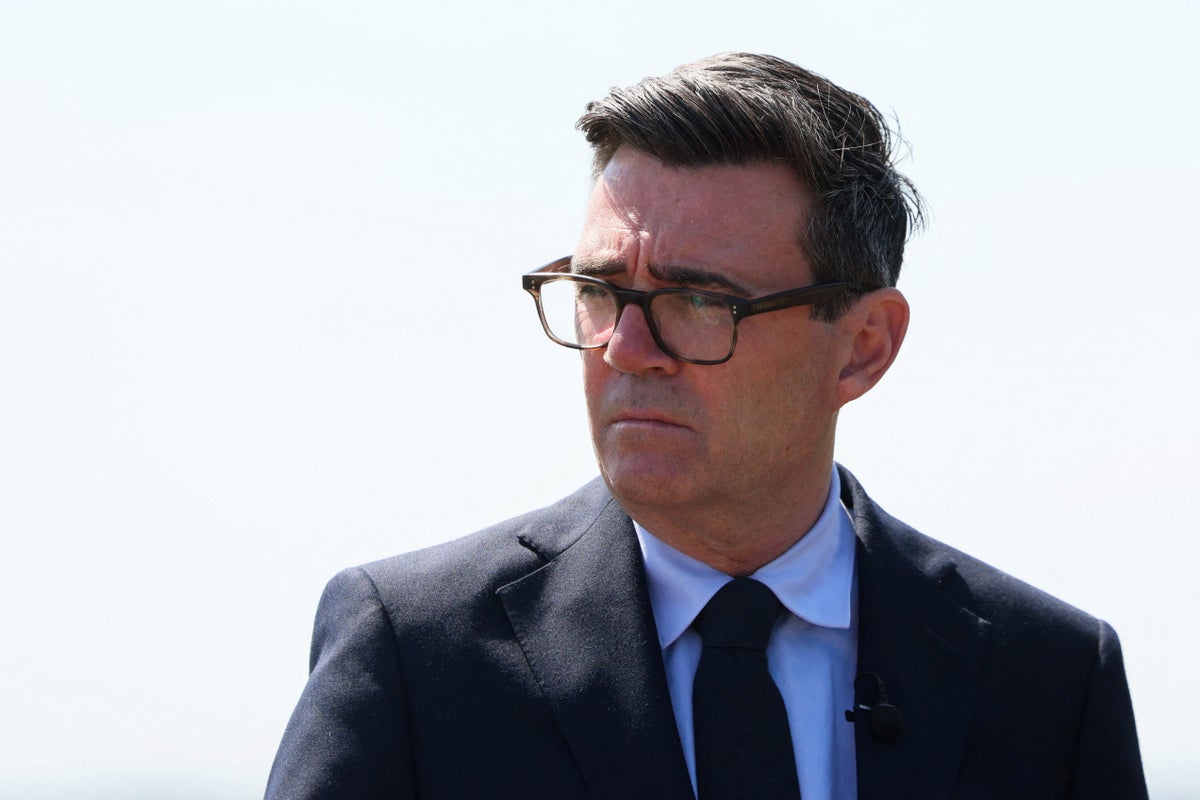
Burnham ‘handed post-Brexit plan that could see Britain rejoin EU single market’
Key Points
Burnham ‘handed post-Brexit plan that could see Britain rejoin EU single market’ The proposal would reportedly see Britain promise to extend the protection of Britain’s Armed Forces and nuclear deterrent across Europe, in exchange for access to the EU’s free-trade zone - Bookmark - CommentsGo to comments Andy Burnham has reportedly been presented with a new post-Brexit proposal which calls for Britain to rejoin the EU’s single market. The proposal would see Britain promise to extend the...
Burnham ‘handed post-Brexit plan that could see Britain rejoin EU single market’
The proposal would reportedly see Britain promise to extend the protection of Britain’s Armed Forces and nuclear deterrent across Europe, in exchange for access to the EU’s free-trade zone
- Bookmark
- CommentsGo to comments
Andy Burnham has reportedly been presented with a new post-Brexit proposal which calls for Britain to rejoin the EU’s single market.
The proposal would see Britain promise to extend the protection of Britain’s Armed Forces and nuclear deterrent across Europe, in exchange for access to the EU’s free-trade zone.
The prime minister has promised to “consolidate the progress made on the existing UK-EU negotiations” undertaken by Sir Keir Starmer – but it is not yet known whether he will stick to his predecessor’s red lines, which included no return to freedom of movement and no return to the single market or customs union.
According to The Telegraph, former Tory MP Nick Boles, who quit the party in 2019 over Brexit and went on to help Sir Keir prepare for government, has drawn up a plan which would allow Britain to rejoin the single market.
The proposal, which has reportedly been seen by top government officials, including national security adviser Jonathan Powell, is said to include the suggestion that Britain should push for the creation of a “European Confederation”, which would link the single market with Nato’s defence commitments.
Ukraine, Switzerland, Norway and the Western Balkan countries would also be among those invited to join the confederation.
Britain’s obligations as part of the agreement would include spending 3.5 per cent of GDP on defence, and extending its nuclear umbrella across the non-Nato allies which Trident does not currently cover.
In exchange, the UK would be allowed to join the EU’s free trade zone without having to accept controversial terms, such as freedom of movement or having to join the Euro.
Speaking to The Telegraph, Mr Boles insisted a new strategy for defence cooperation with Europe is needed because there is no longer any guarantee Donald Trump will "defend Europe as if it were Kansas”.
“If we’re trying to do a bilateral negotiation in which we try to persuade the EU to have us have access to the single market for goods, we will fail,” he said.
“But if we make a proposal that solves other problems they have, like Ukraine… that’s the possibility where the selling might be easier. We can explain this isn’t just a selfish British deal, it’s a deal you can use to solve other problems yourselves.”
It comes just weeks after a government minister failed to rule out putting a promise to rejoin the EU in Labour’s next manifesto, suggesting that Mr Burnham could attempt to unpick Brexit in the next parliament.
Minister for European relations Hamish Falconer insisted that the government is “not talking about rejoining today”, but added: “What we do in our next manifesto will be a question for the Labour Party.”
The prime minister has previously said he is in favour of the UK rejoining the EU, but later clarified that he will not try to rejoin, arguing that the country would be stuck in a “permanent rut if we’re just constantly arguing”.
Asked last month how the new PM will approach Britain’s relationship with the EU, following a “reset” of relations undertaken by Sir Keir, Mr Falconer told Sky News: “The previous prime minister did really important work to help reset relations, and I want to consolidate some of that work. But we also need to see how we can go further.
“Even since when we started those talks, the world has changed quite dramatically. The threats have changed quite dramatically – both talking about some of the threats in Eastern Europe, but clearly there are economic security threats, disinformation threats too.”
Asked whether he agrees with calls from former Labour leader Neil Kinnock, who called for Britain to rejoin the EU in a recent interview with The Independent, Mr Falconer said: “Look, the questions for the next manifesto are not yet sorted, but I think it’s been absolutely clear from what the prime minister has said, and I share his views on this – we had this vote 10 years ago. It was the will of the country. It was the will of my own constituency as well. We’re not backsliding from that.
“The world has changed since 2016. We need to make sure that our relationship with Europe changes too. Europe and the UK both face real challenges.”
Asked whether he could rule out reopening the issue of Brexit, he said: “We’re not talking about rejoining today. What we do in our next manifesto will also be a question for the Labour Party.”
Downing Street has been contacted for comment.
Join our commenting forum
Join thought-provoking conversations, follow other Independent readers and see their replies
Comments