
World News
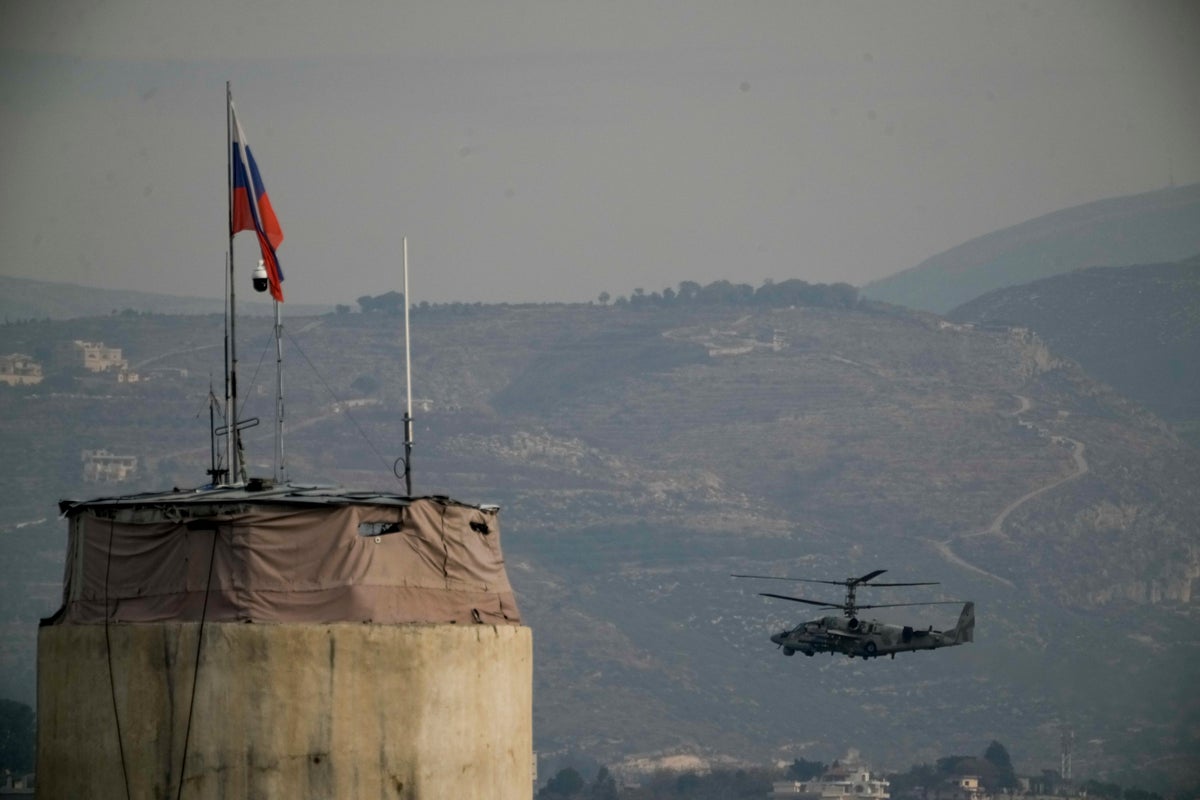
Russia to hand over control of two key Mediterranean bases to Syria
Key Points
Russia to hand over control of two key Mediterranean bases to Syria Hmeimem air base and Tartus naval base will serve as joint Syrian-Russian training centres under new bilateral deal - Bookmark - CommentsGo to comments Russian forces will relinquish control of two strategically vital Mediterranean coastal bases, Syria's foreign ministry says, and they will be transformed into joint training centres under a new bilateral agreement. The development signals a significant recalibration of...
Russia to hand over control of two key Mediterranean bases to Syria
Hmeimem air base and Tartus naval base will serve as joint Syrian-Russian training centres under new bilateral deal
- Bookmark
- CommentsGo to comments
Russian forces will relinquish control of two strategically vital Mediterranean coastal bases, Syria's foreign ministry says, and they will be transformed into joint training centres under a new bilateral agreement.
The development signals a significant recalibration of Moscow's military footprint in the region.
The Hmeimem air base and the Tartus naval base served as crucial Russian military outposts in the eastern Mediterranean throughout Syria's civil war.
Russia was the primary political and military ally of former president Bashar al-Assad, who was ousted in December 2024 by Isis-affiliated insurgents led by now-leader Ahmad al-Sharaa, known by the nom de guerre Abu Mohammed al-Jolani, and subsequently sought exile in Russia.
Under the terms of the new accord between Damascus and Moscow, Syria will assume control of the Hmeimem base and the commercial berth at Tartus port, integrating them into its civil administration.
The military facilities at both locations will transition into "joint training" centres, according to Syria’s foreign ministry.
The ministry characterised the new arrangements as a “reorganising of the Russian presence” along Syria's coastline. A statement from the ministry underscored the gravity of the shift, declaring: "This move marks the most significant development since negotiations began approximately a year and a half ago, paving the way for a new phase in Syrian-Russian relations."
Moscow is yet to issue an immediate comment on the agreement.
Despite its long-standing support for Mr Assad, Russia did not intervene during the swift insurgency that led to his overthrow, though it did grant asylum to the former Syrian leader and his family.
Following Mr Assad's departure, most Russian troops gradually withdrew from Syria, with the exception of those stationed at these key bases.
Syria's new leadership has sought to maintain robust bilateral ties with Moscow. Mr Sharaa has visited president Vladimir Putin in Moscow twice since assuming power, with the future of the Russian bases reportedly a central topic of discussion.
Concurrently, since Mr Assad's ouster, Syria has moved to strengthen its relationships with the US, Europe, and neighbouring Arab countries. Many of these countries had severed ties with Damascus during Mr Assad's rule. Washington has since lifted the majority of its stringent sanctions on Syria, and French president Emmanuel Macron visited the country in July and announced the appointment of respective ambassadors for the first time in 14 years.
Join our commenting forum
Join thought-provoking conversations, follow other Independent readers and see their replies
Comments