
Weather
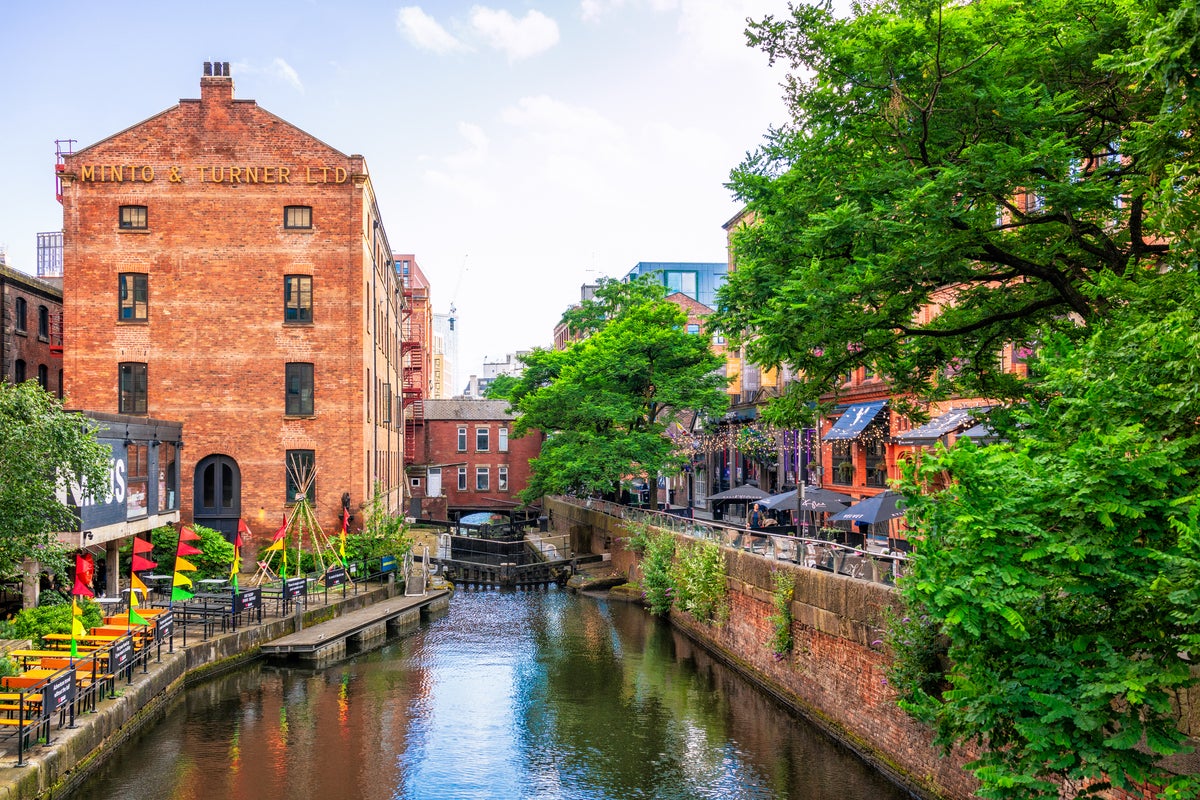
Canals can help cool your neighbourhood during heatwaves, study finds
Key Points
Canals can help cool your neighbourhood during heatwaves, study finds While canals are found widely throughout UK and Irish cities, reflecting the legacy of the Industrial Revolution, their role in combating urban heating had been largely unknown - Bookmark - CommentsGo to comments Canals in Great Britain and Ireland cool city neighbourhoods up to 50 metres from their banks, particularly during heatwaves. That’s the key finding of our new research which modelled the impact of canals on urban...
Canals can help cool your neighbourhood during heatwaves, study finds
While canals are found widely throughout UK and Irish cities, reflecting the legacy of the Industrial Revolution, their role in combating urban heating had been largely unknown
- Bookmark
- CommentsGo to comments
Canals in Great Britain and Ireland cool city neighbourhoods up to 50 metres from their banks, particularly during heatwaves. That’s the key finding of our new research which modelled the impact of canals on urban temperatures – quantifying their importance for the millions of people who live and work nearby.
While canals are found widely throughout UK and Irish cities, reflecting the legacy of the Industrial Revolution, their role in combating urban heating had been largely unknown.
Our team found that canals cool their immediate surroundings during the day, typically extending 20–50 metres from canal banks. This cooling effect is greater during spring and early summer (approximately −1.2°C to −1.4°C), and is particularly pronounced during heatwaves, with cooling of more than 2°C.
Canals also warm their surroundings at night, but this effect is much smaller (approximately +0.2°C).
Health and economic benefits
To study whether canals cool or warm their surroundings, we developed a model simulating changing water temperatures over a year and how this interacts with the air around it, using key features of the canal and environment (such as weather and shading by buildings). We studied 68 canals for this research.
This allowed us to look at all the urban canals of Great Britain and Ireland for an entire year, and how effects varied day to day and across the seasons. Our analysis focused on 2022, which until recently was the warmest year on record, and still features the UK’s highest ever recorded temperature of 40.3°C.
Even small reductions in temperature can benefit people’s health and wellbeing, particularly for vulnerable groups. Canal cooling also provides economic savings – estimated by the Canal and River Trust at £14.4 million per year – due to reduced losses in labour productivity, for example.
Other potential benefits include reductions in carbon dioxide emissions due to walking or cycling to work (active travel), and reduced demand for air conditioning.
Natural spaces in cities provide important ecosystem services, including improved biodiversity and flood protection – worth an estimated £17.6 billion to the UK economy each year. Being able to see and access canals is also important for physical and mental health.
Why canals matter
Around 6.2 million people live within 1km (roughly a 15-minute walk) of urban canals. Many more walk along canals on the way to work or go for a stroll at the weekend. In all, 791 million visits to UK canals were made between April 2024 and March 2025.
Direct benefits of lower temperatures during periods of hot weather include improved thermal comfort, with canal cooling reducing the number of hours of “moderate” and “high” risk – although this is partly offset by higher humidity.
Extreme heat is deadly. The May and June 2026 heatwaves, which included the UK’s highest recorded June temperature of 37.7°C, have been linked to more than 2,700 excess deaths in England and Wales.
Heatwaves in Great Britain and Ireland are particularly dangerous, as most of our homes and infrastructure have been built for a climate that has changed. Around 92% of existing homes would overheat under a 2°C global warming level by 2050. Adapting to new extremes in heat will require monitoring, social change and improved urban design.
Parks, woodlands, lakes and rivers are often included in government strategies on how to adapt to rising temperatures.
However, while green areas can lower urban temperatures (approximately −1°C during the day), the effects of “blue spaces” such as rivers and canals are much less certain. Differences in the characteristics of waterways (such as size and depth) and those of the surrounding environment (including weather and nearby buildings) can significantly impact this cooling effect.
Our findings emphasise the important role that canals play in making cooler and more liveable cities.
Join our commenting forum
Join thought-provoking conversations, follow other Independent readers and see their replies
Comments
[Image text:] MINTO &TURNERLTD