
Weather
Heavy rain brings flood threat as ‘shock’ temperature drop set to hit UK
Key Points
Heavy rain brings flood threat as ‘shock’ temperature drop set to hit UK The ‘first meaningful rain for a long time’ in parts of the UK could result in surface flooding - Bookmark - CommentsGo to comments Flooding could hit parts of the country this week as heavy rain is forecast to hit drought-stricken land, but temperatures could take a “shock” drop later in the week. According to the Met Office, certain areas will see the “first meaningful rain for a long time” following weeks of...
Heavy rain brings flood threat as ‘shock’ temperature drop set to hit UK
The ‘first meaningful rain for a long time’ in parts of the UK could result in surface flooding
- Bookmark
- CommentsGo to comments
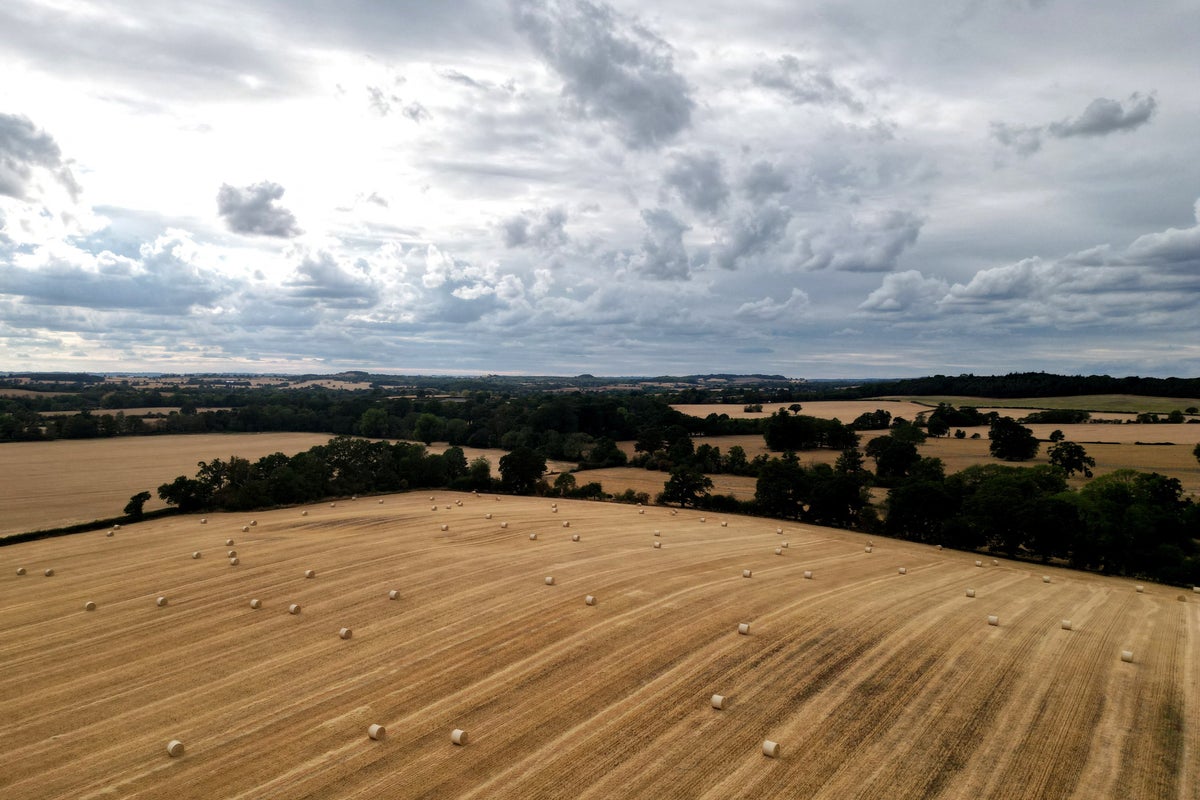
Flooding could hit parts of the country this week as heavy rain is forecast to hit drought-stricken land, but temperatures could take a “shock” drop later in the week.
According to the Met Office, certain areas will see the “first meaningful rain for a long time” following weeks of heatwaves and dry weather, which has left many parts of the country facing water shortages and have seen several restrictions introduced.
The Met Office said that a rainy front will begin to sweep down from Northern Ireland and Scotland towards the south of England and Wales on Monday, kicking off a wetter week with cooler conditions that are much closer to average for the time of year.
Meanwhile, heavy showers are expected to hit the UK on Thursday, missing some areas but bringing the chance of surface flooding in places where rainfall is particularly intense, it added.
Additionally, the BBC reports that temperatures will fall below average across the country in the coming days.
It says that places could see the mercury fall to single figures, while sheltered valleys in the Brecon Beacons could see lows of 3 or 4C on Friday morning, with lows of 5 or 6C iin parts of the Cotswolds.
The BBC forecast adds: “This drop in temperature might come as a bit of a shock for some after being accustomed to the hotter-than-average weather we've seen for weeks.”
Mapped: Hosepipe bans in England
The change comes after the UK’s fifth heatwave of the summer, which saw the hottest day of the year recorded in Kew Gardens, London, on Thursday when temperatures reached 38.1C.
The forecast rain may bring some welcome relief to parched land and fire-fighters tackling wildfires.
But it is unlikely to bring an end to widespread drought conditions that have put severe pressure on wildlife, farmers, transport, emergency services infrastructure and water resources.
Liz Stephens, professor in climate risks and resilience at the University of Reading, said the south-east of England will take many weeks of sustained rainfall for vegetation to recover and rivers and reservoirs to return to normal.
She said: “Here in the South East, we’re still a month’s worth of rain below what we would normally expect by this point in the year, despite the heavy rainfall in January and February.
“As a result, while any rain which falls this week may help reduce the immediate wildfire risk, it will take many weeks of sustained rainfall for vegetation to recover and our rivers and reservoirs to return to normal.
“This means that we should expect hosepipe bans to be in place for some time.
“Floods can still occur during drought conditions and surface water flooding can even become more likely as baked soils are unable to soak up rainwater as quickly.”
More than 27m people across England have now had hosepipe use restricted in their area.
Wessex Water on Monday became the latest utility to announce a hosepipe ban, citing increased demand during the dry weather but also longer-term weather forecasts that mean resources must be protected for customers and the environment.
It is the first time it has put restrictions in place in 50 years – since the summer of 1976.
The firm said the temporary use ban would come into effect on Tuesday for all 1.4 million customers that it supplies with water across areas in Bath, Somerset, Dorset and Wiltshire.
Mike Silverstone, the Met Office’s deputy chief forecaster, said: “Many areas in England and Wales are desperate for rain, this week some of these areas will see the first meaningful rain for a long time.”
Through Tuesday showers are expected to continue in the north of the country, particularly in the North West, and another area of rain will move into the South West by the evening.
This will then likely spread east across the South, bringing the first spell of widespread rain to areas in need the most, he added.
“Thursday will be a day of heavy showers across much of the UK, while some of these will be heavy, some areas will miss them altogether,” Mr Silverstone said.
“As some of these showers could be intense, there is a chance of some surface water flooding as the rain falls on very dry and hard ground.”
By Friday, the conditions are expected to turn drier once again through the weekend, and next week is forecast to have more rain.
About the firm’s ban, Ruth Jefferson, Wessex Water’s chief executive, said the company was contacting larger business customers who are high water users to encourage them to avoid non-essential use and encouraging households to make small and simple changes such as taking shorter showers and letting the lawn go brown.
“After 50 years without a hosepipe ban in the Wessex Water region, the first since the famous drought of 1976, this isn’t a decision we’ve made lightly and we’re sorry for the inconvenience it will cause,” she said.
“But the prolonged and extreme dry weather has meant demand across our region has consistently remained at more than 400 million litres per day, 30 per cent above average for this time of year and the equivalent of almost half a million hosepipes running for a full hour every day.”
Elsewhere, wildfires have ravaged parts of the UK, including in the West Midlands, where a blaze in Stourbridge destroyed 19 homes.
Several fire services have asked people to only call 999 to report a genuine emergency.
In an update on Monday, the National Fire Chiefs Council said 1,132 wildfires have now been recorded across England and Wales in 2026 so far – a record high for the amount between January and this time of year.
Join our commenting forum
Join thought-provoking conversations, follow other Independent readers and see their replies
Comments