
Business & Finance
Trump announces pause on 50% tariffs for Canada after reaching ‘a DEAL’
Key Points
Trump announces pause on 50% tariffs for Canada after reaching ‘a DEAL’ The 50 per cent tariffs were due to go into effect overnight - Bookmark - CommentsGo to comments President Donald Trump has announced a three-day pause on new 50 per cent tariffs on Canadian goods. The tariffs were set to go into effect overnight Tuesday.
Trump announces pause on 50% tariffs for Canada after reaching ‘a DEAL’
The 50 per cent tariffs were due to go into effect overnight
- Bookmark
- CommentsGo to comments
President Donald Trump has announced a three-day pause on new 50 per cent tariffs on Canadian goods.
The tariffs were set to go into effect overnight Tuesday.
An hour after Trump said that the U.S. and Canada had reached a deal, Canadian Prime Minister Mark Carney said that "substantial progress has been made, although there is important work still to be done."
In a post on Truth Social, Trump explained that he paused the tariffs "based on the fact that Canada and the U.S.A., subject to the finalization of documents, have a DEAL."
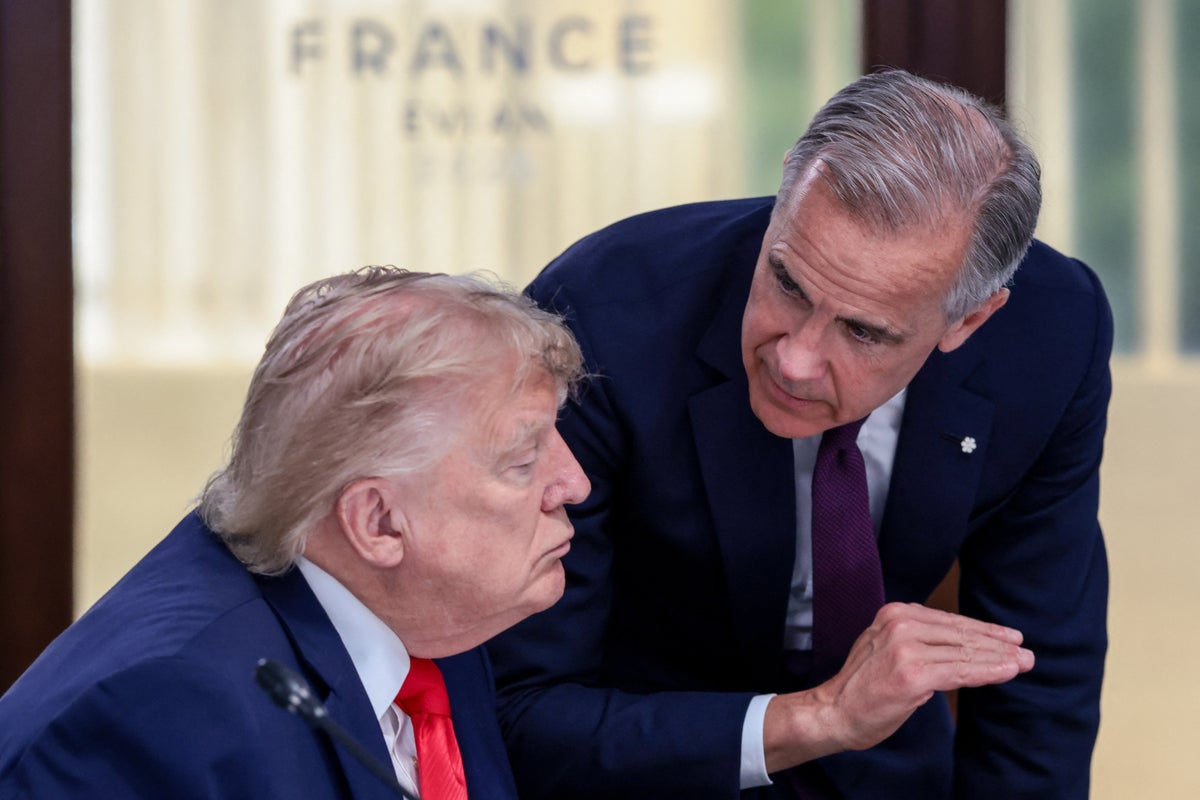
Trump and Carney spoke on Tuesday afternoon, their second conversation this week, whilst negotiators have been engaged in weeks of intense and opaque discussions.
"While we continue this work, Canada remains focused on building a stronger, more independent and more competitive economy at home," Carney said.
The office of U.S. Trade Representative Jamieson Greer said the deal will include "comprehensive market access for all American goods, economic security commitments, digital trade alignment," amongst other provisions.
In a proclamation posted on the White House website, Trump said that Canada committed to addressing U.S. concerns regarding duties on dairy products, alcoholic beverages and motor vehicles.
U.S. officials provided no additional details, and the Canadian government did not confirm the contents of any agreement.
Existing U.S. auto tariffs had been a sticking point, two industry sources familiar with the talks said earlier.
The new U.S. tariffs would have covered about $20 billion worth of imports and applied regardless of whether Canadian goods qualify for preferential treatment under the U.S.-Mexico-Canada trade agreement, which has shielded much of Canadian industry from earlier U.S. tariffs.
Trump added in his social media post that the Keystone XL pipeline – a project canceled by former President Joe Biden in 2021 after years of indigenous and environmental opposition – "may be awoken from the grave," but did not provide details.
Trump has made tariffs a central pillar of his foreign and trade policies despite legal setbacks and criticism from some analysts.
Tariffs could have led to Canadian job losses
Trade experts and industry officials said earlier that the new tariffs could lead to job losses and business closures in vulnerable sectors in Canada, including lumber, wine and dairy. They also warned the dispute could complicate broader USMCA negotiations.
Canada's minister responsible for U.S. trade, Dominic LeBlanc, and chief trade negotiator Janice Charette have been in Washington since last week for talks.
On Monday, the Canadian officials met for nearly two hours with Greer and Commerce Secretary Howard Lutnick.
Greer has repeatedly cited Canada's tariffs that followed initial U.S. tariffs, the Canadian dairy supply management system and some provinces' refusal to stock U.S. liquor, among other U.S. grievances.
In a statement late on Tuesday, the Distilled Spirits Council of the U.S. applauded Trump's announcement and called for "a negotiated solution that gets American spirits back on retail shelves in all Canadian provinces and returns the spirits sector to a zero-for-zero tariff framework."
The sides have also discussed cutting U.S. Section 232 tariffs on Canadian vehicles to 15 per cent from 25 per cent, with further reductions based on the amount of U.S. content in each vehicle, the sources had said.
Tensions over tariff deductions
A major point of contention was how tariff deductions based on content should be calculated, with Washington demanding that only U.S.-produced content be counted. Canada pushed for all North American content, including Canadian and Mexican parts, to be counted, sources had said earlier.
Earlier on Tuesday, the U.S. Commerce Department released new rules for automakers exporting from Canada and Mexico to certify their current levels of U.S. content for tariff deductions, reducing the complicated exercise to once per year from twice.
But the Federal Register notice said automakers must re-certify vehicles' American content by September 30 for them to claim deductions in the new annual cycle starting December 1.
A Canadian government source said last week that all options remained on the table if the new tariffs take effect, including government support for affected domestic industries and a possible suspension of bilateral trade talks, but the source expressed hope that the U.S. was keen to reach a deal.
Join our commenting forum
Join thought-provoking conversations, follow other Independent readers and see their replies
Comments