
Politics
NT victims of crime left in 'limbo’ as court wait times at record highs
Key Points
Victims of the NT’s most serious crimes left in 'limbo’ as wait times reach record highs In short: The most serious crimes in the Northern Territory are taking longer than ever to progress through the court system, the latest government data has revealed. The average time for a case to finalise by trial has now reached 476 days, with defendants denied bail spending well over a year behind bars before learning their fate. Legal advocates and victims of crime say there needs to be more...
Victims of the NT’s most serious crimes left in 'limbo’ as wait times reach record highs
In short:
The most serious crimes in the Northern Territory are taking longer than ever to progress through the court system, the latest government data has revealed.
The average time for a case to finalise by trial has now reached 476 days, with defendants denied bail spending well over a year behind bars before learning their fate.
What's next?
Legal advocates and victims of crime say there needs to be more investment in the justice system to prevent lengthy delays.
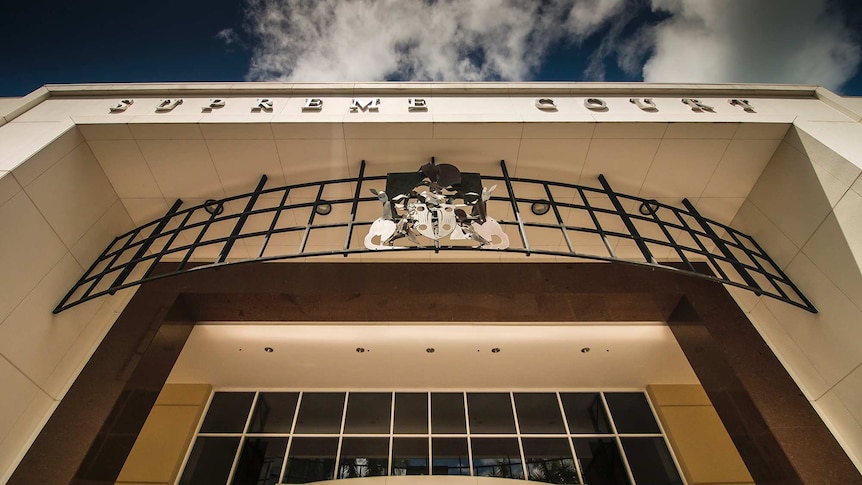
Courts dealing with the most serious crimes in the Northern Territory are the busiest they have ever been, with people now waiting an average of 16 months to have their cases heard.
The latest NT government statistics reveal the number of prosecutions being committed to the territory's Supreme Court has hit record highs, with each also taking longer to progress.
The figures show the average time between a case being initiated in the Local Court and finalised by trial has hit 476 days — the longest on record.
The number of people waiting on Supreme Court remand is also at an all-time high in Darwin, with defendants who have been refused bail spending an average of 14 months behind bars before having their day in court.
North Australian Aboriginal Justice Agency chief executive Ben Grimes said they were "often people who are acquitted — found not guilty — who have just lost seven or eight months of their life".
In the Local Court, which hears the bulk of criminal prosecutions in the NT — with only the most serious offences requiring committal to the Supreme Court — the caseload has hit its highest point in a decade.
Meanwhile, the backlog of cases waiting to be committed has doubled in the past 12 months.
"It's an indication that the offending patterns we're seeing in the Northern Territory are shifting to more serious types of offending," Mr Grimes said.
"[Even if] some categories of offending are going down, the most serious categories, the ones that have the biggest human toll, are going up."
While the NT government has previously said it has appointed additional Local Court judges, the number of permanent Supreme Court judges has not increased since 1997, despite its workload more than tripling during that time.
Mr Grimes said government funding had been disproportionately allocated between corrections, crime and justice services.
"The system can't operate if you don't have enough court infrastructure, if you don't have enough holding cell infrastructure, if you don't have enough judges, if you don't have enough legal aid lawyers," he said.
Delays leave victims in 'limbo'
Mr Grimes said the delays could have serious consequences for defendants, victims and their families.
"There's no closure for victims … and it's very hard to move on with your life," he said.
Darwin woman Leanne Thompson spent three and a half years waiting for the case against her former partner, high-profile photographer Paul Arnold, to be finalised after he was charged with a dozen domestic violence offences.
"You are in a form of limbo, you know that you have to go back and relive the experience every time that you go to the courtroom," she said.
Ms Thompson said while she was grateful to police and prosecutors, the system should be improved to better support victims.
"I wouldn't have been able to get him out of my life without going through the process," she said.
"It was literally about the court's capacity and the judge's capacity, so I think they need to address that."
David Hobden, whose brother died in a horror road crash in 2024, said he felt "fed up" with the sluggish court process.
Earlier this month, the sentencing hearing for the woman charged over the crash was pushed back, with Mr Hobden's family given just 24 hours notice.
"There's been a lot of frustration in the last 12 months," he said.
"My mum had pre-booked flights."
Mr Hobden acknowledged there were legitimate reasons for the delay but said the process had been draining for him and his loved ones.
"We were hoping that this would finally be the end," he said.
Attorney-General Marie-Clare Boothby said the "significant increase" in Supreme Court lodgements was a result of a similar increase in cases being finalised in the Local Court.
"We will continue to keep an eye on this demand pressure, as we get the justice system moving again with our $1.73 billion law and order budget," she said.
"Meanwhile, ongoing criminal procedure reforms are focused on giving victims certainty and offenders, consequences.
"While we're beginning to see some positive results, there's much more work to do as we continue to make community safety our number one priority."