
Technology
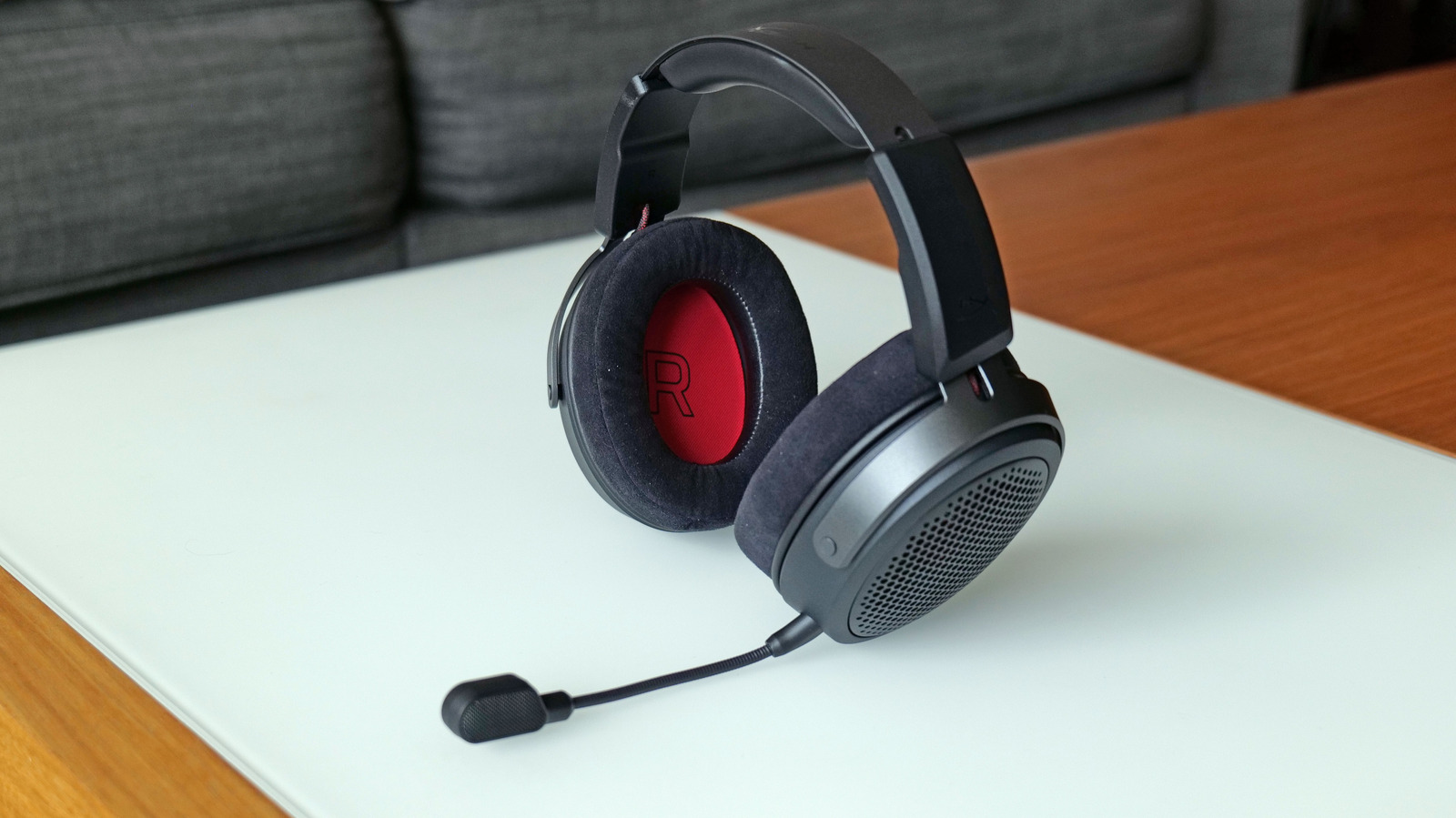
HyperX's first open-back gaming headset brings the bass
Key Points
HyperX's first open-back gaming headset brings the bass The Cloud Alpha Air is reasonably priced at $150 and sports super comfy earpads. HyperX has been making gaming accessories for over a decade (and well before that if you count stuff like RAM and SSDs), but somehow in all that time, the company has never made an open-back gaming headset. But that changes today with the $150 Cloud Alpha Air, which comes with plush foam earpads and a Bass Tube designed to preserve that low-end thump.
HyperX's first open-back gaming headset brings the bass
The Cloud Alpha Air is reasonably priced at $150 and sports super comfy earpads.
HyperX has been making gaming accessories for over a decade (and well before that if you count stuff like RAM and SSDs), but somehow in all that time, the company has never made an open-back gaming headset. But that changes today with the $150 Cloud Alpha Air, which comes with plush foam earpads and a Bass Tube designed to preserve that low-end thump.
One of the issues for open-back headphones is that when compared to closed-backed rivals, there's often a bit of bass loss due their more airy soundstage. However, on the Cloud Alpha Air, HyperX wanted to deliver the same low-end response you get from closed-back cans to help gamers more easily pick up on sound effects like footsteps and explosions. And during my short hands-on time with the Cloud Alpha Air so far, they certainly deliver.
HyperX's cans produce a really satisfying and controlled deep rumble that gave me a newfound appreciation for Nintendo's Wii Shop Channel theme without overpowering the mids and highs. And in games, its bass response highlighted low tones in shooters, though I don't know if it's enough to really give anyone a significant competitive advantage over similarly priced rivals. The Cloud Air Alpha also have an impedance of 34 ohms, which is relatively low, though I noticed that when I connected them to my PC via 3.5mm audio cable, overall volume was a tiny bit subdued, so discerning audiophiles may want to opt for HyperX's included USB adapter or rely on their own DAC. And just like you'd expect, you can tweak the Cloud Alpha Air's EQ and sound profile inside HyperX's free NGENUITY app.
As for the rest of the Cloud Alpha Air's design, HyperX kept things really simple. The only controls on the headphones themselves are a volume wheel and a mute button for its detachable mic. The sides of the cans feature a metallic grille that hides its red 40mm dynamic drivers underneath, while big foam earcups covered in ultrasuede provide a very comfy relaxed fit that makes them extremely easy to wear for long periods of time. Meanwhile, the metal headband feels quite sturdy and it easily withstood my bend test that consists of not-so-gently torquing each cup in opposite directions.
However, my favorite detail about the Cloud Alpha Air is that they come with full complement of cables and adapters including a basic 3.5mm cord, a PC extension cable with separate audio and mic jacks and a USB adapter that comes with both USB-A and USB-C connectors, so you can plug the headphones into pretty much any gadget you can think of. And to round out the kit, you even get a drawstring bag to pack everything into while traveling.
All told, it's a pretty nice package, especially considering that it's relatively affordable at $150. The only downside is that the Cloud Alpha Air is currently only available as a wired set of headphones. When I'm at home and battery life isn't really an issue, I like having the freedom to get up and walk around while chatting on Discord or listening to music without worrying about cables getting all tangled up. But alas, that's not an option quite yet. I strongly suspect that HyperX is working on a wireless version sometime in the future, but when I asked a company rep directly, they declined to comment. That said, the Cloud Alpha Air isn't the only pair of headphones HyperX is launching today, as the company is releasing new color combos for existing products including the HyperX Cloud III S, HyperX Cloud III Wired and HyperX Cloud Flight 2.
Alternatively, for those looking for new input options, HyperX created its lightest mouse yet in the Pulsefire Haste 3 Pro ($130). Made out of a carbon fiber shell and weighing just 47 grams, if you didn't know better, you'd think the mouse was empty inside. That said, it features the company's new Performance Sensor which delivers up to 42,000 DPI while still providing up to 150 hours of use (at 1K polling) in wireless mode. And if $130 feels a bit steep, HyperX also made a more affordable Pro Model for $90 featuring the same sensor and general features but with a slightly heavier plastic shell. Finally, if that's still too much, there's an even more budget-friendly wired model available for just $40.
Unfortunately, if you're in the market for a new PC, aside from some updated AMD-based configs for the Omen 35L, it seems HyperX is waiting a bit longer to announce any new gaming laptops or desktops. But for those looking to upgrade their rig with some fresh peripherals while waiting for the price of RAM to come down, HyperX has a bunch of reasonably-priced accessories to consider this fall when these devices go on sale sometime in September.