
Science
Viral false claims about quakes, Hiroshima expose Japan’s online conspiracy problem
Key Points
Viral false claims about quakes, Hiroshima expose Japan’s online conspiracy problem Claims that a deadly quake was artificial and Hiroshima was not hit by an atomic bomb have alarmed experts tracking Japan’s online spaces In the aftermath of the July 28 earthquake in Kumamoto prefecture in southern Japan, a social media user claimed that seismic data from the National Research Institute for Earth Science and Disaster Resilience showed the tremor was “not an earthquake but an artificial...
Viral false claims about quakes, Hiroshima expose Japan’s online conspiracy problem
Claims that a deadly quake was artificial and Hiroshima was not hit by an atomic bomb have alarmed experts tracking Japan’s online spaces
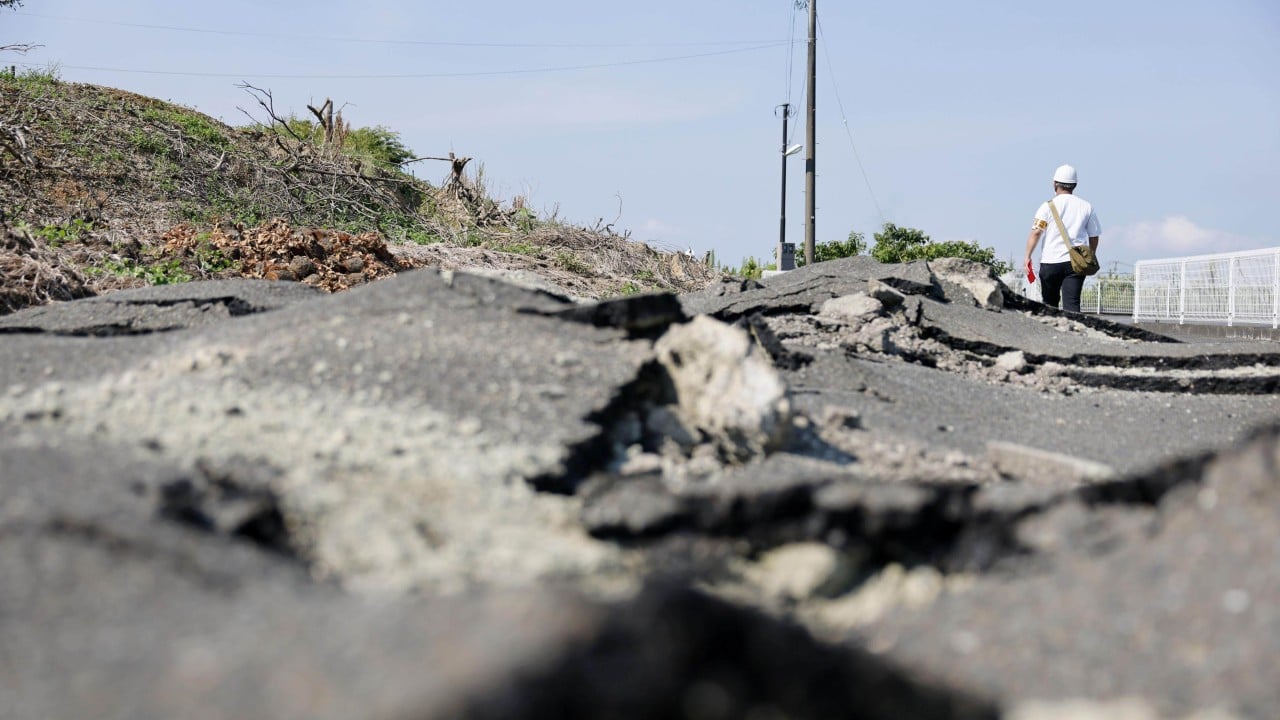
In the aftermath of the July 28 earthquake in Kumamoto prefecture in southern Japan, a social media user claimed that seismic data from the National Research Institute for Earth Science and Disaster Resilience showed the tremor was “not an earthquake but an artificial explosion waveform”.
The post, published about 30 minutes after the magnitude 7.1 quake, was later listed by Yahoo Japan’s real-time search as a popular post, with more than 2,100 reposts and 6,300 likes. Other posts pushed a related claim that the quake had been triggered by HAARP, a research facility in Alaska that has long been a target of disaster-related conspiracy theories.
Days later, as Japan marked the August anniversaries of the Hiroshima and Nagasaki bombings and the end of World War II, NHK reported that false claims denying the atomic attacks were gaining traction online, with some posts on X and TikTok drawing more than 1 million views and one YouTube video claiming the bombing was a lie attracting more than 300,000 views.
“Both the theory that the earthquake was artificially triggered and the denial of the atomic bombings lack scientific basis, but the contexts in which these conspiracy theories take root differ,” said Yuzuru Kido, a former J-CAST News deputy editor and internet media researcher who tracks Japanese social media discourse.
Hiroshima (LOCATION)
Japan (LOCATION)
the July 28 (EVENT)
Kumamoto (LOCATION)
the National Research Institute for Earth Science and Disaster Resilience (ORG)
Yahoo Japan’s (ORG)
HAARP (LOCATION)
Alaska (LOCATION)
Nagasaki (LOCATION)
World War II (EVENT)
NHK (ORG)
TikTok (ORG)
YouTube (ORG)
Yuzuru Kido (PERSON)
Japanese (ORG)