
Science
1,500-year-old child burial unearthed in Peru with whistles, rattle and vessel
Key Points
Archaeologists working at the Huacas de Moche Archaeological Complex in northern Peru have uncovered the burial of an infant estimated to be about 1,500 years old. The child, approximately 1.5 years old, was buried with a funerary assemblage that included two whistles, a rattle and a sculptural vessel. Researchers say the burial displays a pattern characteristic of the Moche culture.
Archaeologists working at the Huacas de Moche Archaeological Complex in northern Peru have uncovered the burial of an infant estimated to be about 1,500 years old. The child, approximately 1.5 years old, was buried with a funerary assemblage that included two whistles, a rattle and a sculptural vessel. Researchers say the burial displays a pattern characteristic of the Moche culture. According to Peru's Andina news agency, archaeologists discovered the burial in Architectural Complex 61, located in the southern sector of the Moche urban core. Archaeologist Jermi Mejia said the infant's remains were found in a reclining position, with the head facing south and the legs facing north.
A carefully arranged burial
Mejia said the burial was accompanied by four notable objects: two whistles, a rattle and a sculptural vessel. These items provide information about the cultural and funerary practices of the society that inhabited the site around 1,500 years ago. The objects also give archaeologists an opportunity to examine how funerary items were placed alongside the dead. Their exact significance to the Moche, however, cannot be determined from the discovery alone.
The burial's location and arrangement add to the archaeological evidence from the site, allowing researchers to examine how funerary practices were carried out within the Moche urban environment.
Found in a residential area
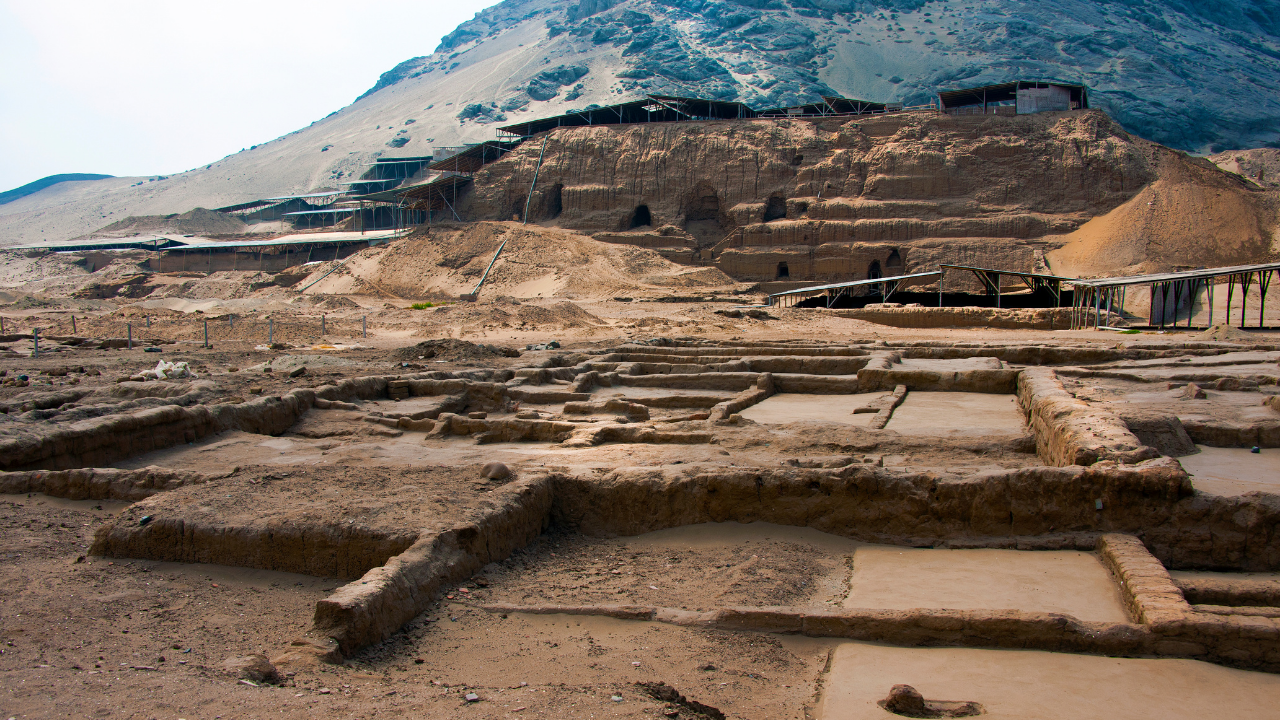
The location of the burial is just as important as the objects found with it. Architectural Complex 61 is situated in the southern sector of the Moche urban core and contains small platforms and partition walls that separated spaces used for different activities. Archaeologists also recovered domestic vessels associated with the abandonment of the space. According to Andina, these objects provide insights into aspects of diet, daily activities and the use of residential areas.
That combination of domestic evidence and a child burial gives researchers an opportunity to look beyond the ceremonial spaces of Huacas de Moche. Instead, the excavation is helping researchers examine aspects of life within the residential parts of the ancient settlement. The excavation work includes graphic, elevation, photographic, film and aerial documentation. Researchers will also continue excavating deeper levels to identify changes made to the architecture over time.
Understanding the Moche community
The Huacas de Moche Archaeological Project is focused on expanding knowledge about the population that inhabited the Moche urban core and understanding their daily lives beyond ceremonial spaces, according to project director Carlos Rengifo. The current field season includes three main areas of work: the ceremonial and funerary area, the urban, domestic and residential sector, and production areas.
The Huacas de Moche Archaeological Project was established in 1991 as an academic research initiative led by National University of Trujillo faculty members Santiago Uceda and Ricardo Morales. Its study area encompasses the Huacas del Sol y la Luna and the spaces associated with the surrounding adobe structures. The research is funded by the National University of Trujillo, which has supported the project since its creation. The project also includes conservation, tourism and community outreach activities.
More clues beneath the surface
The newly uncovered burial is part of a wider excavation effort at the archaeological complex. The current stage of work is expected to continue for approximately one month, after which the area will be protected with clean sand against possible rainfall associated with the El Niño phenomenon. The excavation is helping researchers build a broader picture of the people who lived at Huacas de Moche. While the site is widely associated with its monumental adobe structures, investigations of residential and domestic spaces can provide different clues about everyday life. The infant's burial adds another piece to that picture. Its location, orientation and accompanying objects provide archaeologists with evidence of funerary practices within the Moche urban core.
The whistles, rattle and sculptural vessel cannot by themselves reveal exactly what the Moche intended when they were placed beside the child. But together with the burial's characteristic arrangement, they provide researchers with additional evidence for studying the cultural and funerary practices of the society that inhabited Huacas de Moche around 1,500 years ago.
Peru (LOCATION)
the Huacas de Moche Archaeological Complex (LOCATION)
Moche (ORG)
Andina (ORG)
Architectural Complex 61 (LOCATION)
Jermi Mejia (PERSON)
Mejia (PERSON)
Huacas de Moche (ORG)
The Huacas de Moche Archaeological Project (ORG)
Carlos Rengifo (PERSON)
National University of Trujillo (ORG)
Santiago Uceda (PERSON)
Ricardo Morales (PERSON)