
Weather
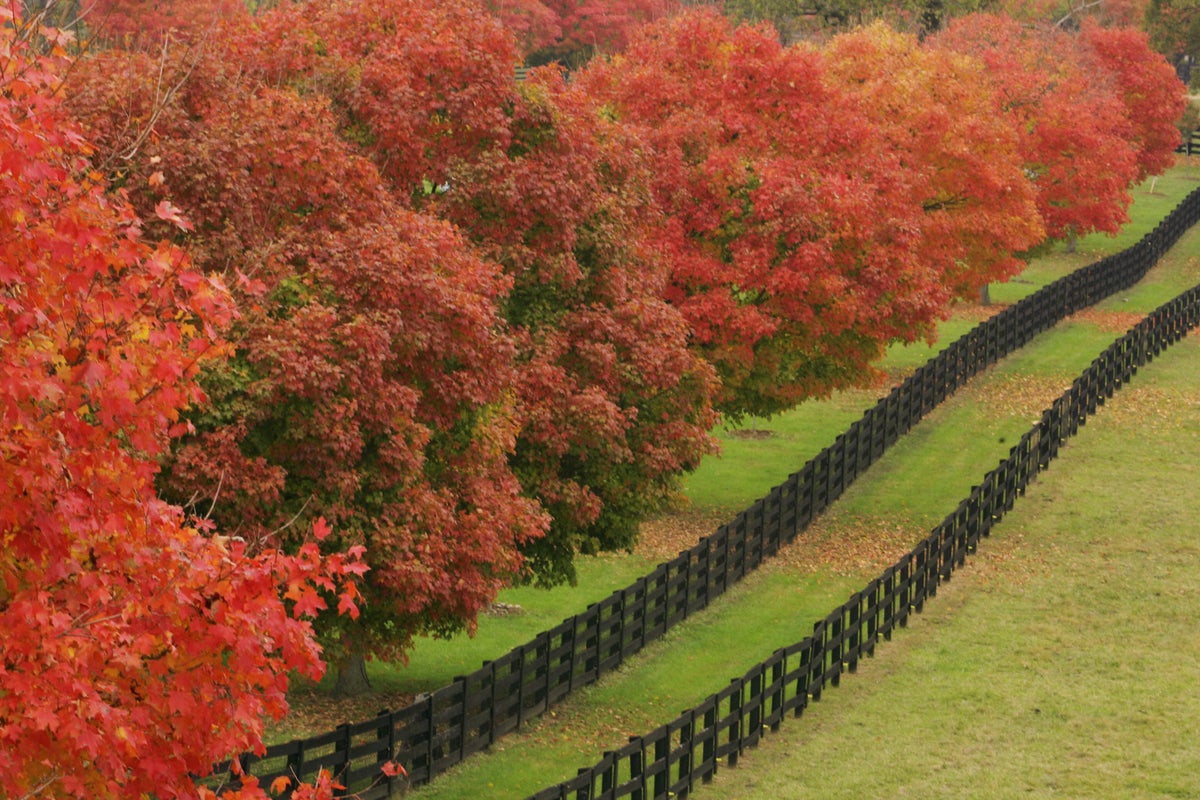
The US fall foliage forecast is out. Here’s where to see the most vibrant colors this year
Key Points
The US fall foliage forecast is out. Here’s where to see the most vibrant colors this year Climate change-driven drought and heat is turning leaves brown earlier than usual in some areas - Bookmark - CommentsGo to comments This fall’s foliage forecast is out, telling leaf peepers where they can see the best colors of the season. Northern states across the U.S. are forecast to have the best luck this year, according to forecaster AccuWeather.
The US fall foliage forecast is out. Here’s where to see the most vibrant colors this year
Climate change-driven drought and heat is turning leaves brown earlier than usual in some areas
- Bookmark
- CommentsGo to comments
This fall’s foliage forecast is out, telling leaf peepers where they can see the best colors of the season.
Northern states across the U.S. are forecast to have the best luck this year, according to forecaster AccuWeather.
Fall doesn’t officially start until September 22, marking the autumnal equinox.
But most of these areas will see colors peak between late September and mid-October, thanks to lingering summer warmth.
“It may still look and feel like summer, but foliage on trees across Michigan will soon transform, as early as the first week of October in parts of northern Michigan,” Michigan’s Lansing State Journal says.
New England and New York
New England and upstate New York will be the best places for viewing this year, AccuWeather notes.
“Wet weather in late spring and early summer followed by drier conditions and cooler nights heading into autumn could set the stage for vibrant color,” the forecaster said Wednesday.
New England’s season was muted last year due to drought. That’s not the case this year, fall foliage blogger Jim Salge wrote last week.
“Given the abundance we are seeing in the woods right now, the recovery from last year’s drought has been about as good as we could have hoped for,” he said.
The Midwest and areas along the Northwest Cascade mountains could also have good color if dry days and cool nights arrive at the right time – but drought and wildfires could impact the quality of foliage in the interior Northwest.
Fires are continuing to burn in Oregon and Washington, with summer heat expected to linger amid the intensifying El Niño climate pattern.
California
California is typically riddled with blazes, but has seen fewer fires this year and is less impacted by drought, the federal U.S. Drought Monitor shows.
Conditions there mean fall color could impress, as well, AccuWeather said.
”Typical or vibrant foliage is expected across the Sierra Nevada and portions of northern California, where significant drought has largely been avoided and wildfire activity has been limited,” the forecaster wrote.
Fall colors there are projected peak in mid-to-late October, with calmer weather provide good chances for viewing.
Colorado
Other areas of the U.S. aren’t so lucky.
The nearby Colorado Rockies had less snow than normal last year, and Colorado is one of the states of the West most affected by drought right now.
"The aspens in Colorado should not be as spectacular as previous years," AccuWeather expert senior meteorologist Paul Pastelok said.
And yellowing leaves there right now are “not really fall colors,” Dan West, an entomologist and longtime leaf watcher with the Colorado State Forest Service, told The Denver Gazette this month.
“You can’t really always tell the difference between fall colors and drought-stressed trees,” he explained. “It’s no different if you didn’t water your house plants for a couple of months. You’re gonna be like, ‘Wow, that plant looks yellow.'”
North Carolina and South Carolina
Drought is also impacting trees in the mid-Atlantic and Carolinas, which is why Pastelok says the contrast between northern and southern Pennsylvania could be “drastic.”
The leaves change color naturally in response to falling temperatures and shorter days, with reduced levels of the green pigment chlorophyll turning the leaves bright orange, yellow, red, and even purple.
But heat and drought tied to climate change can stress trees, turning their leaves brown before these colors appear, the non-profit Climate Central says.
Some leaves have already been turning brown and yellow in Arkansas, KAIT reported last week.
Fall nights have warmed by more than 2.7 degrees on average in 212 locations across the country from 1970 to last year, the group says.
However, some tree species are more resilient than others when it comes to color. While browning in leaves can occur earlier in birch trees, according to Fox Weather, maple trees are red through and through, Susanne Renner, honorary professor of biology at Washington University in St. Louis, told TIME last fall.
“The maple trees will continue to be red no matter the temperature, because of the underlying chemical ability of the plant to produce this or that color,” she said.
Join our commenting forum
Join thought-provoking conversations, follow other Independent readers and see their replies
Comments
US (LOCATION)
Northern states (LOCATION)
U.S. (LOCATION)
AccuWeather (ORG)
Michigan (LOCATION)
Lansing State Journal (ORG)
New England (ORG)
New York New England (ORG)
New York (LOCATION)
Jim Salge (PERSON)
Midwest (LOCATION)
the Northwest Cascade (ORG)
Northwest (ORG)
Oregon (LOCATION)
Washington (LOCATION)