
Science
Woman in Australia gives birth to biologically unrelated twins
Key Points
Woman in Australia gives birth to biologically unrelated twins Court rules babies were ‘gestational twins’ and not birth twins - Bookmark - CommentsGo to comments A woman in Australia has given birth to biologically unrelated twins in a unique case. The Queensland woman, who was a surrogate for a couple, gave birth to a boy and a girl last November. She became unexpectedly pregnant naturally while she was undergoing fertility treatment to implant another couple’s embryo as part of a...
Woman in Australia gives birth to biologically unrelated twins
Court rules babies were ‘gestational twins’ and not birth twins
- Bookmark
- CommentsGo to comments
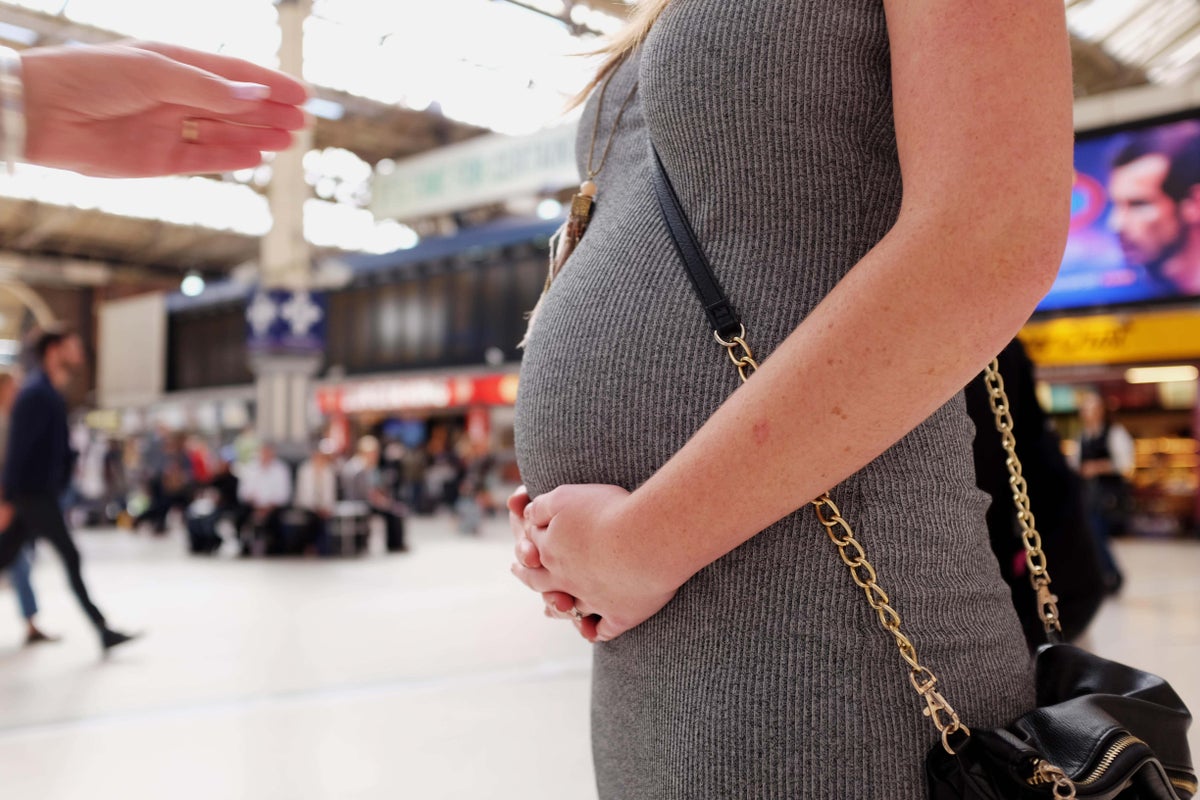
A woman in Australia has given birth to biologically unrelated twins in a unique case.
The Queensland woman, who was a surrogate for a couple, gave birth to a boy and a girl last November.
She became unexpectedly pregnant naturally while she was undergoing fertility treatment to implant another couple’s embryo as part of a surrogacy arrangement.
The scans revealed that the woman was carrying twins, and the DNA tests revealed the baby boy was biologically the child of her and her husband while the girl was genetically the daughter of the other couple.
The case is so rare that it has not been contemplated in the state surrogacy laws, which preclude the separation of "birth siblings" in the event of multiple births.
The couples have been raising their own biological babies separately since the birth nine months ago, without any dispute over their parenthood.
However, the unique situation required the complex case to be heard at the Children's Court of Queensland due to the state’s surrogacy laws, which ban the separation of the “birth siblings”.
This was because the surrogate and her partner had to seek a parentage order for custody of their daughter, which was not opposed by the Queensland couple.
Judge Jodie Wooldridge ruled in the case that the babies were not "birth siblings" under the laws in the "unique" case, and they were “gestational twins”.
She made an order that formalised the parentage of the biological parents.
The two couples earlier this year hired an independent counsellor to prepare a report for court proceedings.
The counsellor noted that “ the available research does not support the conclusion that separation of the twins from birth is, in itself, likely to cause psychological harm”.
"The evidence more strongly supports the view that developmental outcomes will be shaped by the quality of caregiving, family functioning, openness about origins and the thoughtful management of relationships over time.
"On that basis, it is my opinion that separation of the twins from birth is unlikely, on the balance of probabilities, to result in psychological harm attributable to separation alone."
The couple entered into an “altruistic” surrogacy arrangement after they were connected by a mutual friend.
One couple, identified as BNJ and BRJ, has been unable to conceive as BNJ has a medical condition where she was born without a uterus, according to the judgement.
They met another couple DZ and FZ, who already had five children and agreed to become a surrogate and an embryo was transferred via IVF in April 2025.
About two weeks later, scans confirmed that DZ was carrying twins and subsequent DNA testing revealed one child, a girl, was the biological child of the other couple, and the boy, was the biological child of DZ and FZ.
The boy got “conceived separately to the … embryo implantation process, and without medical assistance”.
“[DZ and FZ] had not intended to conceive a child at the time, however that is not to suggest the child is anything other than loved and wanted by [them]”, the court judgment says.
Both families have told the counsellor and the court that the two kids “will grow up knowing one another and be raised with an age-appropriate understanding of their place within the wider family network”.
“The parties also demonstrated a shared understanding that openness and honesty regarding [the girl’s] origins and parentage will be in her best interests over time,” the judgment said.
In a similar case in 2017, a California woman, Jessica Allen, gave birth to her own child at the same time as she delivered a surrogate baby, ensuing a long custody battle.
Scans revealed she was carrying two boys and a DNA test revealed that one of the boys was her biological match, while the other matched with a surrogate.
The woman was separated from her child after the birth, and both the boys were handed over to the surrogate couple, who were reluctant to keep the baby that belonged to Ms Allen due to state laws. Following a lengthy legal battle, Ms Allen was given back her son.
Join our commenting forum
Join thought-provoking conversations, follow other Independent readers and see their replies
Comments