
Science
Young people five times more likely to have no friends than a decade ago, experts find
Key Points
Young people five times more likely to have no friends than a decade ago, experts find Young people ‘experiencing distress and loneliness at every turn’, think tank finds - Bookmark - CommentsGo to comments Young people in the UK are becoming the “loneliest generation” as they are five times more likely to have no close friends than 10 years ago, new research has found. In a hyper-digitalised world marred by the pandemic and austerity, young people are paying the price as they are...
Young people five times more likely to have no friends than a decade ago, experts find
Young people ‘experiencing distress and loneliness at every turn’, think tank finds
- Bookmark
- CommentsGo to comments
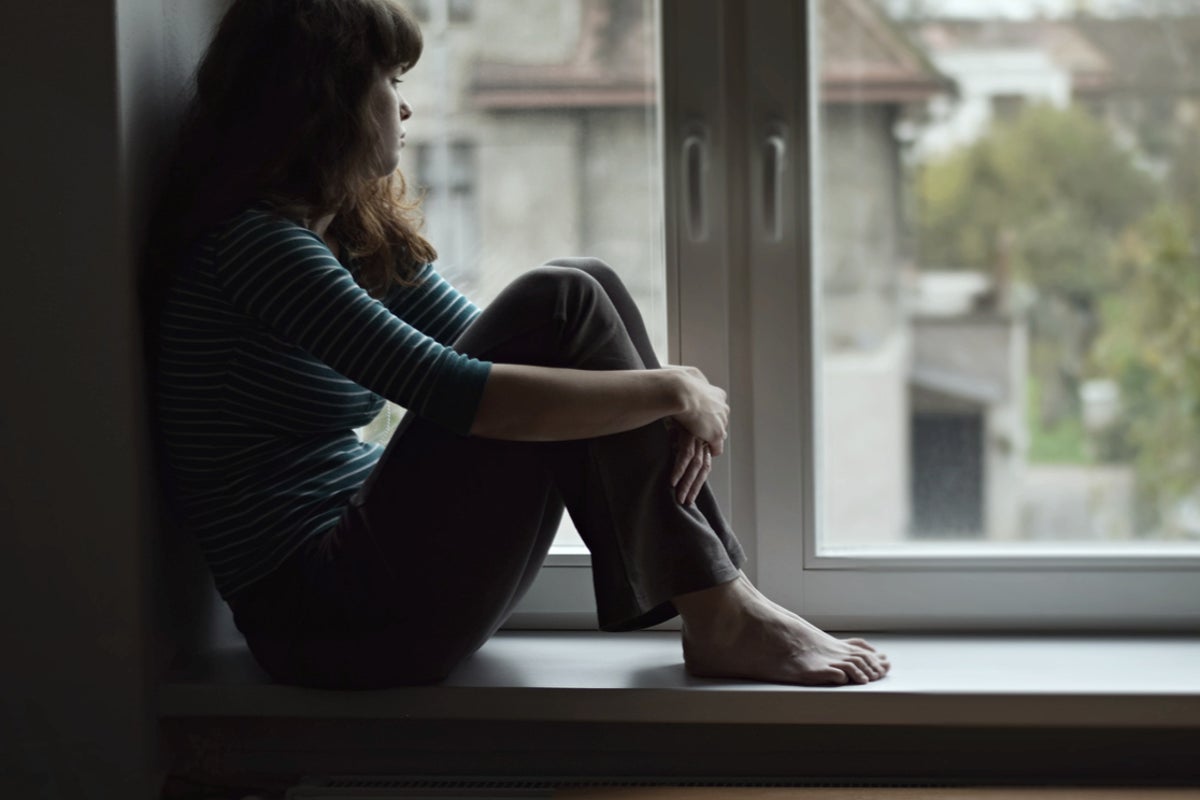
Young people in the UK are becoming the “loneliest generation” as they are five times more likely to have no close friends than 10 years ago, new research has found.
In a hyper-digitalised world marred by the pandemic and austerity, young people are paying the price as they are “dramatically more isolated from one another”.
One in 20 young people in England now report having no close friends at all, up from one in 100 in 2014, according to a report by the Institute for Public Policy Research (IPPR) think tank.
The proportion of the same age group of 16- to 21-year-olds with at least three close friends has also fallen substantially, as has the quality of friendships, with fewer 14- and 15-year-olds saying they are happy with their friends than a decade ago.
The report found growing up is “now defined by disconnection” as they are disconnected from themselves, from each other, and from wider society.
The rise of doomscrolling, “a fundamentally solitary activity [that] has become the daily pastime of a generation”, fuels the trend in disconnection, as young people aged 15 to 17 spend around six-and-a-half hours online every day, typically on YouTube, TikTok, Instagram and Snapchat.
One young person told the researchers: “As I wake up, first thought, TikTok, and then I eat. First thought after that, TikTok, and then I shower and then TikTok; and then I’m on the bus, guess what I do? TikTok and then during school I don’t use TikTok, but after school, as soon as I get out, I’m like let me check my TikTok.”
The report also found young people felt disconnected from society due to their belief that health, education and support services were not set up to serve their needs.
As a result, nearly half of young women aged 16 to 24 (47 per cent) and more than a third of young men the same age (36 per cent) now meet the threshold for psychological distress.
This is having a profound effect on productivity. In 2010 to 2012, just 4.1 per cent of 16- to 24-year-olds said their mental health had meant they accomplished less than they otherwise would have over the previous month. Today that figure has increased by four times to 16.8 per cent.
The IPPR based its findings on interviews with 150 young people and analysis of official data, including the National Centre for Social Research’s Understanding Society dataset.
Avnee Morjaria, associate director at IPPR, said: “Kids aren’t snowflakes. This is a rational response to a bleak world we have left for them.
“A generation has grown up through austerity, a pandemic and a digital revolution, while the costs of getting a home and starting an adult life have soared.”
Ellie Harris, head of children and young people at IPPR, said: "Whatever their background, too many young people are experiencing distress, loneliness and barriers at every turn.
“This cannot be solved by tweaks to youth policy, another education initiative or simply adding a few more professionals. We need a new settlement for young people that gives them hope and a genuine stake in the future.”
In one of his final acts as prime minister, Sir Keir Starmer introduced a ban on social media platforms for young people under 16, including Instagram, Snapchat and TikTok.
The UK sought consultation from Australia, which introduced the world’s first outright ban on social media for under-16s in December 2025.
Join our commenting forum
Join thought-provoking conversations, follow other Independent readers and see their replies
Comments