
Entertainment
Pill testing to be made permanent at up to 15 music festivals a year in NSW
Key Points
NSW government to make pill testing permanent, after successful trial at music festivals In short: From October, a pill testing service will be made available at up to 15 music festivals per year in NSW. In announcing the permanent service, Health Minister Ryan Park says it is "not a silver bullet" and will not endorse drug use. The move was praised by Jennie Ross-King, whose daughter Alex died of an MDMA overdose at a Sydney festival in 2019.
NSW government to make pill testing permanent, after successful trial at music festivals
In short:
From October, a pill testing service will be made available at up to 15 music festivals per year in NSW.
In announcing the permanent service, Health Minister Ryan Park says it is "not a silver bullet" and will not endorse drug use.
The move was praised by Jennie Ross-King, whose daughter Alex died of an MDMA overdose at a Sydney festival in 2019.
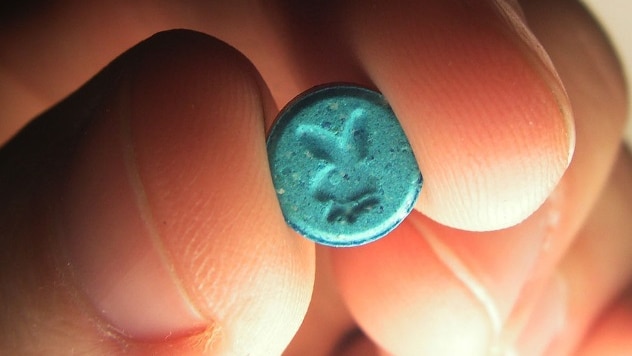
Pill testing will be made permanent in New South Wales after a trial at music festivals was linked to a decrease in drug-related hospitalisations.
The Minns government will provide a drug checking service at up to 15 festivals per year, beginning in October.
Health Minister Ryan Park said the program was not a silver bullet but would ultimately save lives.
"There will always be risks involved when consuming these substances, and this initiative does not endorse drug use," Mr Park said.
"Drug checking at music festivals can reduce harms associated with drug use."
The trial, recommended by the drug summit in December 2024, ran for one year from March 2025.
NSW Health carried out testing at 12 festivals, with more than 1,800 people visiting the service and almost 1,500 samples analysed.
An evaluation by the University of Sydney found the drug checking service was associated with reduced rates of drug-related hospital presentations.
There were 2.3 hospital presentations per festival day during the trial, compared to an average of 3.6 over the previous two years.
"A trend towards decreasing hospital presentations during the trial year is seen," the report states.
"This was seen across festivals of all sizes and music styles."
Overdoses down during trial
Several festivals — Hyperdome, Yours and Owls, Laneway and Mighty Hoopla — recorded zero drug-related presentations during the trial.
"There is a clear reduction in intubating numbers […] I can tell you I've certainly noticed a distinct drop in serious presentations," a healthcare worker told researchers.
"If you look at our statistics of how many people end up in hospital on the nights of our events, the two events we had drug checking was significantly lower than previous events," a festival promoter is quoted as saying.
The trial found an unexpected substance in 8.1 per cent of drugs handed over for testing.
In such cases, 30 per cent of users said they would throw out the sample, 37.5 per cent said they would use less, and 7.5 per cent said they would not use the substance.
MDMA was most common, detected in 64.3 per cent of samples, while ketamine was found in 19.9 per cent of drugs and cocaine in 8.1 per cent.
Of MDMA tablets and capsules tested, 4.4 per cent were found to contain a high dose.
Bereaved mother welcomes service announcement
Jennie Ross-King's daughter Alex died from MDMA toxicity after taking an unknown dose of the drug before the FOMO festival at Parramatta in 2019.
The 19-year-old told her friends she took two capsules at once before entering the event because she was nervous about being caught by police, according to coronial findings.
Ms Ross-King thanked the government for listening to the evidence and having the courage to act on it.
"Young people take risks, that is the reality of life, but they do not deserve to die because of one decision," Ms Ross-King said.
"This will go a long way towards giving young people the information they need to make safer choices and, ultimately, ensuring they come home safely to the people who love them."
The government has set aside $4.3 million to continue the services, which are run in part by NUAA, formerly the NSW and Users and AIDS Association.
The report estimates drug checking will cost an average of $46,685 per festival or $380 per sample tested.
It found the festivals most likely to benefit were electronic dance music events, large, multi-day festivals in the regions, events attended by "drug-naïve" patrons — particularly young men — and festivals held in hot conditions.