
Health
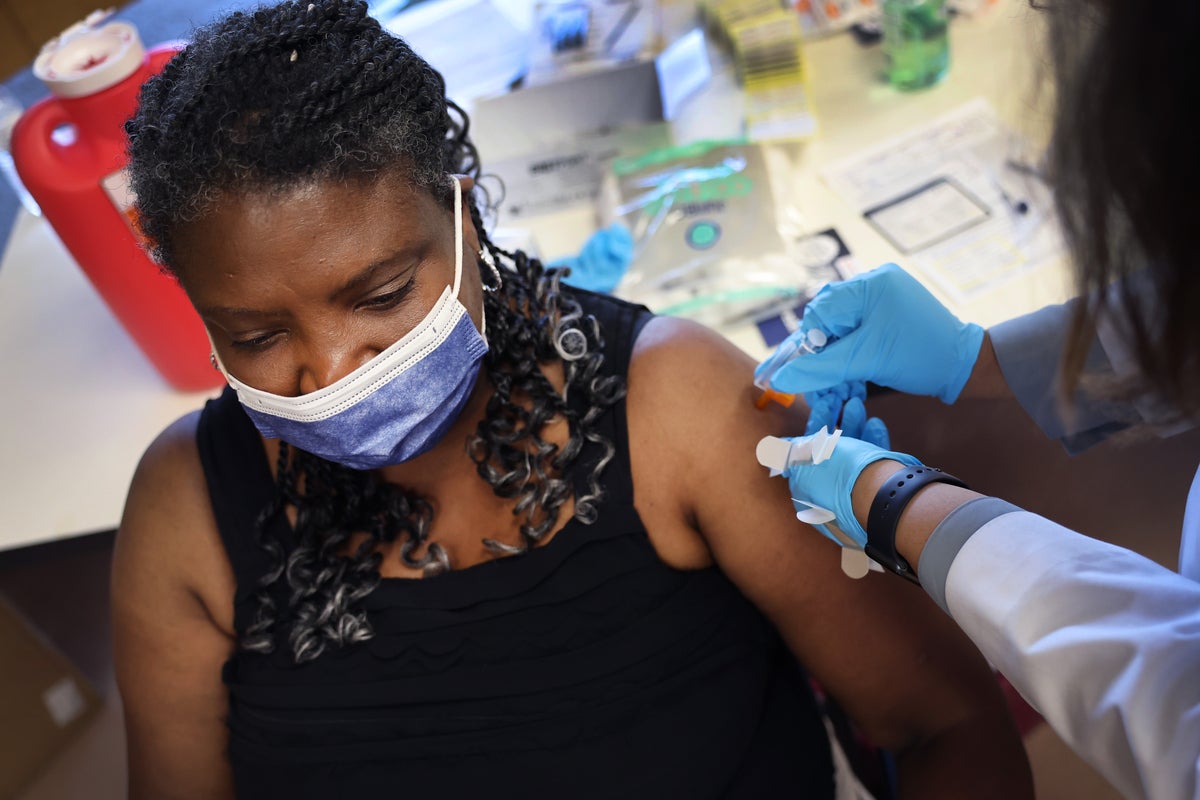
When should you get your flu shot? Here’s what the experts say
Key Points
When should you get your flu shot? Here’s what the experts say The vaccines prevented 10 million illnesses last year - Bookmark - CommentsGo to comments With the arrival of fall, it’s time for Americans to think about flu shots. The flu kills around 45,000 people each year in the United States.
When should you get your flu shot? Here’s what the experts say
The vaccines prevented 10 million illnesses last year
- Bookmark
- CommentsGo to comments
With the arrival of fall, it’s time for Americans to think about flu shots.
The flu kills around 45,000 people each year in the United States. Last year, shots prevented 10 million flu-related illnesses, federal data shows.
Everyone aged six months and older should receive a flu shot, according to Centers for Disease Control and Prevention recommendations, and the shots are available now nationwide.
When should you receive your shot for the best protection? Experts generally say people should head to pharmacies and doctors’ offices between September and October.
“Different parts of the country experience an earlier surge of the flu, so they might get the flu shot in September, but generally I recommend sometime in October and no later than November,” Dr. Stephen Thacker, a pediatric infectious diseases specialist at the Medical University of South Carolina, said in a statement.
It takes around two weeks for the vaccine to become effective, Dr. Michael Dunn, an Arizona primary care physician, told The Arizona Republic.
“Ultimately, look for local and state messaging about increasing flu cases,” Thacker said.
The CDC has not yet published guidance on the 2026 flu season but Thacker believes most recommendations will remain the same as last year.
Children under age five, pregnant women, people with compromised immune systems and seniors over 65 are known to be at a higher risk of severe illness, for example.
Flu shots will still be free for most people with health insurance, too.
One change to the season is the addition of the first mRNA flu vaccine, developed by Moderna and approved for people over age 50.
The vaccine, known as mFLUSIVA, is 25 percent more effective at protecting people in that age range than traditional shots. However mFLUSIVA might not yet be available to everyone, Thacker noted.
“There might be an availability issue just operationally due to the timing of when the pharmacies and health systems needed to start ordering the vaccine,” he said.
Fewer Americans are getting seasonal vaccines, including for flu and Covid. Less than half of U.S. adults had been immunized against any respiratory virus by November 2025, according to a poll from the National Foundation for Infectious Diseases.
Levels of flu are low across the U.S. right now, the CDC reports. But the same can’t be said for Covid where cases are growing, or likely growing, in every state but Iowa, data shows.
The Trump administration approved new Covid vaccines last week. They will be available in the coming days.
Join our commenting forum
Join thought-provoking conversations, follow other Independent readers and see their replies
Comments
Americans (ORG)
the United States (LOCATION)
Centers for Disease Control and Prevention (ORG)
Stephen Thacker (PERSON)
the Medical University of South Carolina (ORG)
Michael Dunn (PERSON)
Arizona (LOCATION)
The Arizona Republic (LOCATION)
Thacker (PERSON)
CDC (ORG)
Moderna (ORG)
Covid (PERSON)
U.S. (LOCATION)
the National Foundation for Infectious Diseases (ORG)
Iowa (LOCATION)