
Politics
Trump’s Falklands move shows Britain must be ready to defend itself
Key Points
Trump’s Falklands move shows Britain must be ready to defend itself The UK has been living off the peace dividend, but this is now a dangerous world with serious threats from Russia, China and Iran. It means that the aim of spending 3 per cent on defence by 2030 is not an option or a luxury, it has become a necessity, as political editor David Maddox explains - Bookmark - CommentsGo to comments The warning by Donald Trump that he might not support the UK in defending the Falklands from a...
Trump’s Falklands move shows Britain must be ready to defend itself
The UK has been living off the peace dividend, but this is now a dangerous world with serious threats from Russia, China and Iran. It means that the aim of spending 3 per cent on defence by 2030 is not an option or a luxury, it has become a necessity, as political editor David Maddox explains
- Bookmark
- CommentsGo to comments
The warning by Donald Trump that he might not support the UK in defending the Falklands from a future invasion underlines the dire situation Andy Burnham is facing on defence spending.
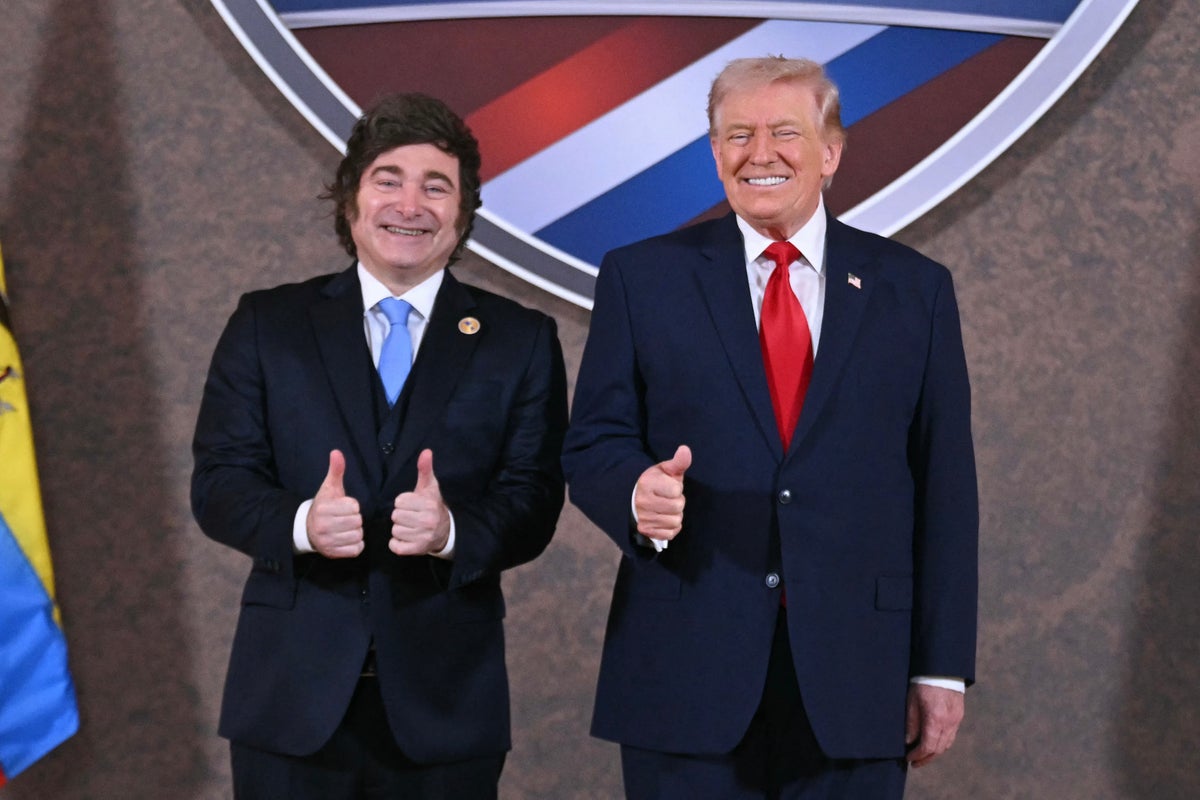
It may seem far-fetched to think there would be an invasion of the Falklands by Argentina, even after its president Javier Milei issued a fresh warning over the islands, saying his country’s national sovereignty had been “violated” and he would defend its interests “with tooth and nail, no matter who it bothers”.
But we have to remember that, back in the early 1980s, few believed they would do it then until they did.
The veiled threat comes in a week when Vladimir Putin hinted that Russia could attack UK military targets over Britain’s continued support for Ukraine.
It all seems to prove a rather salient point made just this morning by Tory leader Kemi Badenoch – that strong countries are not attacked, only weak ones.
And that is exactly why senior Labour backbencher and chair of the Commons Defence Select Committee Tan Singh Dhesi warned Mr Burnham in Prime Minister’s Questions on Wednesday that good vibes alone are not going to defend the UK and its interests.
The problem is that the UK is considered to be increasingly weak by its opponents – and its allies – and President Trump’s words appear to confirm that America will no longer be our security blanket.
This has been exacerbated by the refusal of the UK to help the US in its war with Iran, beyond limited defensive measures. The bitterness felt in Washington over not being allowed to fly from UK bases will be felt well after Mr Trump stops being president.
Mr Trump has already said he is unwilling to defend Europe from an attack by Russia and told Nato allies they must start funding defence properly, with the UK apparently leading the way on a commitment to do so under Sir Keir Starmer but then not fulfilling that promise.
Brexit has not helped and has left Britain adrift and outside EU rearmament, but failures on defence funding and complacency have been even worse.
Since 1989 and the fall of the Berlin Wall, the UK has been living off the peace dividend.
But as Ms Badenoch noted, that period is over; this is now a dangerous world with serious threats from Russia, China and Iran. It means that the aim of spending 3 per cent on defence by 2030 is not an option or a luxury; it has become a necessity. Arguably, the target is too slow and not enough.
However, Mr Burnham is faced with some very difficult choices. There is not much money to play with, and his Labour Party has other plans on spending. He must now be wondering if the UK could defend the Falklands without US support.
The Argentinian president has certainly been emboldened by Mr Trump appearing to support him on the issue and is a political ally of the US president.
Chancellor John Healey, the man who quit as defence secretary from Sir Keir's government over a lack of military funding, now needs to put his money where his mouth was. It does not help when the prime minister says 3 per cent of GDP on defence by 2030 is a commitment, and then Downing Street says it is not.
Confusion looks weak and emboldens the UK's enemies while undermining the confidence of its allies.
Until government policy pivots to deal with this reality, there will be more threats from Buenos Aires, Moscow and elsewhere.
Join our commenting forum
Join thought-provoking conversations, follow other Independent readers and see their replies
Comments