
Politics
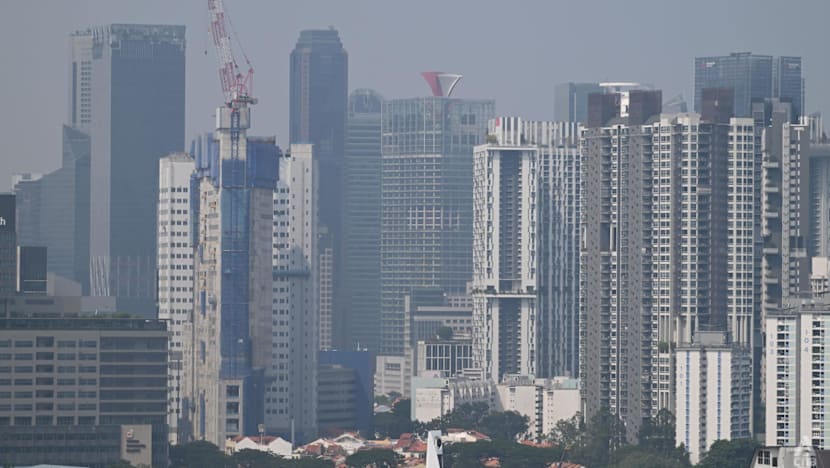
Singapore air quality enters unhealthy range in central region; 24-hour PSI hits 101
Key Points
Singapore air quality enters unhealthy range in central region; 24-hour PSI hits 101 Elsewhere, the 24-hour PSI was 87 in the west, 86 in the east, 76 in the north and 74 in the south as of 7am. Air quality in the central region of Singapore reached unhealthy levels on Friday (Sep 4), with the 24-hour Pollutant Standards Index (PSI) exceeding 100, according to data from the National Environment Agency (NEA). According to the readings shown on the air-quality dashboard at 7am, the 24-hour PSI...
Singapore air quality enters unhealthy range in central region; 24-hour PSI hits 101
Elsewhere, the 24-hour PSI was 87 in the west, 86 in the east, 76 in the north and 74 in the south as of 7am.
SINGAPORE: Air quality in the central region of Singapore reached unhealthy levels on Friday (Sep 4), with the 24-hour Pollutant Standards Index (PSI) exceeding 100, according to data from the National Environment Agency (NEA).
According to the readings shown on the air-quality dashboard at 7am, the 24-hour PSI was 101 in the central region, crossing into the unhealthy band of 101 to 200.
Readings elsewhere remained in the moderate range. The 24-hour PSI was 87 in the west, 86 in the east, 76 in the north and 74 in the south.
NEA said that it will issue daily haze advisories when the 24-hour PSI enters the unhealthy range, defined as a reading above 100.
At the start of August, the ASEAN Specialised Meteorological Centre raised its alert to Level 2 for the southern Association of Southeast Asian Nations region. This is the second-highest level, signalling an increasing risk of transboundary haze.
The alert indicates escalating hotspot activity, with moderate to dense smoke haze observed over two or more consecutive days.
The 28 public agencies that make up the government's inter-agency haze task force are ready to roll out their respective action plans if air quality deteriorates into the unhealthy range, the authorities said previously.
Chaired by NEA, the task force develops and rolls out plans to minimise and manage the impact of haze here, with agencies able to adopt tiered responses based on air quality readings and forecasts.
The task force convenes yearly before the start of the dry season in June to update its plans. It has met twice so far this year – once at the end of January, following peatland and vegetation fires in east Johor, and again in April.
Members of the public may access updates via NEA's website, the haze microsite, the myENV application and the agency's social media channels.