
Science
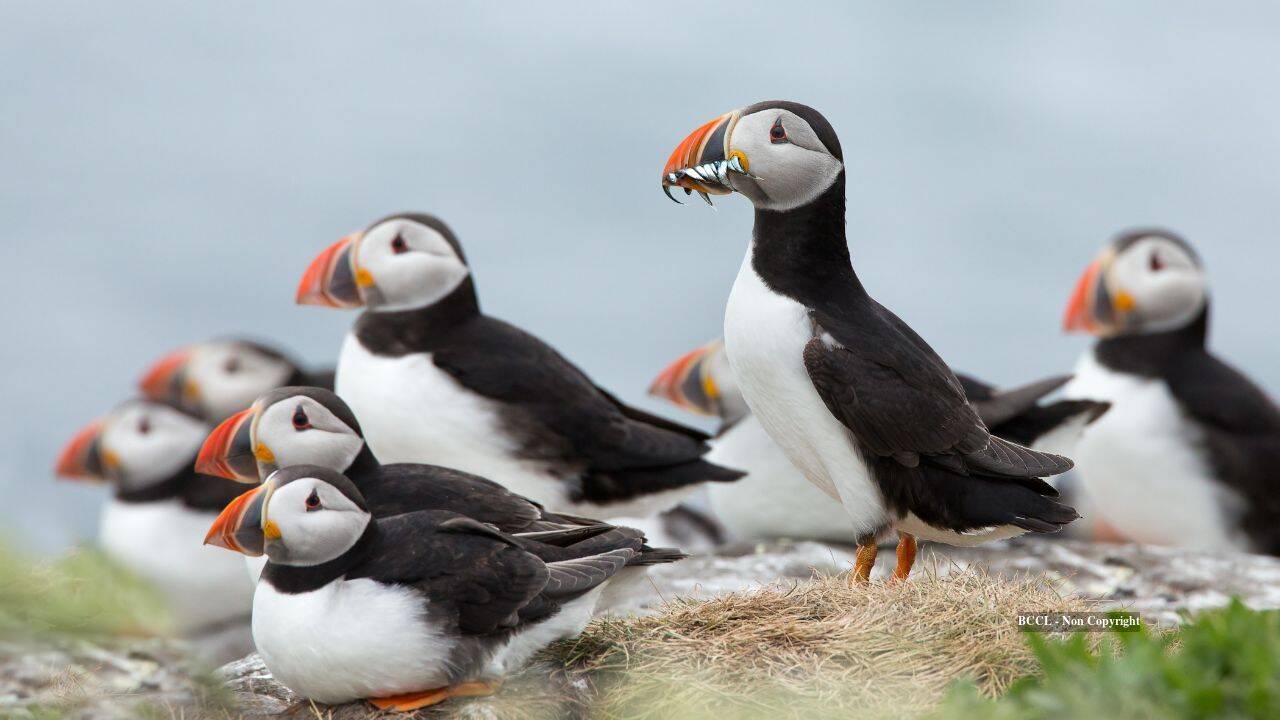
Lundy removed rats; puffins rose from 13 to 1,335 and seabirds topped 40,000
Key Points
Off the coast of southwest England, the small island of Lundy was once a textbook case of how invasive rats can devastate seabird colonies. By the late 1990s, puffin numbers had crashed to just 13 breeding pairs, and many other seabirds had abandoned the island altogether. In 2002, conservationists launched an ambitious rat-eradication project to give the island’s wildlife a second chance.
Off the coast of southwest England, the small island of Lundy was once a textbook case of how invasive rats can devastate seabird colonies. By the late 1990s, puffin numbers had crashed to just 13 breeding pairs, and many other seabirds had abandoned the island altogether. In 2002, conservationists launched an ambitious rat-eradication project to give the island’s wildlife a second chance. More than two decades later, the results are striking: puffins have rebounded to 1,335 individuals, and over 40,000 seabirds now return each year to nest on Lundy’s cliffs and burrows. As documented by the Lundy Field Society and The Landmark Trust, the island’s transformation shows what is possible when a community commits to removing a single, destructive invasive species.
An island under siegeLundy, about 12 miles off the Devon coast, has long been a haven for seabirds. Its steep cliffs, grassy slopes and isolated location make it ideal for species such as puffins, guillemots, razorbills, Manx shearwaters and storm petrels. Historically, tens of thousands of birds nested there, filling the air with calls and shaping the island’s ecology.
Then came the rats. Introduced centuries ago by ships, brown rats (Rattus norvegicus) found an island paradise with no natural predators.
They multiplied rapidly, feeding on seabird eggs, chicks and even adults in some cases. Over time, many birds stopped returning to nest, or raised far fewer young.
By 2000, the situation was dire. Puffin surveys counted only 13 individuals, a fraction of historical levels. Other seabirds had also declined sharply, and the island’s reputation as a seabird stronghold was at risk.
The decision to eradicate ratsConservationists realised that without addressing the rat problem, seabird recovery on Lundy was unlikely. In 2002, the Lundy Field Society, The Landmark Trust (which manages the island) and partner organisations launched a rat-eradication project. The goal was clear: remove every rat from the island and keep it rat-free, allowing seabirds to nest without constant predation.
The operation was complex and sensitive. Lundy is not only a wildlife reserve, but a place to live, visit and bring livestock. Any eradication method had to be effective against rats, but also reduce risks to non-target species, people and pets. After careful planning, teams used a combination of baiting strategies, monitoring and strict biosecurity measures to target the rat population across the entire island.
Life after ratsOnce rat numbers dropped and the island was declared rat-free, the ecological response began almost immediately. Seabirds that had avoided Lundy for years started to return. Burrows that had sat empty for decades were reoccupied. Chick survival rates improved dramatically, as eggs and nestlings were no longer being eaten overnight.
Puffins, once reduced to just 13 individuals, showed one of the most dramatic recoveries. Recent surveys count around 1,335 puffins on Lundy, a more than 100-fold increase from the low point in 2000. These birds now dig burrows in the island’s soil, raise chicks and return year after year, forming one of the healthiest puffin colonies in the region.
A seabird powerhouse againThe recovery extends far beyond puffins. Today, more than 40,000 seabirds nest on Lundy each year, representing a wide range of species. These include: guillemots and razorbills crowd the cliff ledges, laying their eggs on narrow rock shelves; manx shearwaters return at night to their burrows, filling the darkness with eerie calls; storm petrels, one of Europe’s smallest seabirds, breed in hidden crevices and burrows; and kittiwakes, fulmars and other species add to the noise and activity during the breeding season.
For researchers and visitors, the island once again feels like a living seabird city, with constant movement between sea and shore.
Keeping Lundy rat-freeEradicating rats was only the first step; keeping them off the island is an ongoing challenge. Rats can arrive on visiting boats, in cargo or on drifting debris. Lundy has tough biosecurity protocols to guard against reinvasion:
All incoming vessels and supplies are checked for rodents.
We also placed traps and monitoring stations around the island to catch any new rat activity early on.
Residents, staff and visitors are trained to report signs of rats immediately.
This vigilance is essential. A single breeding pair of rats could, within a few years, rebuild a population large enough to threaten seabirds again. The decades of work since 2002 depend on continued care and attention.
Why Lundy matters for conservationLundy’s story has become a reference point for island conservation around the world. Thousands of islands face similar problems: invasive rats, cats, mice and other predators driving declines in native birds, reptiles and invertebrates. Lundy shows that: Large-scale rat eradication is feasible on inhabited islands with careful planning and community support; seabird populations can rebound quickly once predation pressure is removed; and long-term biosecurity is as important as the initial eradication effort.
The project has inspired similar work on other UK islands and beyond, where conservationists are using Lundy’s experience to design their own eradications and restorations.
A living laboratory for researchersFor scientists, Lundy is now a living laboratory. Researchers study how seabird colonies recover over time and what factors influence their growth; hw the removal of rats affects other parts of the ecosystem, from insects to vegetation; and how best to monitor and maintain rat-free status on inhabited islands.
The island’s long-term data sets—spanning decades before and after rat eradication—are invaluable for understanding ecological change and refining conservation methods.
For visitors: Front row seat to recoveryLundy offers visitors a rare chance to see success in conservation in the making. During the breeding season, birds crowd the cliffs and slopes:
From the designated paths you can see puffins diving for fish and feeding their chicks.
The ledges are crowded with guillemots and razorbills, their black and white bodies contrasting with the rock.
At night, the air fills with the calls of shearwaters and petrels returning from the sea.
Interpretive signs and guided walks help visitors understand the island’s history, the impact of rats and the ongoing work to protect seabirds.
A second chance for an island ecosystemIn 2000, Lundy’s seabird colonies were on the brink. Puffins numbered just 13, and the island’s reputation as a seabird haven was fading. Two decades after the rat-eradication project began, the picture is transformed: 1,335 puffins and more than 40,000 nesting seabirds have turned Lundy back into one of the UK’s most important seabird islands.
The story is a reminder that some of the most powerful conservation actions are also the simplest in concept: remove the key threat, protect the gains and let nature recover. On Lundy, that approach has given an entire island ecosystem a second chance—one that continues to unfold with every returning seabird.