
Health
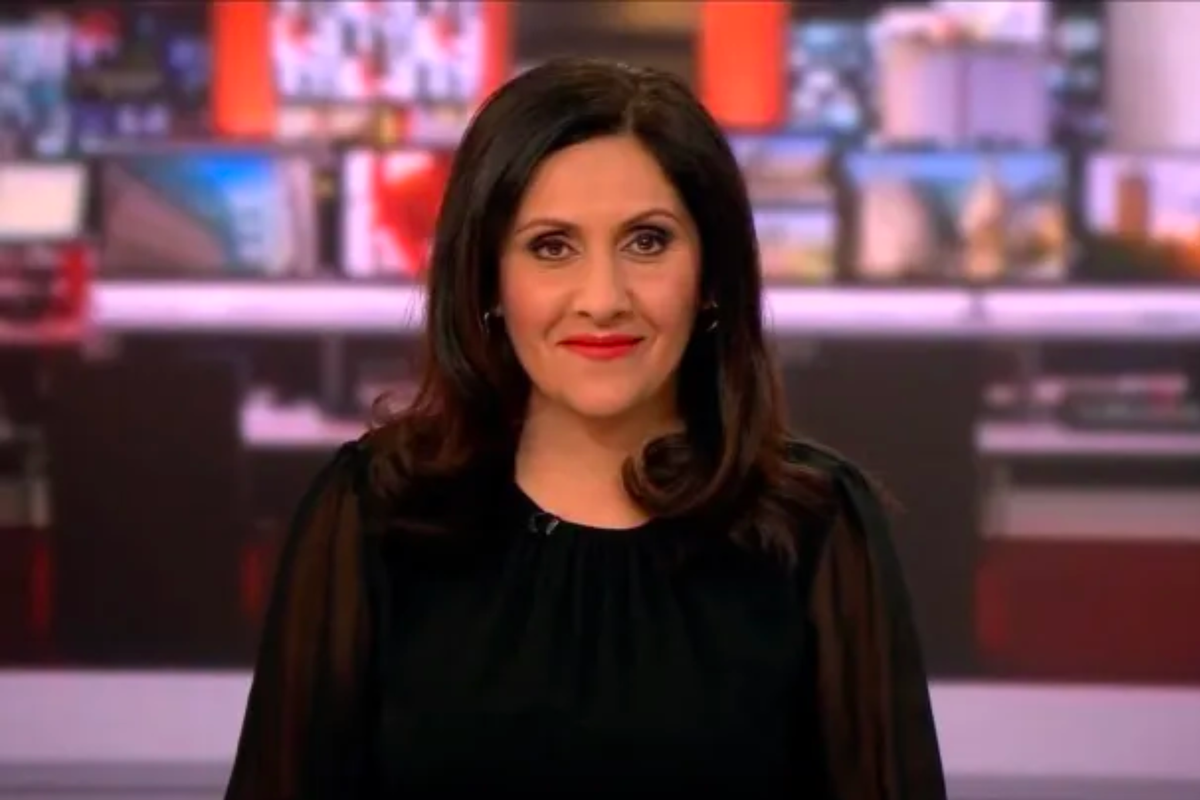
What is polycythaemia vera? The incurable cancer that BBC news presenter Maryam Moshiri is battling
Key Points
What is polycythaemia vera? The incurable cancer that BBC news presenter Maryam Moshiri is battling About 15,000 people in Britain live with the disease - Bookmark - CommentsGo to comments BBC News presenter Maryam Moshiri has revealed she is living with blood cancer. Ms Moshiri, who presents The World Today and has reported from the coronation of King Charles, the papal conclave, and Eurovision, has been undergoing treatment for cancer for the past two years.
What is polycythaemia vera? The incurable cancer that BBC news presenter Maryam Moshiri is battling
About 15,000 people in Britain live with the disease
- Bookmark
- CommentsGo to comments
BBC News presenter Maryam Moshiri has revealed she is living with blood cancer.
Ms Moshiri, who presents The World Today and has reported from the coronation of King Charles, the papal conclave, and Eurovision, has been undergoing treatment for cancer for the past two years.
In an interview with The Times published this weekend, the 49-year-old spoke about the realities of living with polycythaemia vera (PV) since receiving her diagnosis in November 2024.
“I love what I do. I love being where the story is. I don’t want to allow blood cancer to stop me from doing my work,” she told the newspaper.
So, what is polycythaemia vera (PV) and what are the symptoms of the cancer?
What is polycythaemia vera (PV)?
Polycythaemia vera is a type of blood cancer that causes the body to make too many red blood cells.
The average age of diagnosis is 60 years old, and approximately 15,000 people in Britain have the disease.
Red blood cells, which are made in bone marrow, are the cells that carry oxygen around the body.
But in PV, blood stem cells in the bone marrow start to make too many red blood cells, Blood Cancer UK explains. This makes the blood thicker and harder for blood to flow freely around the body.
It's also common for people with PV to have higher than normal levels of white blood cells and platelets, which also makes the blood thicker.
What are the symptoms?
Common symptoms of PV include:
- headaches
- confusion
- dizziness
- blurred vision
- night sweats
- itching (pruritis)
- extreme tiredness (fatigue)
- unusual bleeding such as nosebleeds, bruising easily or heavy periods
- red-looking eyes
- red-looking skin (this may be harder to see on darker skin tones)
- a swollen spleen, causing a feeling of fullness or pain after eating small amounts
- gout, causing pain in your joints.
What are the risks of PV?
Those with PV have a higher risk of unusual bleeding, especially people who have a high platelet count as well as too many red blood cells, Blood Cancer UK explained.
Although PV is a type of cancer it isn't like other more common cancers such as breast cancer or lung cancer, because the main risk with PV is from blood clots.
In some cases PV can progress into another type of blood cancer called myelofibrosis, or a type of leukaemia called acute myeloid leukaemia (AML), but this is rare.
What causes PV?
PV is caused by specific genetic changes that happen during someone’s lifetime, but it’s not yet known why this happens.
It’s more common in adults over the age of 50 and is slightly more common in men than women.
How is it treated?
PV is an incurable blood cancer, but it can be controlled with medication that lowers the risk of blood clots.
Blood letting or venesection is also used as an effective way to reduce the thickness of blood and it is often used as a first treatment, according to Blood Cancer UK.
Join our commenting forum
Join thought-provoking conversations, follow other Independent readers and see their replies
Comments