
Technology
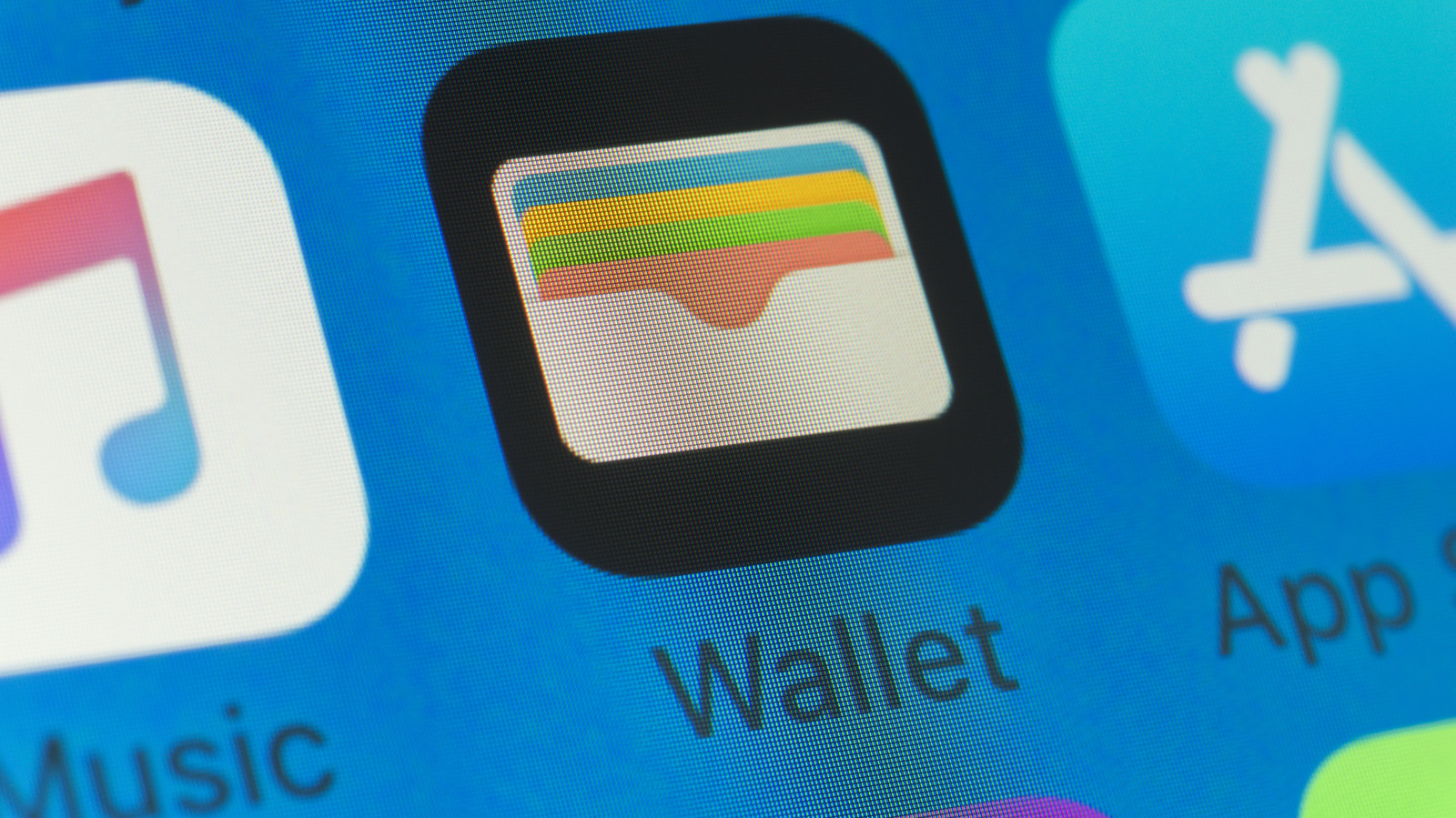
Apple Wallet is not the same as Apple Pay: Here's how they differ
Key Points
Apple Wallet is not the same as Apple Pay: Here's how they differ Apple Wallet and Apple Pay work together in important ways, but they aren't identical. Apple Pay and Apple Wallet have distinct functionalities, even though the two names are often used interchangeably. Apple Wallet is an iPhone app (with a companion tool for Apple Watch) that acts a digital wallet to store digital versions of debit and credit cards, auto insurance cards, boarding passes, IDs and more.
Apple Wallet is not the same as Apple Pay: Here's how they differ
Apple Wallet and Apple Pay work together in important ways, but they aren't identical.
Apple Pay and Apple Wallet have distinct functionalities, even though the two names are often used interchangeably. Apple Wallet is an iPhone app (with a companion tool for Apple Watch) that acts a digital wallet to store digital versions of debit and credit cards, auto insurance cards, boarding passes, IDs and more. Apple Pay, on the other hand, is Apple's digital payment service that lets you use your cards to make purchases at a physical location or online.
For Apple Pay in-store, you tap your iPhone on an NFC terminal and press the Side button twice. Your iPhone will then confirm it's you with Face/Touch ID or your PIN to complete a purchase. Online Apple Pay usage is similar to services like PayPal, where you choose a card and authenticate. Regardless of what you buy or where, you're using Apple Pay to purchase something with a card stored in your Apple Wallet.
Wallet can also hold plenty of items not directly tied to payments, like concert tickets or store loyalty cards. In this case, it acts as a secure place to hold these items and keep them easily accessible.
What happens when you pay with Apple Pay
Using a payment card with Apple Pay involves more than Apple Wallet storing your card details and passing them to the merchant. Instead, it creates a unique Device Account Number (DAN) for each card and stores this in the Secure Element, a chip on your device for securely storing sensitive info.
When you make a payment, Apple sends the DAN, along with a one-time security code specific to that transaction, to the merchant. The store never sees your real credit or debit card number. And Apple 's servers don't keep identifying information about you with the transaction history.
This is also why an authentication step is required when using Apple Pay. Face ID can be awkward with tap-to-pay on a terminal, so you may want to scan your face before using the NFC touchpoint. As a fallback, you can use your passcode instead. Confirmation is also required for online purchases, whether it's the App Store, a food app order or a purchase through Safari. Apple Wallet crosses paths with the payment process, since you can choose from any cards you have in your Wallet.
You can check the last four digits of a card's unique Device Account Number in Apple Wallet. Open Apple Wallet, select a card, and tap the three-dot (...) button followed by Card Details. There, tap Card Information, and after authenticating with Face ID, you'll see the Apple Pay last four digits at the bottom. You can use this to distinguish purchases from Apple Pay compared to other ways you use the card.
Apple Cash is the person-to-person part
Sending money to a friend or family member is a function of Apple Cash, a feature that ties into Apple Pay. With Apple Cash, you can send or request money over iMessage or directly through the Apple Cash card in your Wallet using Tap to Cash. It's as easy as selecting someone from your contacts, entering the amount you want to send and authenticating. Of course, the contact's phone number has to be linked to their Apple Account, and they have to be eligible for Apple Cash.
After you receive some money, you'll have access to an Apple Cash "card," which usually sits near the top of your Apple Wallet. From its menu, you can add money through a debit card, set up recurring payments to others or transfer to your bank. Apple Cash is not a universal payment service; it's only good for those with Apple devices. If the recipient has Android only, you'll have to use another service like Venmo.
As we've seen, Apple Wallet and Apple Pay often interact, yet are separate and serve different functions. Apple Wallet is where all your digital payment options are stored. Apple Pay is how you pay merchants or make online purchases. And Apple Cash is how you send money to friends or family.
[Image text:] Music
Wallet
App