
Health
ACT records first death linked to 'highly potent' synthetic opioid
Key Points
Death of Canberra woman first in the ACT linked to highly potent synthetic opioid In short In 2022 a 42-year-old woman died of a drug overdose at her home in the Canberra suburb of Ainslie. A post-mortem detected a range of drugs including the novel psychoactive substance, protonitazene, which is predicted to be at least 100 times more potent than heroin. Researchers say the number of deaths linked to novel substances is rising nationally.
Death of Canberra woman first in the ACT linked to highly potent synthetic opioid
In short
In 2022 a 42-year-old woman died of a drug overdose at her home in the Canberra suburb of Ainslie.
A post-mortem detected a range of drugs including the novel psychoactive substance, protonitazene, which is predicted to be at least 100 times more potent than heroin.
Researchers say the number of deaths linked to novel substances is rising nationally.
The ACT Coroner's Court has found the overdose death of a 42-year-old woman is the first in Canberra with an established link to a novel psychoactive substance.
The woman's body was found at her home in Ainslie in July 2022 by her housemate who called emergency services.
Post-mortem testing found quantities of a range of drugs in her blood including protonitazene.
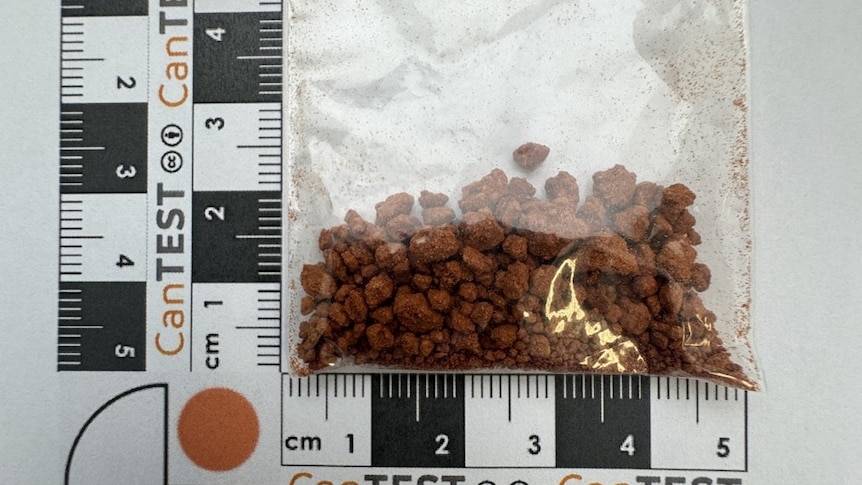
A highly potent synthetic opioid, or New Psychoactive Substance (NPS), protonitazene is estimated to be at least 100 times more potent than heroin.
Coroner Ken Archer said the woman had been using illicit drugs — predominantly heroin — for several years prior to her death and had overdosed while riding a bus a few days prior to her death.
"While she sought opportunities for drug counselling, the complexity of her dual diagnosis of deteriorating mental health and ongoing addiction issues required a holistic response to her health needs," Coroner Archer said.
"[She] was not able to engage with support services at a level and for a period that enabled such a response to be developed.
"Her response was to withdraw from support and her engagement with treatment services was limited."
Police found items "consistent with drug usage" in the home including uncapped syringes, an empty clip seal bag with presumed drug residue, cannabis seeds, naloxone hydrochloride dihydrate (a single dose nasal spray for opioid overdose), fentanyl test strips and a sharps container.
They also found a large number of prescription medications and three bottles of methadone.
During a raid of a home as part of an unrelated investigation into a Canberra-based drug syndicate, police found the deceased's name in a notebook that appeared to contain a 'tick list' of customers along with a large amount of synthetic opioids.
The forensic pathologist who conducted the post-mortem indicated that protonitazene present at even low levels can be highly potent and "may have added to the degree of respiratory depression" but concluded it wasn't possible to say if the substance on its own was the cause of death.
Coroner Archer accepted this view, finding the woman had died of multiple drug toxicity, with aspiration of vomit a contributing cause.
Matters of public safety
Last month, police issued a warning after five people died within a fortnight from suspected drug overdoses linked to opioid use.
Researchers have also raised concerns about a rising number of deaths nationally, linked to novel substances.
Coroner Archer noted drug checking service CanTEST posts alerts about potentially dangerous drugs or additives, but the taking of blood samples from people who have died is delayed by the scheduling of post-mortem examinations.
He said the ACT Government Analytical Laboratory is working on establishing a capability to detect NPS in blood samples including a "fast toxicology" capability, but it's not clear how long that work might take.
"There is not an integrated public notification system that arises from known outcomes from toxicological testing for NPS in the coronial space," Coroner Archer said.
"Warnings are issued on an ad hoc basis by the [Australian Federal Police] where patterns of NPS detection in death cases suggest a greater prevalence of NPS in drugs apparently distributed within the ACT," he said.
"It is noted that it is difficult to determine how long the drugs in which the NPS are found remain within the relevant distribution cycle for that drug that apply at the time of detection."
Coroner Archer said the delays affect the power of public messaging.
"For example, batches of heroin brought to the ACT from Sydney or Melbourne that contain NPS might move through the supply chain at varying rates depending on batch size and the demand for the product of the particular supplier," he said.
"A dangerous circumstance that arises is that heroin that is known to produce a greater 'high' can become popular in the market place.
"Heroin with higher purity levels or heroin with NPS added can produce that effect.
"Both circumstances created significant dangers for even experienced users".
Coroner Archer extended his condolences to the woman's family and apologised for the delay in finalising the findings.