
Health
New mother died 40 days post-birth after ‘missed opportunity’ at appointment
Key Points
New mother died 40 days post-birth after ‘missed opportunity’ at appointment Gemma Robins, 30, died 40 days after the birth of her first baby in 2024 - Bookmark A coroner has raised concerns about how hospitals communicate with one another after the death of a new mother. Senior Coroner for West Sussex, Brighton and Hove, Penelope Schofield said “confused” lines of communication between clinicians at the Royal Surrey NHS Foundation Trust and University Hospitals Sussex NHS Foundation Trust...
New mother died 40 days post-birth after ‘missed opportunity’ at appointment
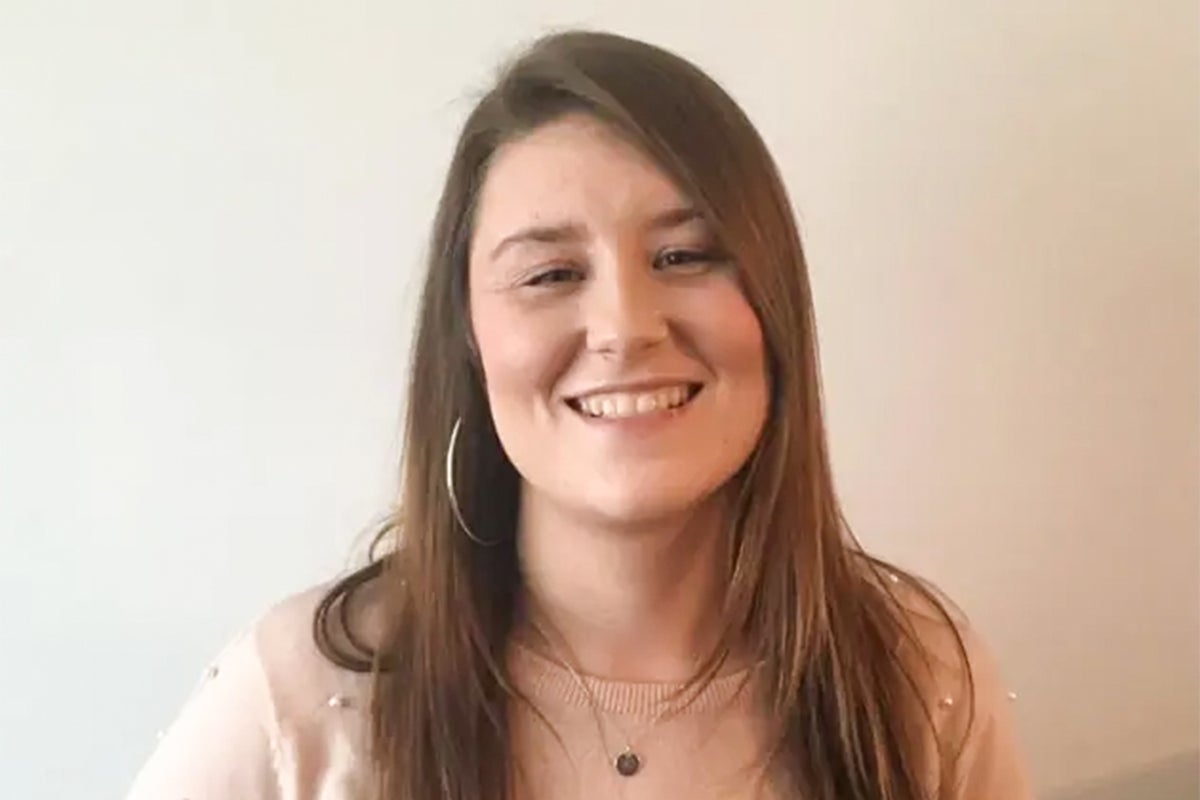
Gemma Robins, 30, died 40 days after the birth of her first baby in 2024
- Bookmark
A coroner has raised concerns about how hospitals communicate with one another after the death of a new mother.
Senior Coroner for West Sussex, Brighton and Hove, Penelope Schofield said “confused” lines of communication between clinicians at the Royal Surrey NHS Foundation Trust and University Hospitals Sussex NHS Foundation Trust “present a risk to the care provided to future patients”.
The report follows the death of 30-year-old data analyst Gemma Robins, who died 40 days after the birth of her first baby in 2024.
Her family said that “given the chance, we are sure she would have made an incredible mother”.
An inquest into Ms Robins’ death found that there was a “missed opportunity” at an antenatal appointment in April 2024 to investigate possible pre-eclampsia.
Ms Schofield said that blood tests may have revealed abnormal liver function tests, which in turn may have led to an earlier admission to hospital.
Two days after the antenatal appointment, Ms Robins was admitted to Worthing Hospital following persistent vomiting.
It was decided her baby girl would be delivered by Caesarean section.
Ms Robins was transferred to the intensive care unit at Royal Sussex Hospital in Brighton the next day. She went on to develop internal bleeding.
Lawyers representing her family said that after delays caused by poor communication between the staff at the Royal Sussex Hospital and the specialist team at the Royal Surrey County Hospital, who were advising on Ms Robins’ treatment, she had a procedure to block the bleeding vessel and was transferred to the Royal Surrey County Hospital in Guildford.
At Guildford, Ms Robins underwent emergency surgery, but doctors later concluded there were no further surgical options.
She died on June 13, 2024, from a serious liver condition and inflammation of the pancreas.
After the inquest, Ms Schofield raised concerns about communication between hospitals in a prevention of future deaths report.
“Whilst it is appreciated that communication is difficult when so many different specialist clinicians are involved in a patient’s care, particularly when on the intensive care unit,” she wrote.
“At the time of Gemma’s death, clinicians communicated via text, email and telephone to discuss patient care. I heard that these modes of communication can be extremely challenging and prone to miscommunication when multiple teams were involved with a patient.
“Although some improvements have been made, the Court’s expert witness indicated that these issues will continue to occur unless there is one centralised system/platform which clinicians across both NHS Trusts have access to and facilitates the use of real-time recording of communications.”
She added: “The Inquest revealed that there were confused lines of communication between clinicians at the University Hospitals Sussex NHS Foundation Trust and the hepato-pancreato-biliary department at the Royal Surrey NHS Foundation Trust when dealing with acutely unwell patients on the intensive care unit.
“Whilst this was not a causative feature in this case, it does present a risk to the care provided to future patients.”
A separate prevention of future deaths report, addressed to University Hospitals Sussex NHS Foundation Trust, says that there were not adequate safeguards in place to ensure that basic checks during antenatal appointments are carried out.
Ms Robins’ family described her as “loyal, protective and caring, with a big heart, a sharp sense of humour and a love of animals, Disney movies, music, fashion and shopping”.
Her parents, Paul and Liza Robins, said: “Gemma was our beautiful daughter and, had she been given the chance, we are sure she would have made an incredible mother.
“We welcome the coroner’s decision to issue prevention of future deaths reports following Gemma’s inquest.
“However, we believe there are wider lessons to be learned from her death, especially around the importance of antenatal investigations and the recognition and treatment of acute fatty liver of pregnancy.
“We still think of Gemma every day and will continue to campaign for change to ensure that lessons are learned from the evidence heard at her inquest.”
Symptoms of pre-eclampsia
NHS
Early signs of pre-eclampsia include high blood pressure (hypertension) and having protein in your pee.
Other symptoms include:
- a severe headache that does not go away with simple painkillers
- vision problems, such as blurred vision or seeing flashing lights
- pain below the ribs
- sudden swelling of the face, hands or feet
- feeling very unwell
- heartburn that does not go away with heartburn medicines
- being sick (vomiting)
Meg George, a solicitor from the medical negligence team at law firm Leigh Day – who represented the family, said: “The coroner recognised there were missed opportunities to investigate possible pre-eclampsia before Gemma’s death.
“As a result, her family remain deeply concerned about aspects of the maternity care she received at University Hospitals Sussex NHS Foundation Trust.
“The prevention of future deaths reports are a welcome step, but Gemma’s family will continue to seek answers about the care she received.”
Dr Bill Jewsbury, medical director at Royal Surrey NHS Foundation Trust, said: “I want to express my deepest condolences to Gemma’s family for their devastating loss.
“While we did everything we could for Gemma and the Trust’s care was not subject to criticism, I recognise that communication between the hospitals presented challenges. We are committed to improving this through embedding a new and more robust system.”
University Hospitals Sussex NHS Foundation Trust has also been asked for comment.
Gemma Robins (PERSON)
Coroner (PERSON)
West Sussex (LOCATION)
Brighton (LOCATION)
Hove (ORG)
Penelope Schofield (PERSON)
the Royal Surrey NHS Foundation Trust (ORG)
University Hospitals Sussex NHS Foundation Trust (ORG)
Ms Robins (PERSON)
Ms Schofield (PERSON)
Worthing Hospital (ORG)
Royal Sussex Hospital (ORG)
the Royal Sussex Hospital (ORG)
the Royal Surrey County Hospital (ORG)
Ms Robins’ (ORG)