
Politics
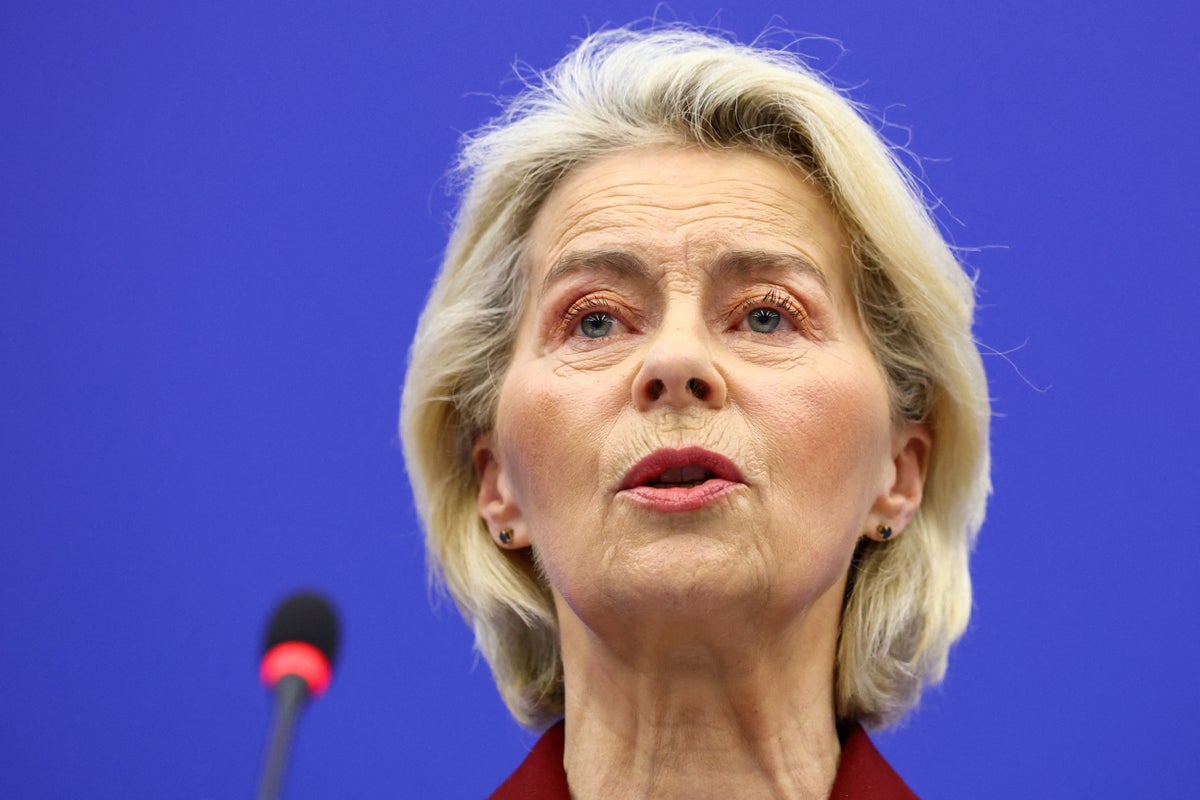
EU chief proposes sweeping social media ban for under-13s to protect children online
Key Points
EU chief proposes sweeping social media ban for under-13s to protect children online Ursula von der Leyen wants social media to be banned for under-13s across Europe - Bookmark European Commission president Ursula von der Leyen has outlined a major proposal aimed at protecting children from online risks on Thursday, recommending a ban on under-13s using social media platforms alongside a mandate for digital services to create dedicated safe accounts for minors. The policy initiative aligns...
EU chief proposes sweeping social media ban for under-13s to protect children online
Ursula von der Leyen wants social media to be banned for under-13s across Europe
- Bookmark
European Commission president Ursula von der Leyen has outlined a major proposal aimed at protecting children from online risks on Thursday, recommending a ban on under-13s using social media platforms alongside a mandate for digital services to create dedicated safe accounts for minors.
The policy initiative aligns with actions taken in Britain, Australia, China, India, Turkey, and several European Union member nations following widespread anxiety regarding the effect that Meta’s Facebook and Instagram, TikTok, Google’s YouTube, and ChatGPT exert on children's safety and psychological health.
Enforcement hurdles already observed during Australia's introduction of a world-first social media restriction for under-16s indicate that European authorities may face a similarly difficult path.
"Today, our children are engaging with some of the most sophisticated technology ever created, and it was not created with children's well-being and development in mind," von der Leyen told a press conference.
She asserted that the draft legislation, known as the EU Kids Act, "will set clear boundaries in the digital world just as we do it on a daily basis in the real world".
Before the draft rules can take effect, they must be negotiated between EU member states and the European Parliament. Under the current outline, social media accounts for children aged 13 to 15 will require parental oversight.
Additionally, video-sharing platforms, social networks, online games, and interactive AI models intended for individuals under 18 will be subject to a strict list of requirements and prohibitions.
These restrictions ban addictive design mechanisms, profiling-driven recommendation feeds, infinite scroll features, reward systems, and unsolicited messages from unknown users. Systems involving AI companions and chatbots are required to be deactivated by default.
Digital platforms must construct algorithms that ensure safety for younger audiences, while offering intuitive parental management tools and straightforward options to block and mute other users.
Firms will be obligated to verify account holders' ages through age assurance tools during sign-up. Non-compliance could trigger penalties of up to 6% of a company's total annual global sales, alongside an obligatory supervisory levy to fund regulatory enforcement.
Industry lobbying group CCIA Europe, which counts Google and Meta among its members, highlighted potential privacy dangers connected to the policy and warned of friction with existing European Union regulations.
"Collecting age information, identity credentials, and data linking children with parents or guardians at this scale would undoubtedly create an attractive target for cybercriminals," CCIA head Daniel Friedlaender said.
"The Kids Act creates legal overlap and duplication that ultimately weaken protections for children and consumers," he said.