
Science
Scientists trace half the DNA in Xinjiang’s oldest tombs to Yellow River farmers
Key Points
Advertisement Scientists trace half the DNA in Xinjiang’s oldest tombs to Yellow River farmers Study of Bronze Age remains uncovers a population with roots in both Yellow River farmers and Eurasian steppe groups 2-MIN READ2-MIN Nestled between the Tianshan Mountains and the Gobi Desert, the Hami oasis in Xinjiang Uygur autonomous region is a land of little rain, battered by wind and sand year-round. It is also home to the region’s oldest known burial site, the Tianshanbeilu cemetery, located...
Advertisement
Scientists trace half the DNA in Xinjiang’s oldest tombs to Yellow River farmers
Study of Bronze Age remains uncovers a population with roots in both Yellow River farmers and Eurasian steppe groups
2-MIN READ2-MIN
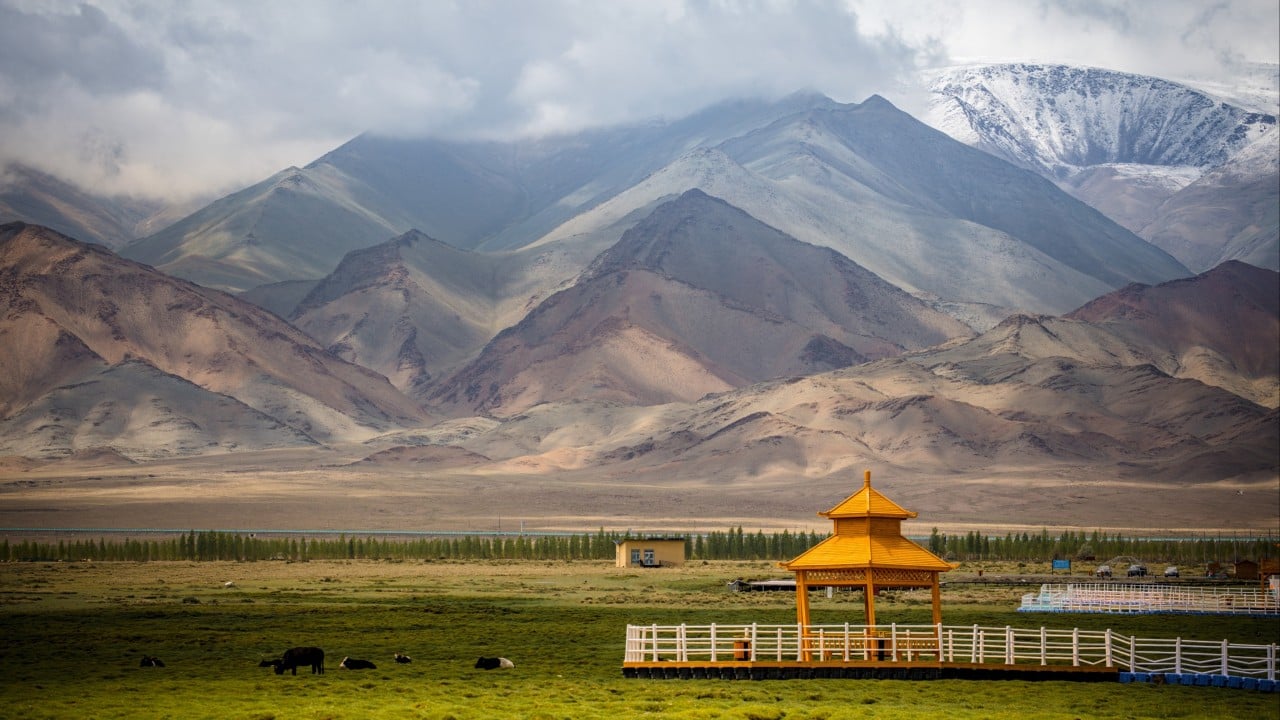
Nestled between the Tianshan Mountains and the Gobi Desert, the Hami oasis in Xinjiang Uygur autonomous region is a land of little rain, battered by wind and sand year-round.
It is also home to the region’s oldest known burial site, the Tianshanbeilu cemetery, located around 500km (310 miles) east of Urumqi, the regional capital. More than 700 Bronze Age tombs have been unearthed here, long assumed to belong to Eurasian nomads who migrated eastward from the steppes.
But a study published on Friday in the journal Science upends that view, revealing a previously unknown, genetically mixed population that lived in the eastern Tianshan region 3,600 years ago, during China’s Shang dynasty (1600-1050BC).
Select Voice
Select Speed
1x
AI-generated voice