
Environment
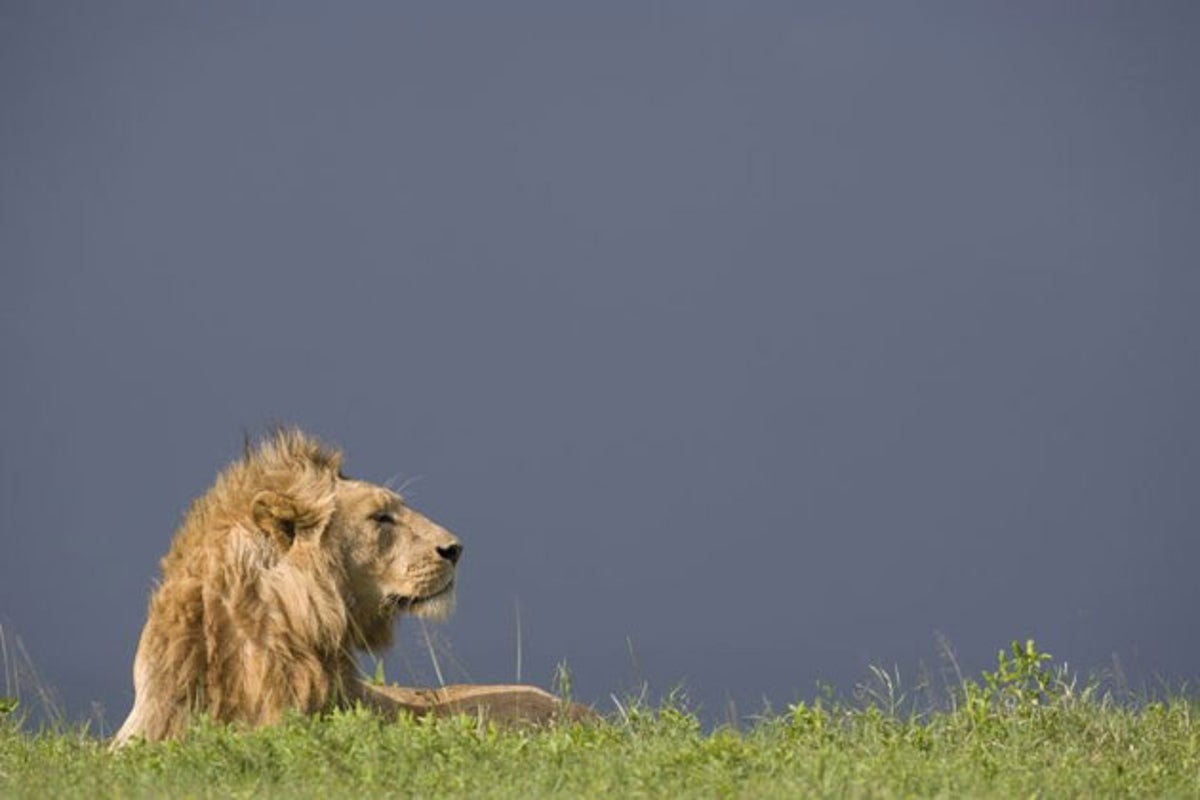
Ten lions found dead in Tanzania wildlife park following suspected poisoning
Key Points
Ten lions found dead in Tanzania wildlife park following suspected poisoning Concerns have been raised over the conservation of large mammals in the wildlife reserve - Bookmark - CommentsGo to comments Ten lions have been found dead following a suspected poisoning in Tanzania’s Ngorongoro wildlife reserve this week, the area’s management authority has said. The lions were discovered on Friday in the Ndutu area of Endulen Ward in Arusha region, the Ngorongoro Conservation Area Authority said...
Ten lions found dead in Tanzania wildlife park following suspected poisoning
Concerns have been raised over the conservation of large mammals in the wildlife reserve
- Bookmark
- CommentsGo to comments
Ten lions have been found dead following a suspected poisoning in Tanzania’s Ngorongoro wildlife reserve this week, the area’s management authority has said.
The lions were discovered on Friday in the Ndutu area of Endulen Ward in Arusha region, the Ngorongoro Conservation Area Authority said on Saturday.
Poisoning remains a significant danger for large carnivores across areas in East Africa, where conflicts between predators and livestock owners are rife.
The latest deaths raise further fears over lion conservations in Ngorongoro Conservation Area in northern Tanzania, one of the most renowned wildlife ecosystems in Africa and a UNESCO World Heritage Site.
"Preliminary findings suggest the animals may have died after ingesting poison," the authority said, adding that it had launched an investigation to determine the cause and identify those responsible.
The Ngorongoro Conservation Area in northern Tanzania is one of the country’s major wildlife ecosystems and a UNESCO World Heritage Site.
It spans highland plains, savanna, and forest, and was established in 1959 as a multi-use area where semi-nomadic Maasai pastoralists live alongside local wildlife, the UNESCO World Heritage Convention said.
“The property has global importance for biodiversity conservation due to the presence of globally threatened species, the density of wildlife inhabiting the area, and the annual migration of wildebeest, zebra, gazelles and other animals into the northern plains,” it added.
“Extensive archaeological research has also yielded a long sequence of evidence of human evolution and human-environment dynamics, including early hominid footprints dating back 3.6 million years.”
It comes after four suspects were arrested by police investigating the deaths of 18 elephants in Kenya's Amboseli ecosystem last month.
Officials also seized various materials including chemicals, the tourism and wildlife ministry said.
A spokesperson for the Kenya Wildlife Service (KWS) said on Monday that the four individuals have since been released on bail.
Early laboratory test results indicate the probable involvement of a toxic substance, the ministry stated on Saturday, following earlier suggestions of cyanide poisoning linked to eating pesticide-contaminated tomatoes from farms bordering Amboseli National Park.
However, a number of wildlife experts have questioned whether farm pesticides were to blame, noting that no deaths have been reported among other animal species in the area.
Join our commenting forum
Join thought-provoking conversations, follow other Independent readers and see their replies
Comments
Tanzania (LOCATION)
Concerns (ORG)
Ngorongoro (LOCATION)
Ndutu (ORG)
Endulen Ward (LOCATION)
Arusha (LOCATION)
the Ngorongoro Conservation Area Authority (ORG)
East Africa (LOCATION)
Ngorongoro Conservation Area (LOCATION)
Africa (LOCATION)
UNESCO World Heritage Site (ORG)
The Ngorongoro Conservation Area (EVENT)
highland plains (LOCATION)
Maasai (ORG)
the UNESCO World Heritage Convention (ORG)