
Health
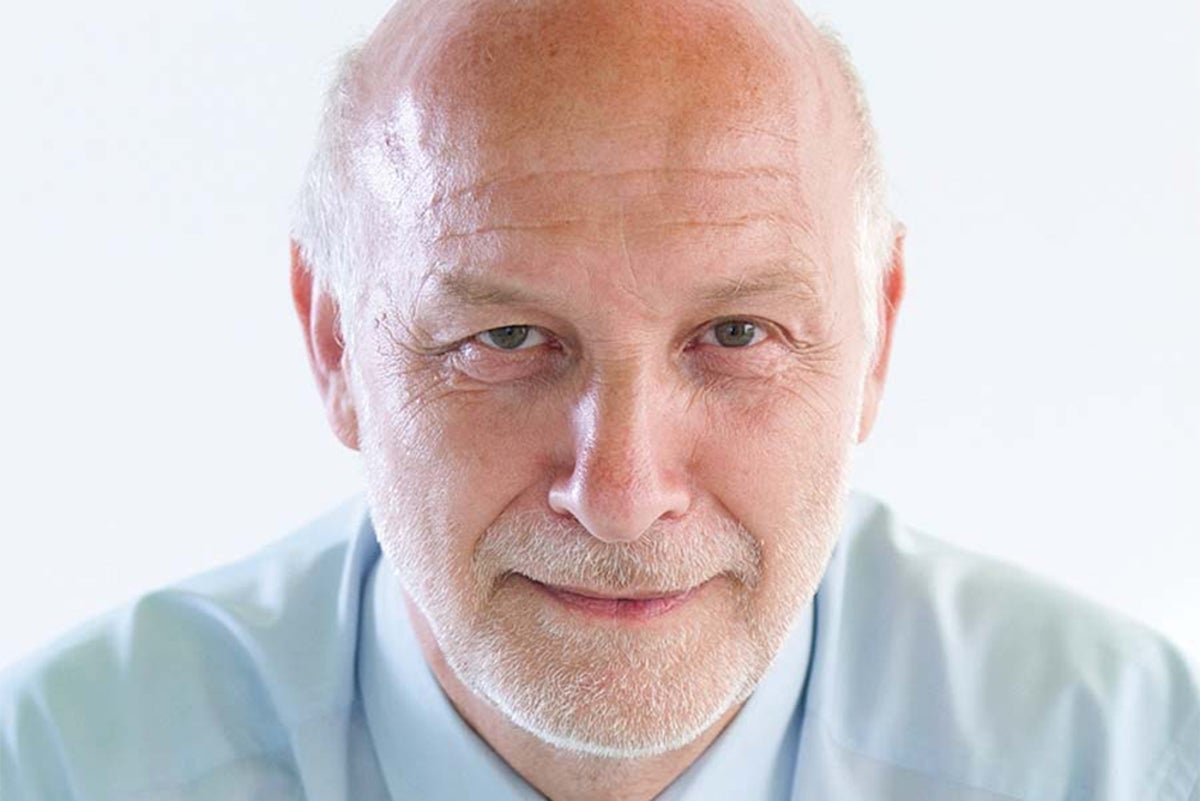
There is no ‘snowflake generation’ – it’s just harder to be young now, says author of mental health review
Key Points
There is no ‘snowflake generation’ – it’s just harder to be young now, says author of mental health review Professor Peter Fonagy believes the NHS is ‘not fit for purpose’, highlighting how young individuals face lengthy waiting lists to access mental health care - Bookmark - CommentsGo to comments Claims that modern youth are part of a "snowflake generation" have been dismissed by the lead author of a major upcoming review into mental health. Speaking prior to the publication of the...
There is no ‘snowflake generation’ – it’s just harder to be young now, says author of mental health review
Professor Peter Fonagy believes the NHS is ‘not fit for purpose’, highlighting how young individuals face lengthy waiting lists to access mental health care
- Bookmark
- CommentsGo to comments
Claims that modern youth are part of a "snowflake generation" have been dismissed by the lead author of a major upcoming review into mental health.
Speaking prior to the publication of the Government-commissioned report into ADHD, autism and mental health, Professor Peter Fonagy insisted that "it’s harder to be young now".
Professor Fonagy told the BBC that there has been a genuine escalation in mental health difficulties among young people, and warned that support urgently needs to be improved.
He told the broadcaster that the NHS is "not fit for purpose" because far too many young individuals face prolonged delays on waiting lists to access mental health care.
His findings will show a clear rise in mental health conditions among children and young people, with approximately one in four 16 to 24-year-olds currently affected.
"They are a generation that has real serious challenges that I would not wish to have had when I was their age,” Fonagy said.
"Adults have let them down. We’re the first generation that probably collectively feels we had a better life than our children will have. So, to the person who says it’s a snowflake generation, just try living 24 hours as a 16-year-old."
He added: "I’m in awe of the way they have adjusted to an environment that is far more difficult than I ever had to face."
Addressing young people directly, Professor Fonagy said: "I want young people to hear that when they feel anxious, depressed or distressed, that it’s a real problem, but a problem we can do something about.
"When I needed help, I got it. I want everyone to have that chance."
The BBC also reported that the study will trace an increase in youth loneliness over the past two decades, linking the concerning trend to mobile phone reliance and social media usage.
Professor Fonagy explained that he wanted to speak publicly ahead of the report’s publication due to wider debate surrounding autism and ADHD.
His comments follow a survey of more than 800 GPs by the magazine Pulse, which revealed that seven in 10 doctors believe ADHD is "overdiagnosed".
Join our commenting forum
Join thought-provoking conversations, follow other Independent readers and see their replies
Comments