
Education
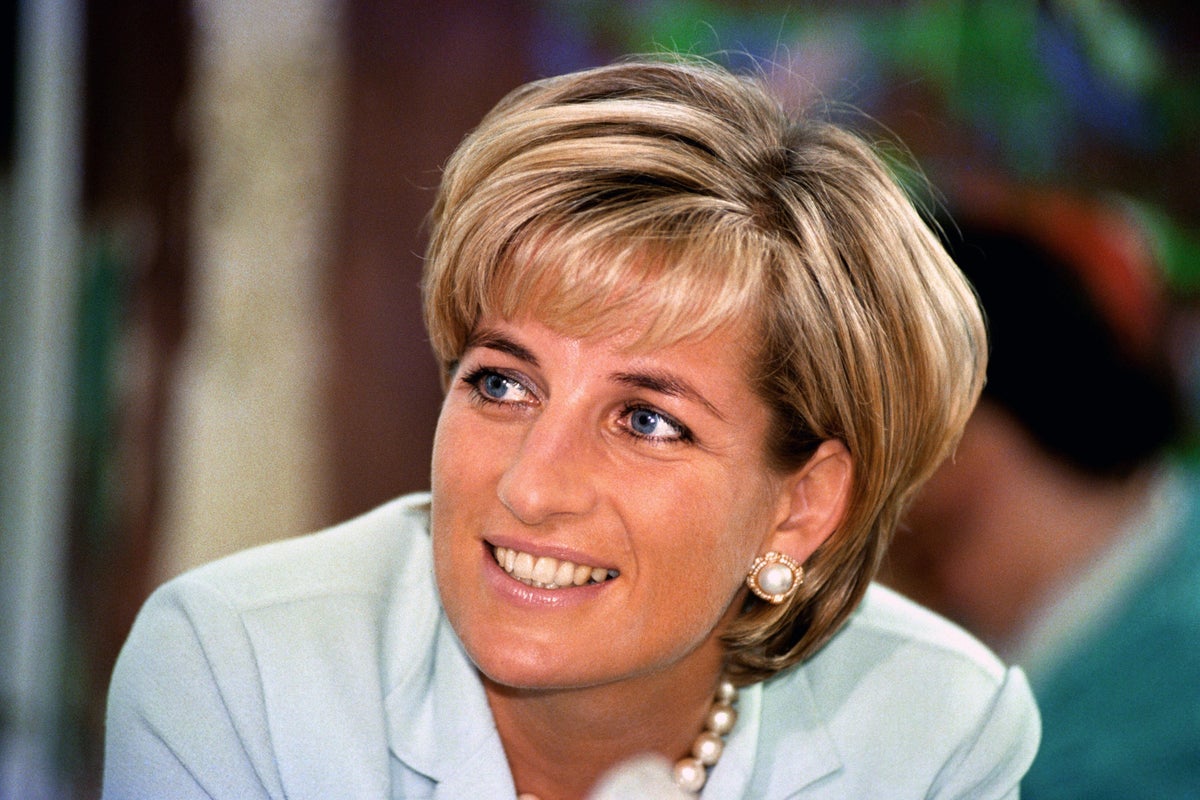
Princess Diana showed ‘key ADHD symptoms’ as a child, Earl Spencer reveals in new memoir
Key Points
Princess Diana showed ‘key ADHD symptoms’ as a child, Earl Spencer reveals in new memoir School reports from Diana’s childhood describe how her ‘lack of concentration’ hampered her progress - Bookmark - CommentsGo to comments Princess Diana displayed “some of the key symptoms associated with ADHD” as a child, according to her brother Charles Spencer’s highly anticipated memoir. Diana’s teachers repeatedly raised concerns about her difficulties with concentration and restlessness but she was...
Princess Diana showed ‘key ADHD symptoms’ as a child, Earl Spencer reveals in new memoir
School reports from Diana’s childhood describe how her ‘lack of concentration’ hampered her progress
- Bookmark
- CommentsGo to comments
Princess Diana displayed “some of the key symptoms associated with ADHD” as a child, according to her brother Charles Spencer’s highly anticipated memoir.
Diana’s teachers repeatedly raised concerns about her difficulties with concentration and restlessness but she was never tested for the condition, the earl wrote in Swan Song: Diana, My Sister.
“It is clear to me that she suffered from learning difficulties,” he wrote, adding that her issues were “poorly understood in England” at the time. “She was never even tested, despite the evidence of significant problems being there from the start,” he wrote.
ADHD, or attention deficit hyperactivity disorder, is a neuro-developmental disorder that begins in childhood and is characterised by persistent difficulties with attention and/or hyperactivity and impulsivity that can affect everyday life, including education and social functioning, according to the NHS.
Symptoms can include being easily distracted, struggling to concentrate or follow instructions, restlessness, and interrupting others.
“Diana had some of the key symptoms associated with ADHD,” Earl Spencer writes.
Her kindergarten teacher, he said, noticed that “her span of concentration in any one activity is short”, and that she found it “particularly difficult to focus during lessons involving passive learning”.
“When bored, Diana would unconsciously get up from her desk, and also had a habit of chipping in to finish other people’s sentences,” he added.
Diana’s difficulties continued into primary school, it appeared, as her teacher from when was five wrote that her “lack of concentration hampers her progress” and referred to her “flibbertigibbet” mind.
At Riddlesworth Hall, where Diana started prep school aged nine, a report said she had “great difficulty in concentrating for any length of time” and “tends to become very restless during lessons”.
Earl Spencer described Diana’s term reports as “pitifully brief”, with teachers pointing out that she struggled with “impenetrable” subjects like French and maths.
Another teacher wrote that Diana “gives up far too easily when faced with difficulties and escapes into a world of her own”, while criticising her for being “far too easily distracted”.
In an interview with the BBC ahead of the book’s publication, the earl said: “We both have ADHD. She was never diagnosed, but clearly we did.”
Later in the book, he wrote that he had come to recognise that he experienced Rejection Sensitive Dysphoria (RSD). He described feeling “a sadness so extreme that it was akin to grief” when written about in the tabloids, adding that knowing it was “baseless” didn’t help either.
“I was consumed by shame and despair,” he wrote, adding that he believed Diana experienced the same thing.
RSD is a term used to describe an unusually intense emotional response to actual or perceived rejection, criticism or failure.
It is often associated with ADHD, although it is not a formally recognised medical condition or an official symptom of ADHD, according to the Cleveland Clinic.
Earl Spencer also wrote about how Diana more than once contemplated about “ending it all” but “her love for her sons stopped her from going further”.
Diana’s youngest son Harry has also talked about attention difficulties, although he has not publicly said that he has ADHD.
During a 2023 live-streamed conversation with the physician and author Gabor Maté, Maté told Harry that, after reading Spare and speaking to him, he had diagnosed him with attention deficit disorder.
Maté said this can be “healed at any age”, to which Harry responded: “Thanks for the free session.”
Maté later clarified that he had not been diagnosing Harry with a disease, saying he regarded what he had identified as “a normal response to abnormal circumstances”.
Swan Song: Diana, My Sister will be released on 22 September 2026.
If you are experiencing feelings of distress, or are struggling to cope, you can speak to the Samaritans, in confidence, on 116 123 (UK and ROI) or visit the Samaritans website to find details of your nearest branch.
If you are based in the USA, and you or someone you know needs mental health assistance right now, call or text 988, or visit 988lifeline.org to access online chat from the 988 Suicide and Crisis Lifeline. This is a free, confidential crisis hotline that is available to everyone 24 hours a day, seven days a week. If you are in another country, you can go to www.befrienders.org to find a helpline near you.
Join our commenting forum
Join thought-provoking conversations, follow other Independent readers and see their replies
Comments