
Science
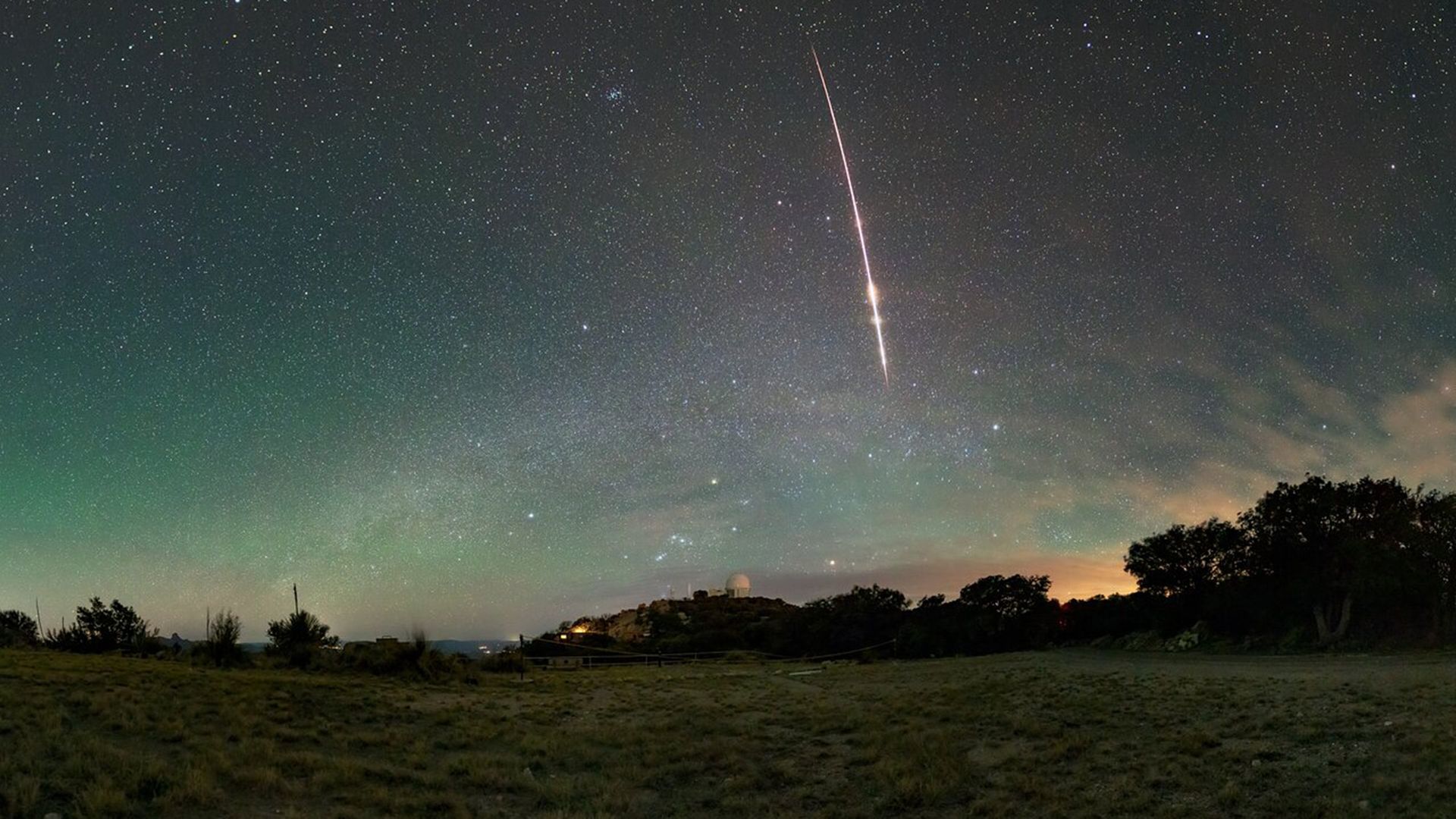
One of the longest-running meteor showers of the year has begun: How to get the best views of the Southern Taurids
Key Points
One of the longest-running meteor showers of the year has begun: How to get the best views of the Southern Taurids The Southern Taurid meteor shower, one of the longest-running meteor showers of the year, is on from now until late November. Here are the two peak nights to watch for. One of the longest-running meteor showers of the year began on Sunday (Sept. 20), as the Southern Taurids start sending occasional "shooting stars" — and, potentially, spectacular fireballs — across the night sky.
One of the longest-running meteor showers of the year has begun: How to get the best views of the Southern Taurids
The Southern Taurid meteor shower, one of the longest-running meteor showers of the year, is on from now until late November. Here are the two peak nights to watch for.
One of the longest-running meteor showers of the year began on Sunday (Sept. 20), as the Southern Taurids start sending occasional "shooting stars" — and, potentially, spectacular fireballs — across the night sky.
The Southern Taurid meteor shower runs from Sept. 20 through Nov. 20, peaking overnight on both Oct. 13-14 and Nov. 4-5, according to the American Meteor Society. Although only about five to 10 meteors per hour can be expected during the shower's peak, the Taurids have a reputation for producing fireballs — very bright meteors that appear as flashes while falling through the atmosphere.
Patience is often rewarded with some of the most impressive meteors of the year, partly because the Southern Taurid meteors strike Earth's atmosphere at the relatively leisurely pace of around 17 miles per second (27 kilometers per second), meaning they can be visible longer than most meteors and leave glowing trails.
The Southern Taurids are associated with a trail of rocky debris left in the inner solar system by Comet 2P/Encke, according to NASA, and they form half of the broader Taurid meteor complex. Their companion shower, the Northern Taurids, becomes active later in the fall, creating an extended period when Earth encounters debris associated with the same complex.
Although meteor activity begins this month, you'll have to wait a little longer to see the Southern Taurids at their best. An early increase in activity is expected around Oct. 13-14, with rates of regular shooting stars potentially slightly stronger than usual this year, while the principal peak for fireballs will arrive around the night of Nov. 4-5.
The sky conditions will be ideal for the Southern Taurids, with a moonless night sky on Oct. 13-14 and an 18%-lit waning crescent moon rising in the early morning on Nov. 5, though you will also need a clear night to see any shooting stars or fireballs. However, the rates will be too low for most urbanites to justify a trip to a dark location.
Southern Taurid meteors appear to radiate from the constellation Taurus, which climbs higher as the night progresses, but there's no need to stare directly at it. Meteors can appear anywhere overhead, so a wide, unobstructed view of the sky is more useful. Stargazing binoculars and telescopes will not help you spot meteors — however, they may come in handy for some of fall's other skywatching treats, including some rare planetary appearances.
Get the world’s most fascinating discoveries delivered straight to your inbox.
Because the shower's radiant lies close to the ecliptic (the apparent path of the sun as seen from Earth), the Southern Taurids are observable from both hemispheres. However, Northern Hemisphere observers generally enjoy more favorable viewing conditions.
Don't expect celestial fireworks; the Southern Taurids are a slow burn. But with brilliant fireballs possible, they're worth keeping an eye on whenever you're outside after dark this fall.
Jamie Carter is a Cardiff, U.K.-based freelance science journalist and a regular contributor to Live Science. He is the author of A Stargazing Program For Beginners and co-author of The Eclipse Effect, and leads international stargazing and eclipse-chasing tours. His work appears regularly in Space.com, Forbes, New Scientist, BBC Sky at Night, Sky & Telescope, and other major science and astronomy publications. He is also the editor of WhenIsTheNextEclipse.com.
You must confirm your public display name before commenting
Please logout and then login again, you will then be prompted to enter your display name.