
Breaking News
Mother prepping for a crisis gives top tips on what to stockpile at home: ‘Who wants to eat tinned spam in an emergency?’
Key Points
Mother prepping for a crisis gives top tips on what to stockpile at home: ‘Who wants to eat tinned spam in an emergency?’ As experts warn Britain’s food supply is at risk, more people are stockpiling supplies at home. Alex Ross spoke to one mother leading a movement of ‘preppers’ in a bid to make their homes more resilient - Bookmark - CommentsGo to comments In her cottage in a rural village in south Wales, Ana says she has stockpiled two months’ supply of food in specially-customised...
Mother prepping for a crisis gives top tips on what to stockpile at home: ‘Who wants to eat tinned spam in an emergency?’
As experts warn Britain’s food supply is at risk, more people are stockpiling supplies at home. Alex Ross spoke to one mother leading a movement of ‘preppers’ in a bid to make their homes more resilient
- Bookmark
- CommentsGo to comments
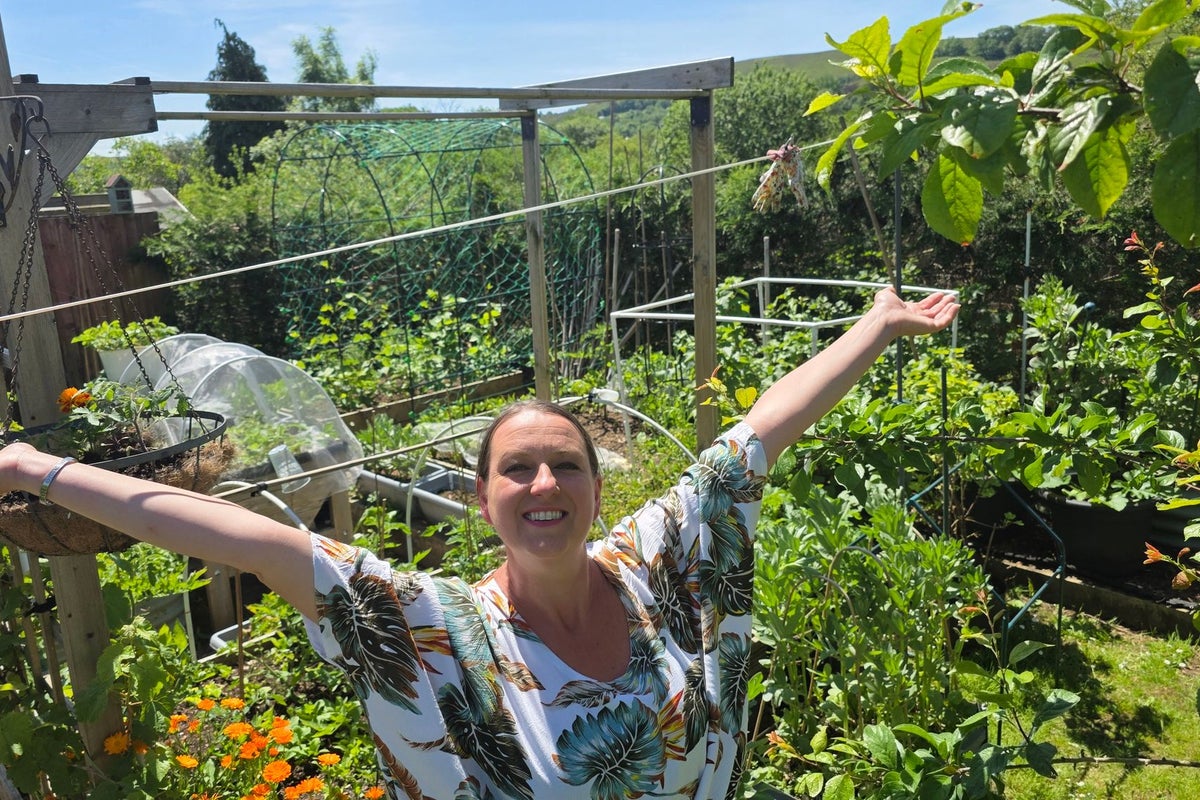
In her cottage in a rural village in south Wales, Ana says she has stockpiled two months’ supply of food in specially-customised cupboards under her stairway.
Along with tins of corned beef and beans, and packets of rice, the 42-year-old mother-of-one also boasts a rotating supply of home-grown vegetables and fruit from her garden. She’s prepared for any scenario – but won’t settle for living on dull food.
“Who wants to be eating tinned spam in an emergency?” she asks.
The entrepreneur is among a growing wave of women quietly stockpiling reserves amid threats to the food supply chain. Three years ago, she set up an online “prepper” community where members share advice on preservation, items to stock and warnings on potential outages.
Today, it has almost 15,000 members.
No longer a derogatory description narrowed down to a man keen on “hunting squirrels and living in a bush”, Ana says it now represents family resilence in the face of modern day threats of war and climate extremes.
And, at its forefront is the rise in “prepper” women, she says.
“Women, like men, want to be able to provide care and security for their family in an emergency,” she says. “I’m not living off-grid or in a bunker with 10 years of food. I’m looking at ways to be a little less vulnerable to what could happen.”
Last month, it emerged that the Cabinet Office was organising a social media campaign calling on people to stock up on tinned food and bottled water in a bid to improve the nation’s resilience in the wake of threats from Russia and the summer’s heatwaves.
The National Audit Office has also warned Britain’s reliance on private companies for food supply meant it was at risk of shortages from the climate crisis. Wars in the Middle East and Ukraine have also been a factor for concern.
The UK’s ATM network, Link, recently published research that showed nearly half of people surveyed had a stockpile of tinned goods.
Ana says the message is getting across, with her Facebook group, the UK Preppers Club, seeing a 50 per cent increase in members since March this year.
“We’re a platform for everyone; women and men,” says Ana, who partly set up the group after being stonewalled by a male-dominated prepper society.
Recent posts on the group show people asking questions on wind-up radios, the rise in price of fuel, first aid kits and food use-by dates.
“I think it’s great people are having these conversations,” says Ana. “The worst thing people can do is follow the government advice by buying some tinned food, leaving it in the back of the cupboard then realising in an emergency they have completely unsuitable rations for a balanced diet.
“Or those who will go and buy a generator, pack it away and never know how to work it.”
For Ana, the idea of prepping started when she was a child in the 1980s when her parents would preserve food for difficult times, such as extreme winter cold.
Today, faced with the worldwide threats of disaster, she has developed the idea further.
In her garden, she has created a 300 sq ft area for growing food with two greenhouses and a raised bed. So far this year she has grown tomatoes, cucumbers, beans and beetroot. She also has a chicken coop for eggs and a tank in the garden for water.
As well as keeping food in her kitchen, she uses the pantry under the stairs to store non-perishable tinned items as well as dried or pickled food she brings in on rotation.
“I see the videos where people are buying tins and tins of random food with no thought about what they will make or taste like. Have you ever tried canned vegetables?” she says. “People need to think through what they need. Yes, you’ll need some tinned food, but what else to provide nutritious food for the family? And it can take time – Rome is not built in a day.”
On her YouTube channel Ana’s Food & Lifestyle and her book How to stock up for an emergency, she provides a list of 20 food items people should stockpile including flour, yeast, corned beef, rice, peanut butter, garlic, stock and dried fruit and vegetables.
Having delved into her stockpile during the Covid pandemic, she says she has not yet faced an emergency yet. However, recent wildfires in the UK, she says, illustrated the vulnerability of communities.
“I don’t want people to be frightened,” she says. “But by taking small steps, families can really support themselves for at least a few days in case of an emergency. Not an armageddon, but a food shortage or a power outage.
“Today, many people you wouldn’t describe as preppers are now quietly putting aside food, growing vegetables or keeping emergency supplies. It’s become a matter of resilence. Because who knows what could happen?”
Join our commenting forum
Join thought-provoking conversations, follow other Independent readers and see their replies
Comments