
Science
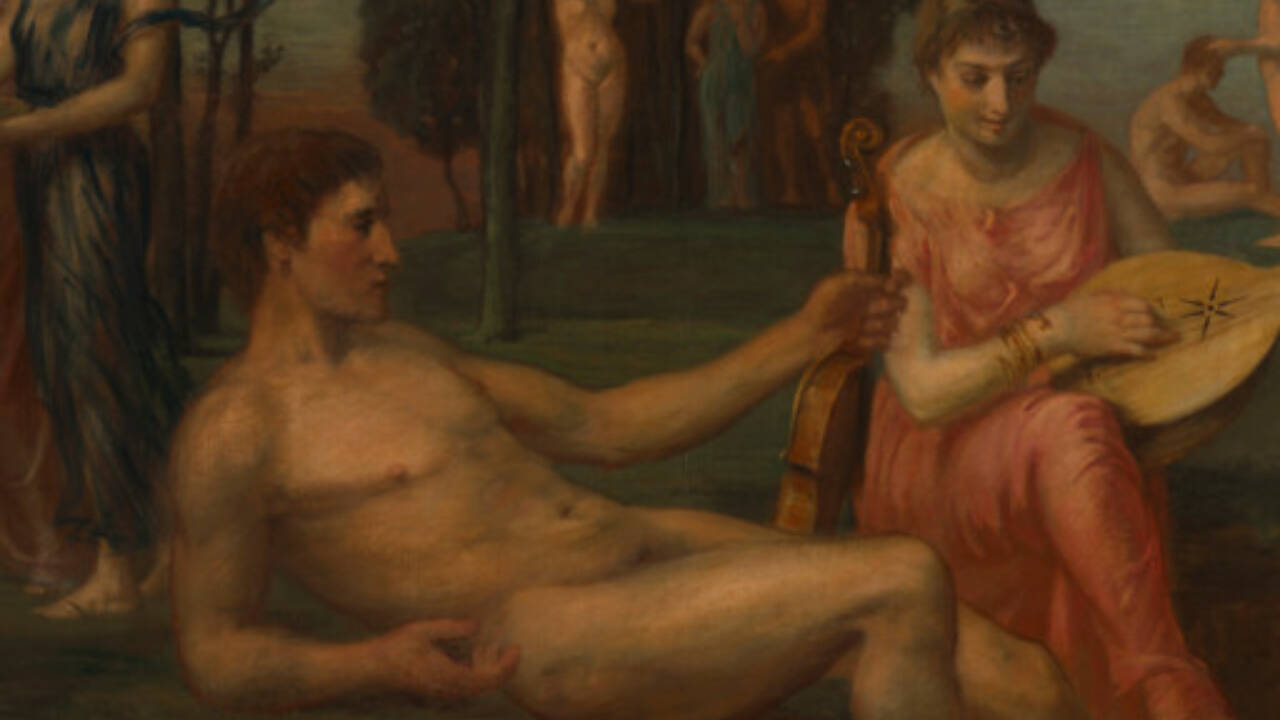
Nazi-seized 1892 painting returned to US heirs after decades
Key Points
More than eight decades after Nazi persecution tore a painting from the home of Sofie Heilbronner, the 19th-century work has finally returned to her family. Its journey from a Munich warehouse to a Bavarian state collection and, eventually, to Heilbronner’s heirs in the United States reflects the long and painstaking process of tracing art displaced during the Nazi eral, states an online report by Pinakothek website. The restitution was marked by a ceremony at the German Embassy in...
More than eight decades after Nazi persecution tore a painting from the home of Sofie Heilbronner, the 19th-century work has finally returned to her family. Its journey from a Munich warehouse to a Bavarian state collection and, eventually, to Heilbronner’s heirs in the United States reflects the long and painstaking process of tracing art displaced during the Nazi eral, states an online report by Pinakothek website. The restitution was marked by a ceremony at the German Embassy in Washington, DC, on September 22, 2026, attended by descendants of Heilbronner.
A painting lost to history
Heilbronner, the widow of a Munich banker, lost the work as a result of racial persecution under the Nazi regime. After the war, its whereabouts remained unclear for decades, leaving the ownership history unresolved. The painting, created in 1892, eventually surfaced in the holdings of the Bavarian State Painting Collections. In 2015, the institution published information about the work on the Lost Art database because its provenance raised the possibility that it had been looted or otherwise displaced during the Nazi period. That public record became an important first step toward determining who had originally owned the painting and how it entered the state collection.
Records reveal the missing trail
A more detailed provenance investigation began in 2020 through the Provenance Research Department of the Bavarian Museum Agency.
Researchers reconstructed part of the painting’s wartime journey and established that it had been transported from a warehouse on Munich’s Lazarettstrasse. It was subsequently taken into the state system through what was described at the time as a transfer of state-owned property by the Bavarian State Office of Asset Management and Restitution.
As per the report, the investigation helped establish that the painting had been seized from Heilbronner in connection with Nazi persecution rather than entering the state collection through an ordinary purchase or legitimate transfer.
Evidence from historic galleries
A breakthrough came through records from two prominent Munich art dealers, Galerie Heinemann and Galerie Hugo Helbing.
The documents provided crucial evidence linking the 1892 painting to Heilbronner and helped confirm her as its former rightful owner. Such gallery records can be particularly valuable in provenance investigations because they preserve information about sales, consignments and previous owners that may otherwise have disappeared from the historical record.
In 2021, the New York State Department of Financial Services Holocaust Claims Processing Office contacted the Bavarian State Painting Collections on behalf of Heilbronner’s heirs after the provenance information and Lost Art listing had been made public.
A family connection restored
As per the same report, the return closes a decades-long gap in the history of a painting that had been separated from its rightful family during one of the darkest periods of European history. It also demonstrates why provenance research remains essential for museums holding works whose ownership histories intersect with the Nazi era. Piecing together old gallery records, government documents, wartime inventories and museum archives can take years, but each discovery can help resolve ownership questions that have remained unanswered for generations.
For Heilbronner’s descendants, the restitution brings a tangible part of their family history back into their hands. For researchers and museums, the case adds another documented chapter to the continuing effort to identify and return art displaced through Nazi persecution.
Image Courtesy: Pinakothek website
Nazi (ORG)
US (LOCATION)
Sofie Heilbronner (PERSON)
Munich (LOCATION)
Bavarian (ORG)
Heilbronner (PERSON)
the United States (LOCATION)
Pinakothek (ORG)
the German Embassy (ORG)
Washington, DC (LOCATION)
the Bavarian State Painting Collections (ORG)
the Provenance Research Department (ORG)
the Bavarian Museum Agency (ORG)
the Bavarian State Office of Asset Management and Restitution (ORG)
Galerie Heinemann (ORG)