
This is an edition of the Books Briefing, our editors’ weekly guide to the best in books. Sign up for it here.
Annie Dillard, who recently died at 81, understood that even in suburban landscapes, one could experience the transcendence and solitude of nature. Reading Diana Saverin’s Atlantic essay about Dillard’s great nature writing made me remember the joy of exploring the wetlands behind my elementary school on the outskirts of Denver, where cottony cattails burst open, crayfish scuttled in the creek, and I could spend hours gazing into a bush, attempting to catch sight of the fairies I was sure lived inside.
First, here are four new stories from The Atlantic’s Books section:
- The confrontation that broke New York
- Six hard-to-find books worth reading
- The book claiming to teach couples how to select their baby’s sex
- “Pinballing,” a poem by Jan Beatty
In her classic book Pilgrim at Tinker Creek, for example, Dillard describes being “knocked breathless by a powerful glance” in an ordinary Virginia backyard: Gazing at a cedar tree outside a home in her neighborhood, she suddenly experienced it as “charged and transfigured.” But her work suggests that to be deeply in nature is to be in some way separated from other humans. Perhaps this is one reason, as Saverin writes, that Dillard’s personal relationships are largely absent from her writing. That’s true in my memories of the wetlands, too: I must have been able to hear passing sirens, or see airplanes overhead, but my memories involve no such intrusions. In fact, I barely remember my fellow students. I know they were there; I remember cajoling one to examine my beloved shrub turned fairy palace. But the images feel solitary.
Dillard captured exactly this sense of observational aloneness. I suspect such selective attention occurs for the same reason that, while looking at a work of art closely, you may cease to notice the museumgoers around you. To view something intensely is to blur your own boundaries, such that you become as much the thing you watch as the person you are.
I understand why, for Dillard and some of her fellow nature writers, other people can be difficult to bring into the frame. They’re an interruption: As soon as someone says your name, you’re no longer immersed. But Saverin, who deeply loves Dillard’s work, still wonders what else she might have achieved by bringing a bit more of human presence into her considerations of the natural world. “Part of the pain of losing someone, and perhaps especially a favorite writer,” she writes, “involves losing what they didn’t choose to make during the time they had.”
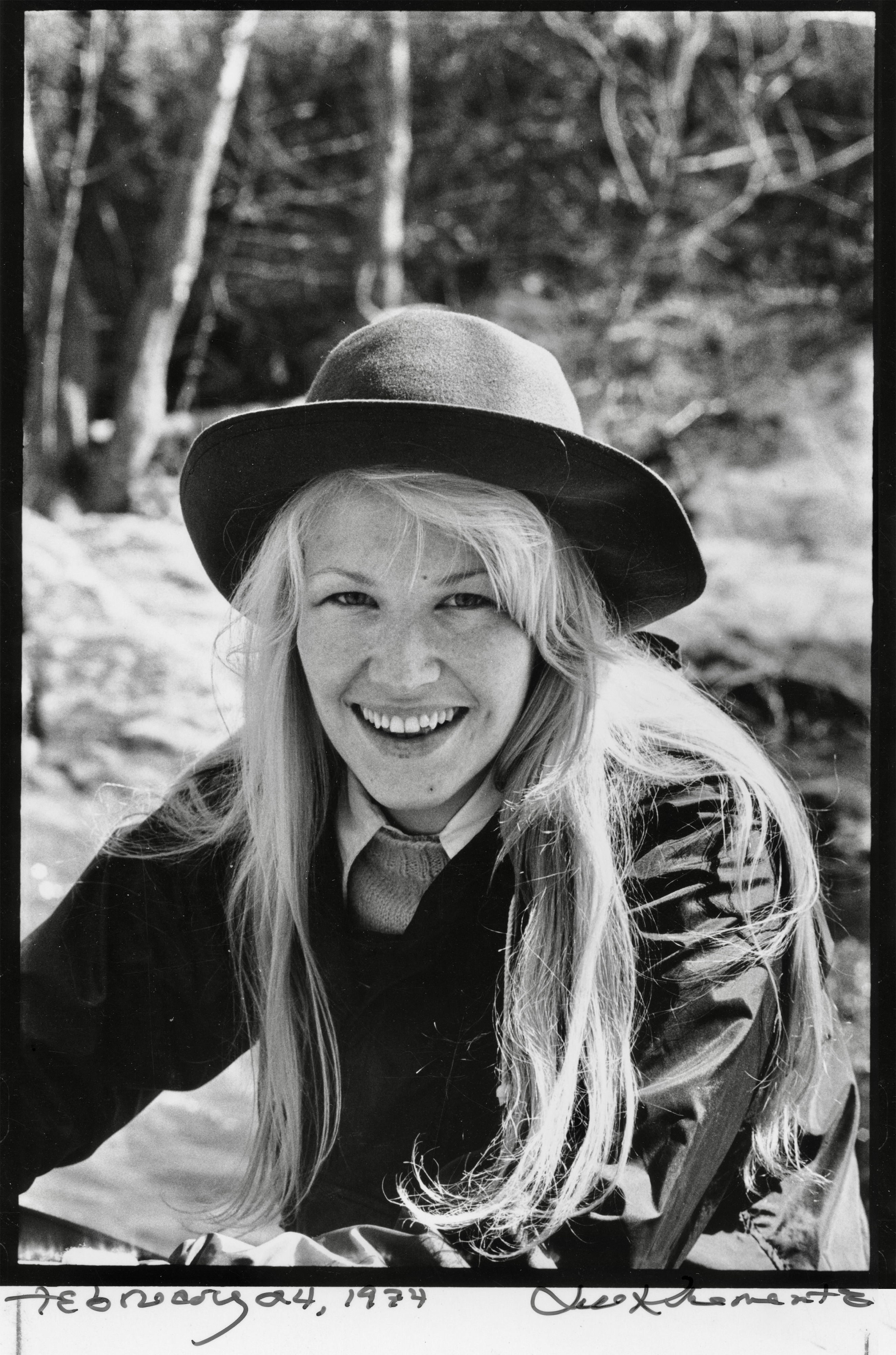
Jill KrementzThe Enduring Mystery of Annie Dillard
By Diana Saverin
Dillard kept much of her personal life carefully outside the scope of her nonfiction.
What to Read
Yesterday’s Burdens, by Robert M. Coates
If Coates survives in historical memory, it’s as a Lost Generation footnote—the man who first introduced Ernest Hemingway to Gertrude Stein. This is an unfortunate legacy, though, for an audacious American literary experimenter whose 1926 debut, The Eater of Darkness, was called “the first Dada novel in English.” Because Coates worked for three decades as The New Yorker’s art critic, something of a painter’s visual language is found in his strange, oblique sentences. My favorite of his novels is Yesterday’s Burdens, of which Stein was an admirer. (“It is so exciting because it is modern,” she declared.) The novel follows the restless Henderson, a young man who wanders Manhattan, visiting speakeasies and crashing parties to keep despair at bay. Coates absorbs the city’s fabulous energies and arranges the tumult into rich, cubist sketches that reproduce overlapping advertising slogans, subway signs, motor cars, and overheard conversations. After being out of print for decades, Yesterday’s Burdens was resurrected in 2020 by Tough Poets Press. Rife with formal oddities and stylistic verve, this masterpiece captures New York in language that still feels fresh nearly a century later. — Dustin Illingworth
From our list: Six hard-to-find books worth reading
Out Next Week
📚 The Floating World, by Ben Eastham
📚 Bad Boy for Life: The Rise and Fall of Sean Combs, by Cheyenne Roundtree
📚 To Jerusalem and Back: A Personal Account, by Saul Bellow
Your Weekend Read
Illustration by Matteo Giuseppe Pani / The Atlantic. Source: Getty.America’s Hypocritical Take on Intellectual Property
By Alex Reisner
Encyclopedia Britannica, the publisher of Chicken Soup for the Soul, and Strike 3, an adult-film company, may not seem to have much in common. But they all agree on one thing: They want payment for the use of their work in training AI models. In the past year, each of them has brought a lawsuit against the big AI companies, claiming that their content was used to train models without permission.
When you buy a book using a link in this newsletter, we receive a commission. Thank you for supporting The Atlantic.
Sign up for The Wonder Reader, a Saturday newsletter in which our editors recommend stories to spark your curiosity and fill you with delight.
Explore all of our newsletters.