
Breaking News
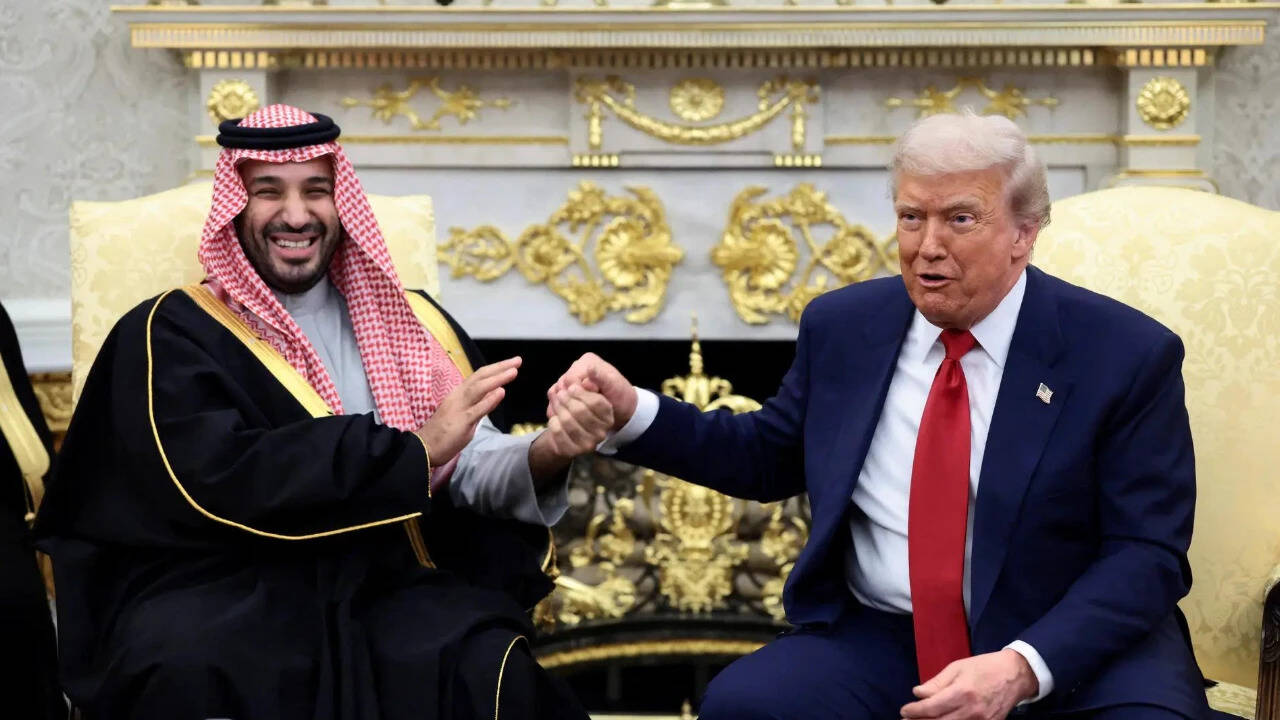
Saudi Arabia has not ruled out developing nuclear weapons, US assessment warns
Key Points
The US Congress has reportedly received a classified intelligence assessment warning that Saudi Arabia has not ruled out developing a nuclear weapons programme, according to a report by The Washington Post. The assessment comes after Washington and Riyadh confirmed in July that they had reached an agreement that could potentially allow Saudi Arabia to develop uranium enrichment capabilities as part of its civilian nuclear programme. The agreement has raised concerns among US lawmakers from...
The US Congress has reportedly received a classified intelligence assessment warning that Saudi Arabia has not ruled out developing a nuclear weapons programme, according to a report by The Washington Post.
The assessment comes after Washington and Riyadh confirmed in July that they had reached an agreement that could potentially allow Saudi Arabia to develop uranium enrichment capabilities as part of its civilian nuclear programme.
The agreement has raised concerns among US lawmakers from both parties and Israeli officials over the possibility that Saudi Arabia could eventually use the technology to develop nuclear weapons. However, the Republican-controlled US legislature does not appear likely to block its implementation.
A group of Democratic senators, led by Massachusetts Senator Ed Markey and Oregon Senator Jeff Merkley, wrote to Secretary of State Marco Rubio on Friday, warning that the departure from established precedent could set in motion a process “that is all but certain to allow Riyadh to acquire the means to enrich uranium and possibly develop nuclear weapons.”
Merkley called the situation “bogus as hell”, arguing that Saudi Arabia’s demands indicated that its nuclear programme could extend beyond civilian purposes.
“If they’ve given up the intent to develop a nuclear weapon, then they’d give up domestic enrichment and reprocessing power, right? They’d accept massive inspections from the IAEA,” he said.
Markey linked his concerns to the ongoing war with Iran, noting that Saudi Crown Prince Mohammed bin Salman had previously warned that Riyadh would seek to develop a nuclear bomb if Tehran did so.
“It is very clear that as this war in Iran continues to unfold, that the Iranians are going to fiercely defend their ability to develop a nuclear weapons program, and as a result, any action that we take in Saudi Arabia will only further accelerate a fallout nuclear arms race in the region,” Markey said.
The Democratic senators’ letter also criticised Trump administration officials whom they said stood to benefit from the agreement.
“Jared Kushner, for example, accepted a $2 billion investment from a Saudi sovereign wealth fund after leaving the White House at the end of the first Trump Administration,” the report said.
“Westinghouse Electric, meanwhile, stands to make tens of billions of dollars if this agreement moves forward. Westinghouse’s majority owner is closely associated with Newmark, the real estate firm run and owned in part by the sons of Commerce Secretary Howard Lutnick.”
Under the agreement, US businesses will participate in developing nuclear power projects in Saudi Arabia, a move expected to boost the US nuclear power industry and strengthen ties between the two countries. The 30-year agreement gives US companies a central role in developing Saudi Arabia’s civilian nuclear infrastructure, largely excluding foreign competitors.
Saudi Arabia will be allowed to enrich uranium to nearly 20 per cent under the agreement, well below the level required to make a nuclear weapon, as cited by The New York Times. However, uranium enriched to that level could be further enriched to weapons-grade material within a relatively short period.
The agreement comes against the backdrop of wider concerns over a potential nuclear arms race in the Middle East. Israel is an undeclared nuclear power, while Iran has long pursued uranium enrichment, one of the reasons the United States attacked Iran in February.