
Technology
My iPhone hit 1,000 charge cycles — Here's how it's holding up
Key Points
My iPhone hit 1,000 charge cycles — Here's how it's holding up What's it like using an iPhone with a "consumed" battery? Here's my experience after three years. You may recall the "batterygate" controversy from 2017, where iPhone users reported that their iPhones noticeably slowed down as the batteries aged.
My iPhone hit 1,000 charge cycles — Here's how it's holding up
What's it like using an iPhone with a "consumed" battery? Here's my experience after three years.
You may recall the "batterygate" controversy from 2017, where iPhone users reported that their iPhones noticeably slowed down as the batteries aged. Apple clarified that this was by design as a way to intentionally manage performance on devices with degraded batteries to keep them from unexpectedly shutting down. Lots of understandable criticism followed, which led to Apple introducing the Battery Health metric and a toggle to override the performance management feature.
Then the iPhone 15 series was the first to display the battery's cycle count in addition to its health. A device completes one charge cycle when it uses 100 percent of its battery capacity, though this doesn't need to be all from one charge. For instance, if your phone goes from 100 to 50 percent, then you charge it back up to 100 percent, a full cycle is completed when the level hits 50 percent again.
The higher your cycle count, the more your iPhone's battery will have chemically aged. Apple says the iPhone 14 series and older models are designed to retain 80 percent of their original battery capacity at 500 charge cycles. The iPhone 15 models and newer double that figure, with their batteries designed to complete 1,000 charge cycles before battery health drops below 80 percent.
Well, my iPhone 15 Pro Max recently hit 1,000 charge cycles and currently reports a battery health of 81 percent. Its battery technically hasn't depleted enough to warrant the "battery service warning" notification in iOS, but I'm noticing the effects of nearly three years of battery wear. The battery capacity of the iPhone 15 Pro Max is rated at 4,422 mAh. I recall it being nearly a two-day battery champ when my phone was still brand new, reaching screen-on times of over 12 hours. These days, though, I'm lucky to make it to the evening without needing to reach for a charger.
Two sloppy iOS releases made the situation worse
The iPhone 15 series came with iOS 17. As a lifelong Android user, I found switching to the iPhone 15 Pro Max refreshing, given how smooth everything was. The charging speed maxing out around 27W wasn't very impressive, but at least the phone lasted me all day. That changed with iOS 18. Plenty of people complained about lackluster performance, bugs and poor battery life. Apple Intelligence features heated the device up and drained the battery even quicker.
Apple eventually ironed out most bugs, but then came iOS 26 in all its Liquid Glass glory. The first few beta builds struggled to run smoothly, but I kept my hopes up that it would improve by the time the stable release rolled around. As it turns out, we had to endure a whole year of iOS 26 slowing down our iPhones and negatively impacting battery life. At this point, I didn't even care about preserving my iPhone's battery health — I just wanted a software experience that didn't suck.
Apple was clearly aware of how poorly iOS 26 ran, because a good chunk of what's new in iOS 27 focuses on performance and stability improvements. App launch times are up to 30 percent faster, photos load up to 70 percent quicker and AirDrop transfers are up to 80 percent faster. Even the first developer beta build I tried was significantly smoother than any stable release of iOS 26 I'd used. My iPhone 15 Pro Max now runs like an entirely different phone.
I still need to plug it in at least twice a day, and it still takes obnoxiously long to top up from 80 to 100 percent, but at least the software is no longer a buggy mess.
The phone is built like a tank
It's kind of a running joke in tech communities how the iPhone looks nearly the same year after year, but Apple does switch bits up, even if that doesn't always involve a complete redesign. With the iPhone 15 Pro series in 2023, it was the move from stainless steel to titanium. Not only did the material look different, but it was also noticeably lighter than before. Apple switched back to a unibody aluminum chassis with the iPhone 17 Pro, citing better thermal performance as one of the main reasons for moving away from titanium.
The new Pro phones may run cooler, but they're also significantly easier to scratch and dent. There are reports of brand-new iPhone 18 Pro devices getting scratched within a few days of regular use. By comparison, the body of my iPhone 15 Pro Max doesn't have a single scratch — and I've mostly used it without a case. Yes, the screen has developed minor scratches over time, but I'm impressed by how the titanium frame and the glass back look nearly brand-new.
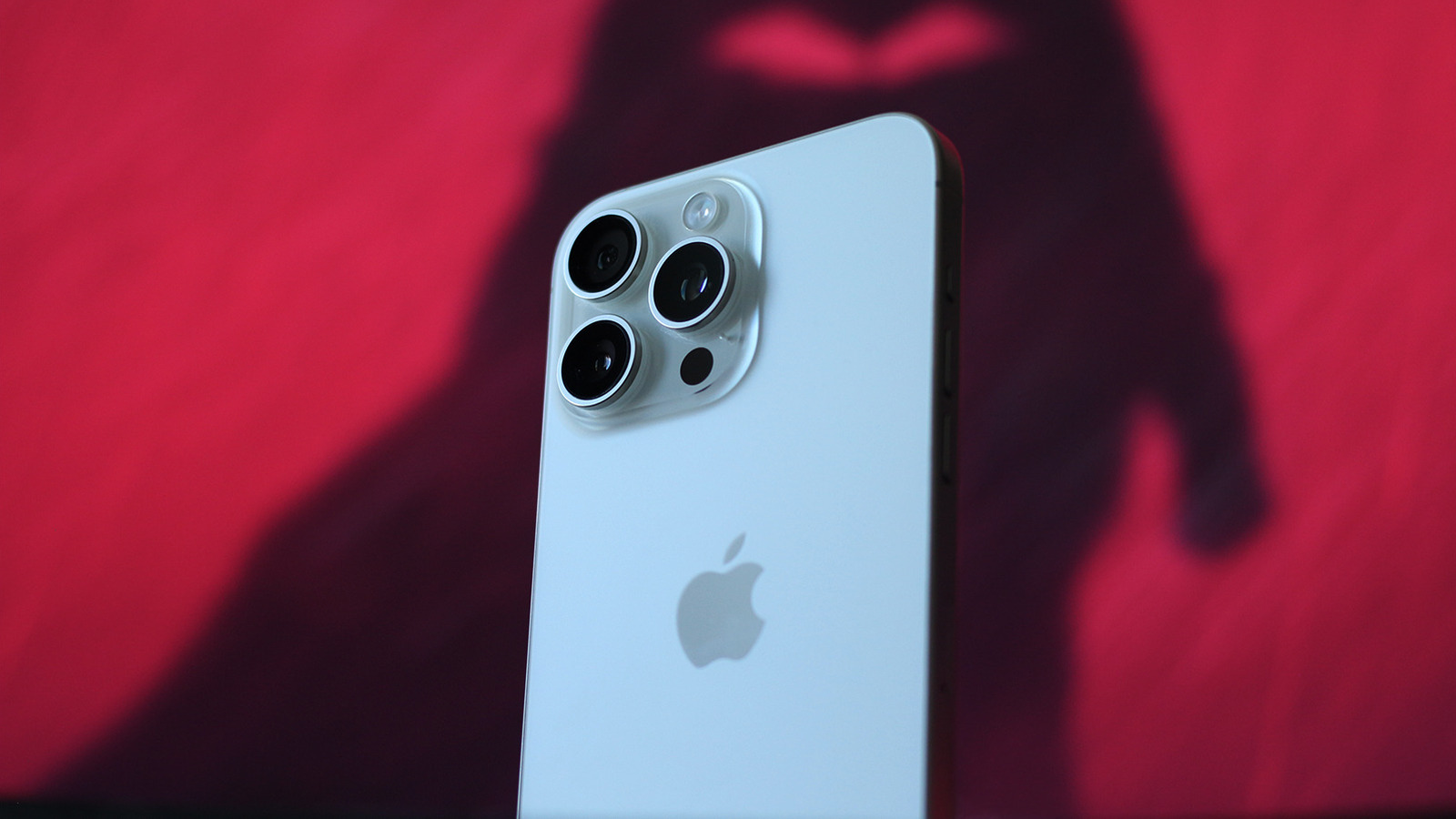
The rest of the hardware has aged well, too. The triple-camera system still takes great photos and videos, the buttons are as clicky as ever and the speakers are some of the best I've heard on a smartphone. Even some of the hardware's limitations that Apple cleverly worked around, like the Dynamic Island, have grown into useful parts of the iOS experience.
Siri AI is also supported on the iPhone 15 Pro models and is one of the few Apple Intelligence features that makes the phone smarter than it was at launch. I'm sure a battery replacement would breathe a few more years of life into my iPhone, especially now that iOS is good again.