
Politics
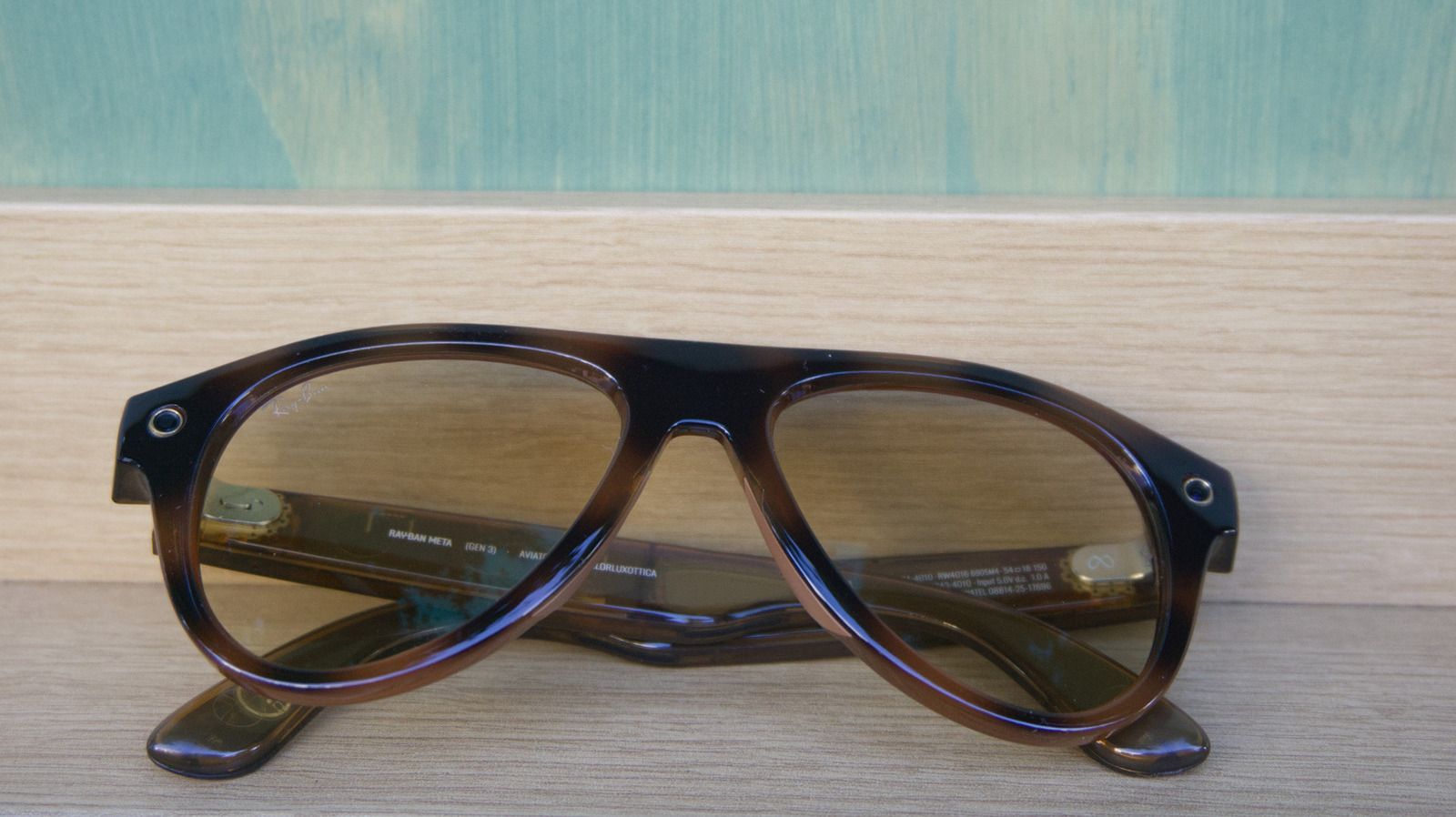
Newsom vetoes smart glasses privacy bill
Key Points
Newsom vetoes smart glasses privacy bill The law would have banned people from using wearables to secretly record others in private areas of businesses. Gavin Newsom, the governor of California, has vetoed a bill that would have prohibited people from secretly record others using smart glasses in certain spaces.
Newsom vetoes smart glasses privacy bill
The law would have banned people from using wearables to secretly record others in private areas of businesses.
Gavin Newsom, the governor of California, has vetoed a bill that would have prohibited people from secretly record others using smart glasses in certain spaces. Those would have included changing rooms and doctors' offices, as the Associated Press notes.
In addition, SB-1130 would have forced the manufacturers of wearables to include an indicator that's on when the devices are recording video or audio (many already do). It would also have banned the sale of tech designed to mask a recording light or sound.
As Newsom put it, "this bill would make it a misdemeanor to operate a wearable recording device to capture sound or video of any other person in any area within a place of business where the person has a reasonable expectation of privacy." He wrote in a letter to the State Senate that certain language used in the bill was too broad. "For example, the bill's definition of 'wearable recording device' could include certain smartwatches or other worn devices widely used in public spaces and capable of recording which could lead to significant confusion and unintended consequences," Newsom added.
As the governor pointed out, California already bans people from using an electronic device to record others in areas where they have a reasonable expectation of privacy. Like some other states, it has a two-party consent law that requires both participants of a conversation (including over the phone) to agree for it to be recorded. Still, more specific legal language could have helped deter people from violating others' privacy using smart glasses. There's a reason why many folks refer to these devices as "pervert glasses," after all.
TechNet, an advocacy group representing a litany of notable tech companies, opposed the law. Had it come into effect, someone found guilty of secretly recording others would have faced fines of up to $1,500 and/or a prison sentence. Companies making wearables without a recording indicator or tech designed to block such indicators would have faced fines of up to $2,500 per violation.