
Politics
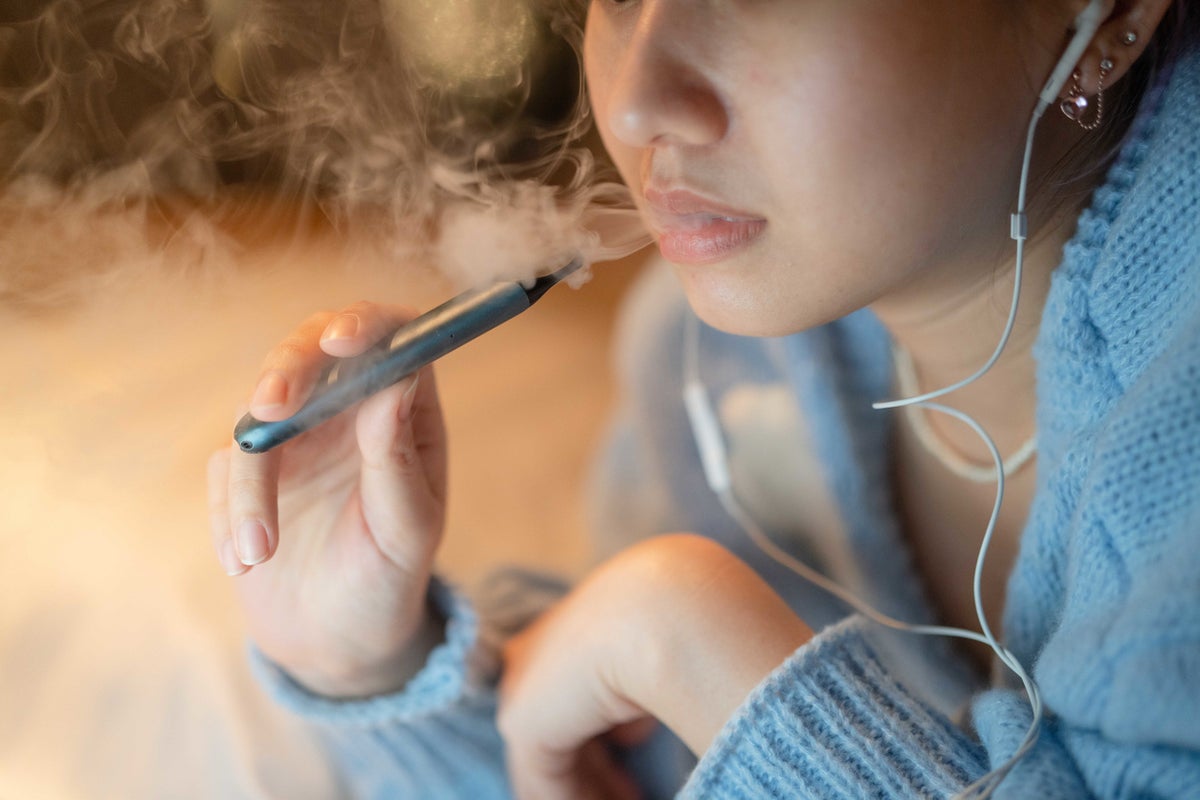
Researchers explain the three things that could prevent half a million children from vaping
Key Points
Researchers explain the three things that could prevent half a million children from vaping Ministers previously announced a raft of measures to ‘crack down on vapes targeting kids’ - Bookmark - CommentsGo to comments Become an Independent member to bookmark this article Already a member? Log in Restricting how vapes are displayed in shops, standardising device designs, and mandating plain packaging could deter thousands of young people from starting to vape, new figures indicate. government...
Researchers explain the three things that could prevent half a million children from vaping
Ministers previously announced a raft of measures to ‘crack down on vapes targeting kids’
- Bookmark
- CommentsGo to comments
Become an Independent member to bookmark this article
Already a member? Log in
Restricting how vapes are displayed in shops, standardising device designs, and mandating plain packaging could deter thousands of young people from starting to vape, new figures indicate.
government ministers set out a series of proposals in July aimed at curbing youth vaping, which include standardised packaging and devices, limits on flavour descriptions, and hiding products from view in retail outlets.
As the public consultation on these policies draws to a close on Friday, the government has released a collection of impact assessments examining the potential outcomes.
One analysis focuses specifically on proposed display bans for vaping and tobacco items in shops across England.
Although major retailers have largely placed display cases behind sales desks on their own initiative, nicotine and vape merchandise remains widely visible throughout the UK, particularly within smaller businesses.
Researchers evaluated how reducing this visibility might lower children's exposure and subsequent willingness to try the devices.
They estimate that implementing display restrictions could prevent more than 500,000 teenagers aged 11 to 17 from being exposed to vaping products.
Hundreds of thousands of children in this age bracket would also not be exposed to heated tobacco products or nicotine pouches while in shops, estimates suggest.
There have been growing concerns about the number of children using nicotine pouches – a 2025 report by the teachers’ union NASUWT found 13% of 4,000 teachers reported their pupils using nicotine pouches during school time.
On experimentation, the authors of the government impact assessment document estimate that restrictions on displays could lead to 38,000 fewer children will try vaping as a result.
The government has also set out plans for vapes to be sold in plain white packaging along with the restriction of flavour names.
The impact assessment states there there is a lack of data specifically on plain packaging for vapes so analysists drew on information from standardised packaging for cigarettes.
“The impact assessment on standardised packaging of tobacco estimated an 11% reduction in the prevalence of ever smoking as a result of restrictions on tobacco packaging,” they wrote.
“If this effect were applied to vaping, and using the 25% prevalence of ever vaping among 11-to-15-year-olds… the prevalence could potentially decrease to 22%.”
Researchers acknowledge that vaping restrictions could also reduce the number of smokers willing to use vapes to quit smoking, but they add: “However, using packaging as an example, preliminary evidence from recent studies, suggests that changes to packaging are unlikely to impact adults’ appeal.”
Leading children’s doctors from the Royal College of Paediatrics and Child Health have called on the government to go further than the current proposals and limit the types of flavours available, not just their descriptions.
Another measure proposed by the government includes for the vape devices themselves to be black, white or grey. Heated tobacco products should be mandated to be made in a “dissuasive colour, likely pantone 448C”, it has been suggested.
The authors of a separate impact assessment highlight previous research which “supports a potential reduction in the number of people being interested in trying a standardised (white) vape, compared to a branded (coloured) vape”.
England’s chief medical officer, Professor Sir Chris Whitty, has said in the past that marketing vapes to children is “utterly unacceptable”.
Join our commenting forum
Join thought-provoking conversations, follow other Independent readers and see their replies
Comments