
Business & Finance
US jobs data boosts stocks as oil prices dip
Key Points
US jobs data boosts stocks as oil prices dip NEW YORK: Major US indices spent most of the day solidly in positive territory following the lackluster hiring data for September. Equities were also supported by a pullback in oil prices after G7 countries agreed to an emergency release of fuel reserves in light of the US-Iran war.
US jobs data boosts stocks as oil prices dip
NEW YORK: Major US indices spent most of the day solidly in positive territory following the lackluster hiring data for September. Equities were also supported by a pullback in oil prices after G7 countries agreed to an emergency release of fuel reserves in light of the US-Iran war.
Data showed that employment in the United States grew by 29,000 jobs in September, missing analysts' expectations of around 90,000, with the unemployment rate rising slightly to 4.2 per cent.
The jobs report "is lousy for the economy, but could keep the Fed from making trouble, and so the market was pretty good with it," said Chris Low of FHN Financial.
"Today's report may revive the 'bad news is good news' narrative, but hoping for a weaker labor market just to secure easier financial conditions is a poor tradeoff," said eToro analyst Bret Kenwell.
Following a positive day on European bourses, the S&P 500 finished up 0.7 per cent, with 10 of 11 sectors in positive territory.
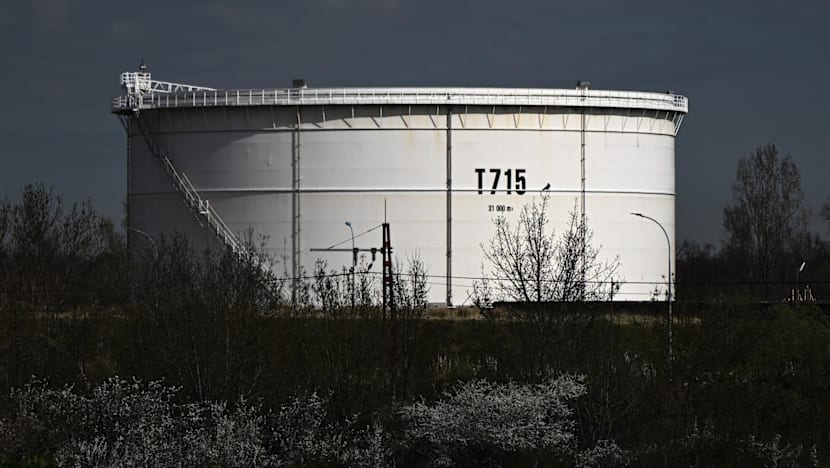
Oil prices, meanwhile, retreated as G7 leaders held a video conference chaired by French President Emmanuel Macron, while the United States stepped up pressure on Europe to release strategic reserves and threatened a diesel export ban.
The seven countries agreed to a coordinated release through the International Energy Agency of 100 million barrels "to begin immediately over four months, including a frontloaded substantial diesel release within the first 20 days," the leaders said in a statement released by Macron's office.
They also said there would be no ban on diesel exports between them.
US oil prices dropped sharply - as much as five per cent at one point, before recovering somewhat. The US benchmark finished down around two per cent at US$91.11 per barrel.
International benchmark Brent crude edged down just 0.1 per cent to US$102.25 a barrel, with traders still focused on the prolonged US-Iran conflict.
"Diesel is now a macro problem as much as an energy one, feeding directly into freight, food, industry, inflation and ultimately bond yields," noted Stephen Innes of SPI Asset Management.
"Strategic stock releases can cool the immediate price shock, but drawing down insurance ahead of winter is hardly a comfortable signal," he added.
Elsewhere, Eurozone inflation surged to 3.8 per cent in September, the highest level in three years, as the war in the Middle East fuelled a jump in energy costs, official data showed Friday (Oct 2).
Among individual companies, Nike dropped 3.6 per cent as it projected a decline in full-year sales and announced plans to cut an undetermined number of jobs while attempting to accelerate a turnaround.