
Politics
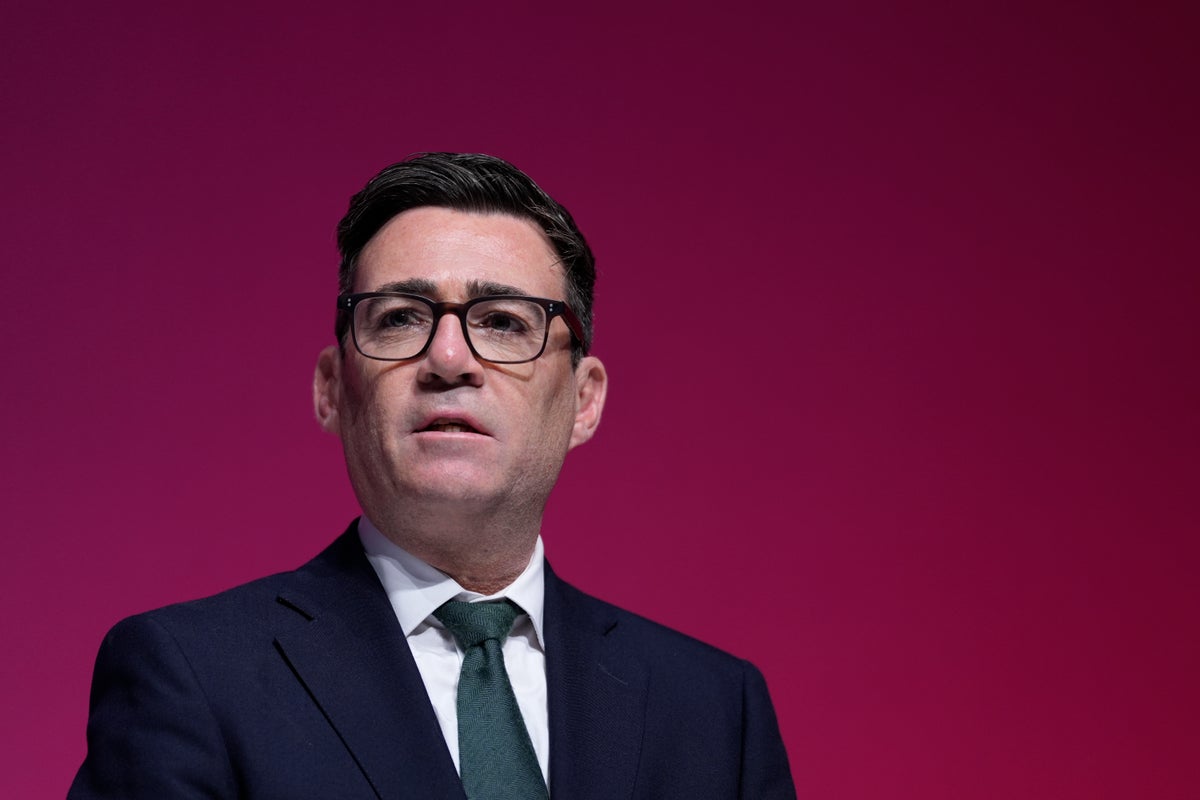
Scottish independence referendum not on the table, minister insists after Burnham’s Brexit pledge
Key Points
Scottish independence referendum not on the table, minister insists after Burnham’s Brexit pledge Fresh questions over Scottish independence come after first ministers of the UK’s three devolved nations met in Cardiff last month to declare jointly that ‘Westminster’s time is coming to an end’ - Bookmark - CommentsGo to comments Become an Independent member to bookmark this article Already a member? Log in The government will not be entertaining the prospect of a second Scottish independence...
Scottish independence referendum not on the table, minister insists after Burnham’s Brexit pledge
Fresh questions over Scottish independence come after first ministers of the UK’s three devolved nations met in Cardiff last month to declare jointly that ‘Westminster’s time is coming to an end’
- Bookmark
- CommentsGo to comments
Become an Independent member to bookmark this article
Already a member? Log in
The government will not be entertaining the prospect of a second Scottish independence referendum, a minister has suggested, despite Andy Burnham opening the door to a second referendum on membership of the European Union.
Justice secretary Alex Norris said he “wouldn’t link the two things” when asked if conversations about a redo of the Brexit referendum means the same could happen with Scottish independence.
It comes after Mr Burnham admitted he is open to reversing Brexit, insisting he could go “all the way” in proposing to rejoin the European Union.
Asked whether the government would be open to re-opening the debate over Scottish independence, Mr Norris told Sky News: "I wouldn't link the two things. You know, one of those questions is about our forward-looking engagement with our European partners to get the best of the country.
“That’s different to the question of the union. You know, you've seen again what the prime minister said about that very strongly: that we we believe in the Union and that we will safeguard it. But I wouldn't link the two particularly.”
Pressed on whether the government is interested in reopening that debate, he said: “Well, I recall it being said that that was a generational debate on that on that day, and you know the the answer was the answer.”
Speaking during the Labour Party Conference last week, the prime minister, who has blamed Brexit for a decade of drift and division, declared it was “not good enough” simply to leave the issue of the EU “hanging”.
Asked whether he wanted the UK to rejoin the bloc, he told the BBC’s Today programme he wanted to look at the “pros and cons” of all options regarding the UK’s future relationship with Brussels, with one of the options being to “go all the way” and resume full membership.
“We could stay as we are. That’s definitely an option, if people think this is the right place to stay,” he told the programme.
“We could look at what George Osborne has said about a customs union, we could look at what the Liberal Democrats said at their conference about the single market or we could go all the way.”
Mr Osborne told The Independent that Brexit “has been a mess” and that while returning to the EU would be difficult, rejoining the customs union would help alleviate some of the pressure on the UK economy.
Fresh questions over Scottish independence come after first ministers of the UK’s three devolved nations met in Cardiff last month to declare jointly that “Westminster’s time is coming to an end”.
The memorandum of understanding signed by Mr Swinney, along with Plaid Cymru leader Rhun ap Iorwerth and Sinn Féin vice president Michelle O’Neill, aimed to pressure the prime minister into agreeing to hold independence referendums.
Mr Swinney had said during the Holyrood election campaign earlier this year that he would seek to push forward with plans to achieve independence if the SNP was voted back into power.
He claimed the movement for self-determination in Scotland is “gathering pace” and he argued there was a growing acceptance on all sides that Westminster’s position of vetoing democracy was unsustainable.
Join our commenting forum
Join thought-provoking conversations, follow other Independent readers and see their replies
Comments