
UK News
‘My shop was robbed at gunpoint – I still don’t feel safe after the Nottingham balaclava ban’
Key Points
‘My shop was robbed at gunpoint – I still don’t feel safe after the Nottingham balaclava ban’ While the measure is hoped to make local communities safer, residents are calling for further action - Bookmark Become an Independent member to bookmark this article Already a member? Log in “Three men came in, with their faces covered,” Inderjit Kaur said. “They had guns and a knife, and told us to open up the till – it was terrifying.”
‘My shop was robbed at gunpoint – I still don’t feel safe after the Nottingham balaclava ban’
While the measure is hoped to make local communities safer, residents are calling for further action
- Bookmark
Become an Independent member to bookmark this article
Already a member? Log in
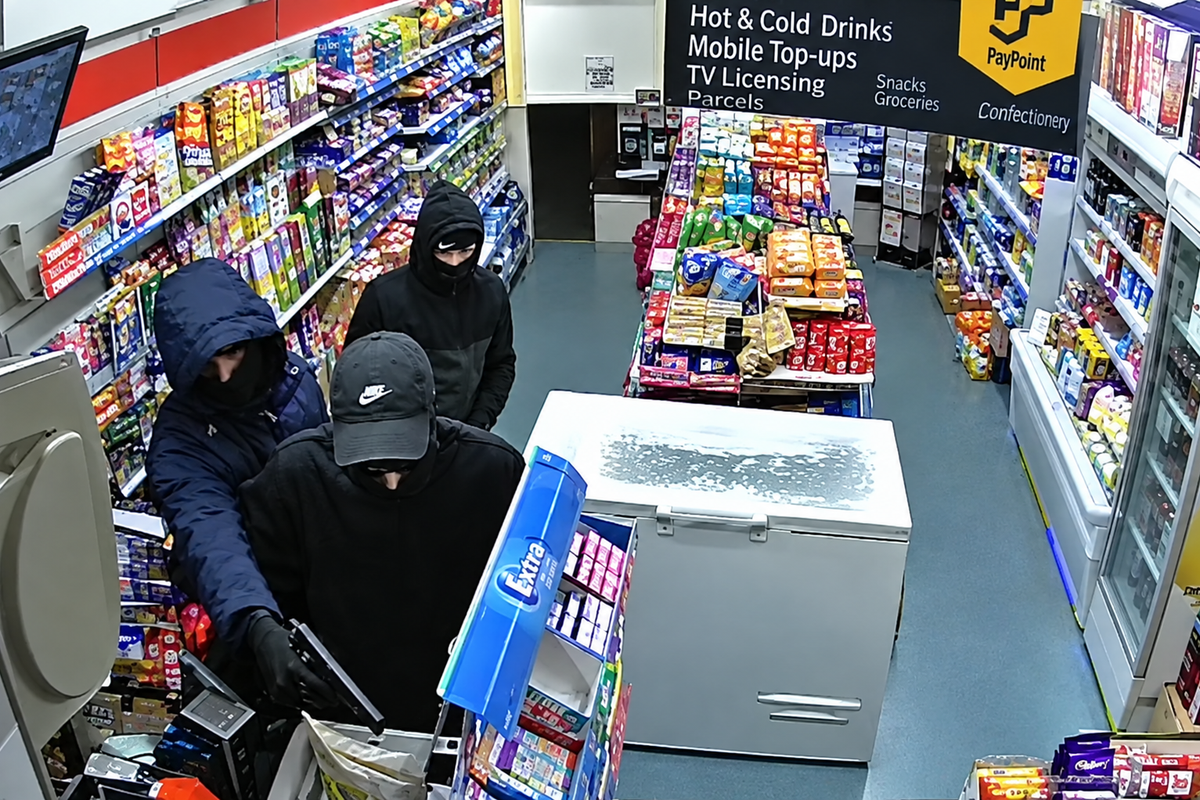
“Three men came in, with their faces covered,” Inderjit Kaur said. “They had guns and a knife, and told us to open up the till – it was terrifying.”
For the owner of Deepak Foodstore in Nottingham, the robbery of her local convenience store three years ago was nothing short of traumatic.
Describing how the thieves restrained her elderly husband and threatened him with an imitation gun before ransacking the couple’s shop, her fears that a masked offender may break into her workplace again have not faded since.
While restrictions have recently been placed on wearing balaclavas in the city, Ms Kaur told The Independent the measure does not go far enough to make her feel secure.
“We need more support – crime in Nottingham is getting worse,” she said. “I still don’t feel safe. The police need to do more.”
Although the three masked men who targeted her store were caught and received prison sentences, Ms Kaur insists justice on paper has not repaired the damage left behind. “We didn’t get anything back,” she added. “The robbers caused so much damage – there needs to be more done to stop crime happening.”
Lifelong resident Rayan Malik, who said he was mugged last year by masked offenders, agreed while banning face coverings addresses a critical gateway for street crime, further action is needed.
“Honestly, I think the ban is really needed. It’s absolutely justified,” Mr Malik said. “From my personal experience, people wearing balaclavas do just seem more comfortable committing a crime because nobody knows who they are. It’s such a problem that now we have kids stealing and thinking they won’t get caught.”
But Mr Malik stressed physical enforcement is only part of the solution: “Do I think it’s everything we need?
“Not at all. We definitely need way more resources going toward keeping children in school, and making sure that we have support for the young people who have missed out and are now turning to crime.”
Under the new restrictions – introduced through a partnership between Nottingham City Council and the county’s police – officers can now issue £70 fixed penalty notices to anyone refusing an instruction to remove a face covering in the city.
The policy comes after more than 180 recorded incidents in Nottingham’s city centre over the past year involved masked offenders hiding behind what officers called a "veil of anonymity". Exemptions remain in place for medical, religious, or extreme weather reasons.
City commander superintendent Chris Pearson warned enforcement teams will now seek to actively target those exploiting public anonymity: “This is all about disrupting criminality. I can't be clearer – we don't want you in our city centre if you are going to cause these problems. Residents have had enough. Businesses have had enough.”
Nottingham’s overall crime rate sits roughly 50 per cent above the national average for England and Wales, meaning the city hosts some of the highest levels of criminal activity in the East Midlands.
It is local business owners who are feeling the brunt of this trend, said Ms Kaur – robberies in the city have surged by over 60 per cent in the last year, with retail theft accounting for more than 14,000 reported offences across the county.
The local debate reflects broader national scrutiny turning toward public anonymity. Beyond everyday street crime, police forces across the UK face mounting challenges from masked groups at public demonstrations – where groups such as Patriot Platform, led by Danny Tommo, have encouraged supporters to don balaclavas during disruptive protests.
While local leaders in areas including Newark and Birmingham have applauded the precedent set by the city’s ban, residents and youth advocates continue to stress it will not solve underlying issues.
Aiza Sheikh, 23, who recently moved away from Nottingham, said: “This is a great city, but some parts of it are unsafe.
“Getting someone to take off their balaclava isn’t going to solve everything. We need to focus on making sure that people aren’t getting into crime in the first place.”
Dr Marcellus Baz, founder of Switch Up – an organisation supporting young people and families affected by crime across the city – acknowledged while the ban is a “step in the right direction”, it is not the “whole solution”.
“If we want lasting change, we have to understand why some young people are becoming involved in crime and antisocial behaviour in the first place,” he stressed.
“Youth crime and antisocial behaviour are often symptoms of deeper issues,” he explained, citing trauma, poverty, exclusion, and a lack of opportunity as contributing factors to crime.
“We need strong local ecosystems where police, schools, youth services, councils, health services and trusted community organisations work collectively around young people and families.”
While Nottinghamshire Police told The Independent that the success of the ban is yet to be seen, it added: “This is all part of Operation Reclaim, a partnership approach to tackling the major issues impacting the city centre including youth anti-social behaviour, illegal e-bikes, drug dealing, rough sleeping, weapon carrying and retail crime.
“Anti-social behaviour in the city centre has reduced by 42 per cent since the inception of Operation Reclaim.”
[Image text:] Hot & Cold Drinks
Mobile Top-ups
Snacks
TVLicensing
Groceries
Parcels
PayPoint
Confectionery