
Education
Why some parents still cover children’s books with brown paper
Key Points
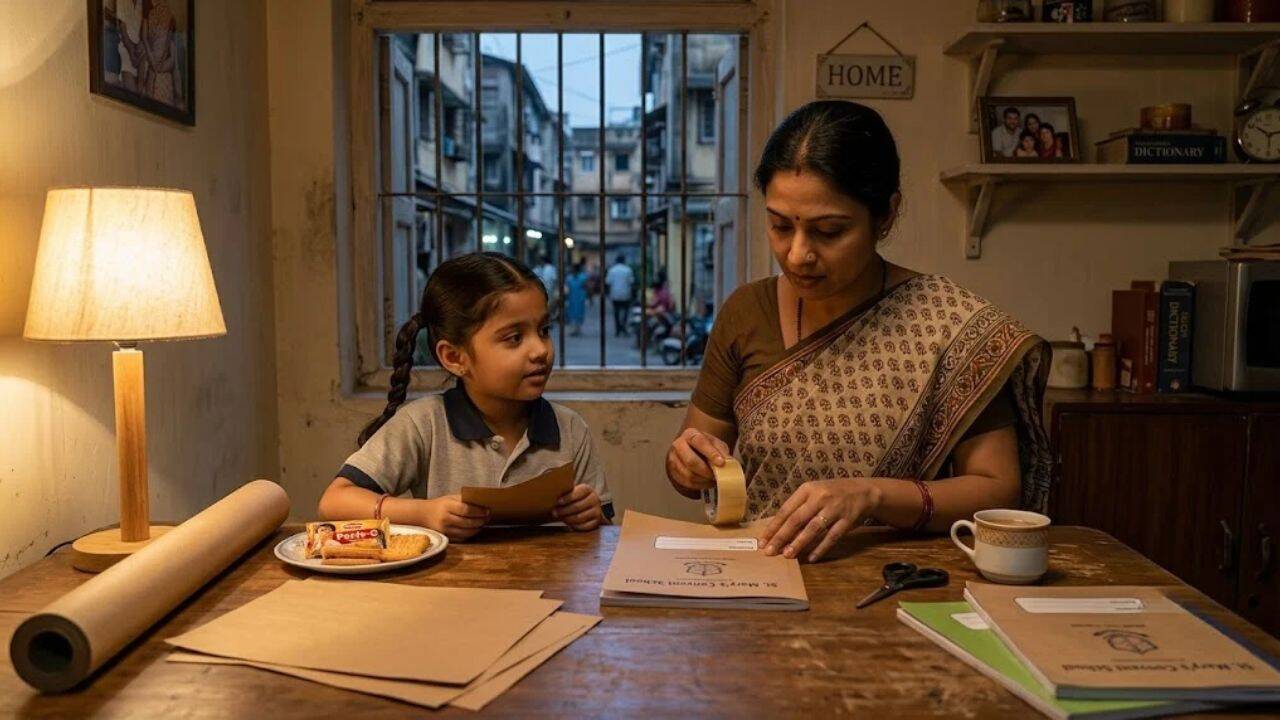
Every year, as schools reopen, many parents return to a familiar routine. New textbooks and notebooks are bought, names are written on the first page and the books are carefully covered with brown paper. For some families, this is simply a practical way of protecting schoolbooks.
Every year, as schools reopen, many parents return to a familiar routine. New textbooks and notebooks are bought, names are written on the first page and the books are carefully covered with brown paper. For some families, this is simply a practical way of protecting schoolbooks. But for others, the habit may have become something more meaningful. Even when schools no longer require brown-paper covers and children have access to plastic covers, digital notes and other learning materials, some parents continue with the tradition. Psychology suggests that repetitive actions can sometimes take on the qualities of rituals, particularly when they provide a predictable sense of order during periods of uncertainty.
That does not mean every parent who covers books is anxious, overly controlling or nostalgic. There is no research showing that brown-paper book covering itself is a psychological ritual. Rather, research on rituals, perceived control and attachment to possessions offers some clues about why familiar routines can feel satisfying and emotionally important.
5 Oct 2026 | 12:06
Parents, when your child refuses to greet relatives, do you make them say hello or respect their choice?
Psychology says rituals can make uncertain moments feel more manageable
A new academic year brings several changes. Children may enter a new class, meet new teachers, face different expectations or even move to a new school.
Parents, meanwhile, have little control over how the year will unfold. They cannot decide whether their child will enjoy the new class, make friends easily or perform well in every subject. But they can make sure the books are covered, labelled and ready. This is where the broader psychology of ritual behaviour becomes relevant. Research has examined why people sometimes repeat predictable actions when facing uncertainty. One study published in
Cognition found that ritualised actions can influence people's feelings and perceptions of control, although the effects are not universal and should not be interpreted as proof that rituals always reduce anxiety.
For a parent, the sequence can be simple: buy the books, cover them, write the child's name, arrange them and place them in the schoolbag. There is a clear beginning and an equally clear end. The books are ready. That visible result may provide a small sense of order at a time when much of parenting involves uncertainty. The brown paper, therefore, may be less about the paper itself and more about completing a familiar task that makes the new school year feel organised.
The books may also become symbols of care
Parents often express care through practical actions rather than words. Preparing a child's schoolbooks may be one of those everyday acts. Spending time covering a textbook, reinforcing its corners or making sure every notebook is properly labelled is a small investment of time and attention. The parent may not consciously think of the activity as an expression of affection, but the action is connected to preparing the child for school. This also connects with research into children's relationships with possessions. A study by psychologists Jennifer Dyl and Seymour Wapner, published in the
Journal of Experimental Child Psychology, examined how children and teenagers attach meaning to cherished possessions. The researchers found that possessions can have emotional, social and identity-related functions as children grow.
Later research reviewing the field of childhood object attachment similarly found that possessions can contribute to children's social lives, identity development and feelings of security. A schoolbook is obviously different from a favourite toy or treasured possession. But the broader idea is useful: everyday objects can acquire meanings beyond their practical purpose. A textbook can become associated with a particular school year, a child's achievements, a stage of growing up or the effort a parent has invested in education. For some parents, protecting the book may therefore feel like protecting something connected to their child's progress.
Brown paper can also connect parents to their own childhood
There may be another explanation for why the tradition survives: familiarity. Parents who covered their own books with brown paper as children may repeat the same practice with their sons and daughters. The action creates a small link between their childhood and their child's present. This is where nostalgia can enter the picture, although it should not be assumed in every case. Psychological research on possessions has long explored how objects can become connected to identity and personal memories. Russell Belk's influential theory of the "extended self" argues that possessions can contribute to how people understand and express their identities.
A child's schoolbook may not be an important possession in itself, but the objects surrounding childhood can carry memories and associations. For a parent, covering a book in the same way their own parents once did can therefore become a quiet form of continuity. It may also reinforce a parent's sense of identity. Being the person who prepares the schoolbag, labels the books and makes sure everything is ready can become part of what being a caring and responsible parent looks like.
It does not mean every parent is old-fashioned
It would be a mistake to read too much into one household habit. Some parents may cover books because brown paper is inexpensive and easy to replace. Others may prefer it because it keeps books clean and protects them from wear. Some may simply be following a routine they have never had a reason to change. Psychology can help explain why repetitive behaviours and meaningful objects sometimes become emotionally significant, but it cannot tell us what an individual parent is thinking simply by looking at their child's schoolbooks.
The brown-paper cover may be practical for one parent, nostalgic for another and completely routine for someone else. Perhaps that is what makes the tradition interesting. What looks like a small school-preparation task can sometimes carry several layers of meaning: organisation, care, familiarity, identity and a comforting sense that at least one small part of the new school year is ready to begin.