
Science
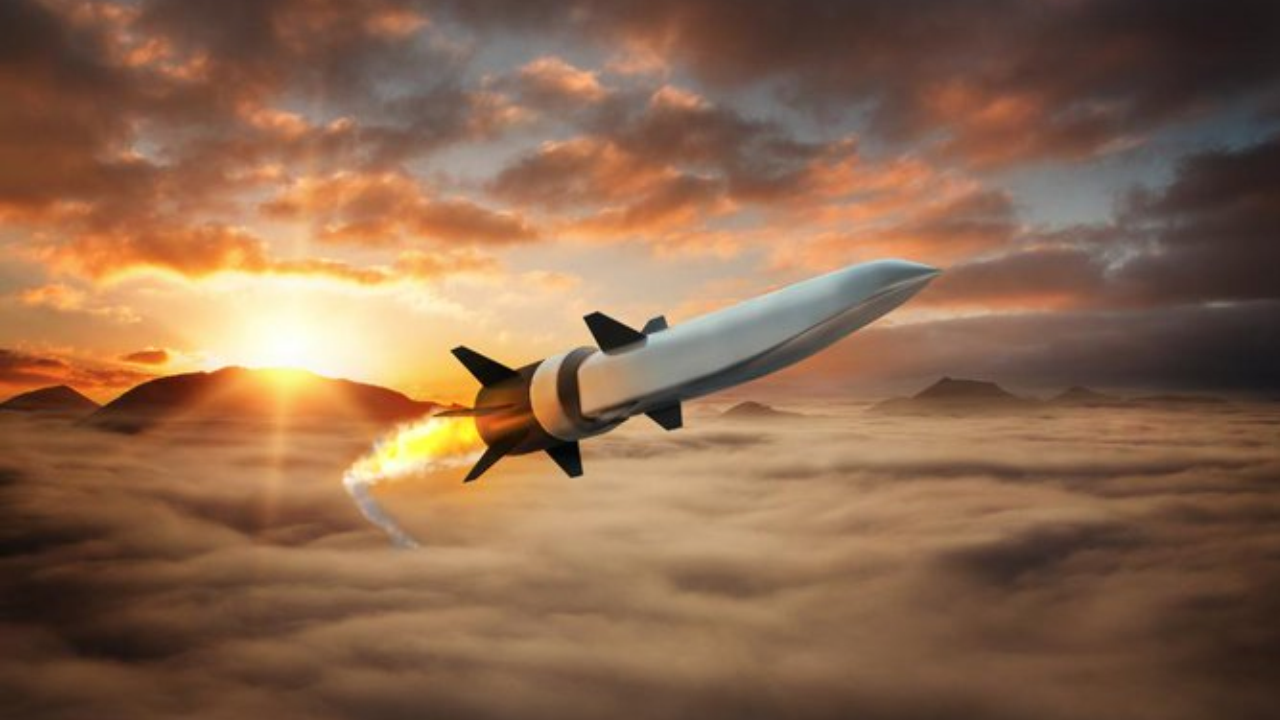
From US' HACM to India's BrahMos-II: The world's hypersonic arms race heats up
Key Points
From US' HACM to India's BrahMos-II: The world's hypersonic arms race heats up The US Air Force's Hypersonic Attack Cruise Missile has commenced its flight-test phase in Australia. This program has faced delays, prompting a reduction in overall testing plans to adhere to schedules. Developed alongside the Royal Australian Air Force, it aims for rapid acquisition decisions by 2027.
From US' HACM to India's BrahMos-II: The world's hypersonic arms race heats up
The US Air Force's Hypersonic Attack Cruise Missile has commenced its flight-test phase in Australia. This program has faced delays, prompting a reduction in overall testing plans to adhere to schedules. Developed alongside the Royal Australian Air Force, it aims for rapid acquisition decisions by 2027. India's hypersonic ambitions are also advancing, recently highlighted by successful testing of a scramjet vehicle.
The US Air Force's scramjet-powered Hypersonic Attack Cruise Missile (HACM) has finally reached the flight-test phase, with at least one release carried out over a test range in Australia. The programme has suffered significant delays, prompting the Air Force to scale back its overall testing plans in an attempt to keep it on schedule. Its stated goal is to decide whether to begin rapid acquisition of the missile by 2027.HACM has been developed jointly with the Royal Australian Air Force, partly under the broader US-Australian Southern Cross Integrated Flight Research Experiment (SCIFiRE), while also drawing on the Defense Advanced Research Projects Agency's (DARPA) earlier Hypersonic Air-breathing Weapon Concept (HAWC) project. Raytheon, now RTX, working alongside Northrop Grumman, was selected to develop the missile in 2022. The weapon has reportedly since been designated AHM-4A under a new branch of the US military's joint nomenclature system.Two-stage, air-breathing hypersonic designs of this kind have been tested before, including Boeing's scramjet-powered X-51 Waverider and the HyFly 2 vehicle, both of which used a waverider configuration to skip across their own shockwaves for additional lift.
End of Article