
Environment
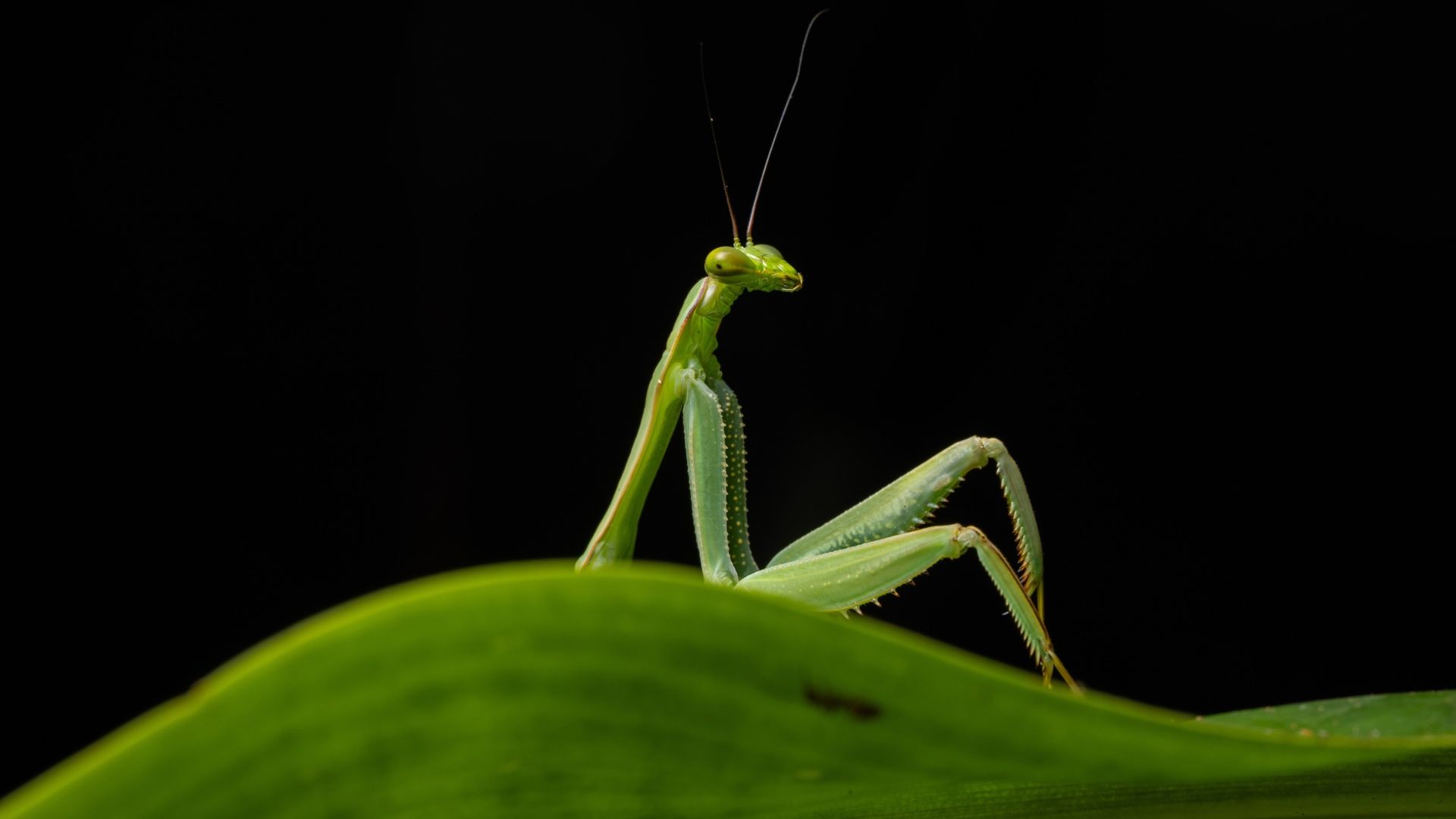
'Sexy Mantis,' obscene orangutan and prancing sparrowhawk feature in 2026 Nikon Comedy Wildlife Awards
Key Points
'Sexy Mantis,' obscene orangutan and prancing sparrowhawk feature in 2026 Nikon Comedy Wildlife Awards The Nikon Comedy Wildlife Awards has unveiled its finalists for 2026, so let's all have a good laugh at nature. Have you ever wondered what it's like to be flipped off by an orangutan or seduced by a mantis? Well, wonder no more, thanks to the 2026 Nikon Comedy Wildlife Awards.
'Sexy Mantis,' obscene orangutan and prancing sparrowhawk feature in 2026 Nikon Comedy Wildlife Awards
The Nikon Comedy Wildlife Awards has unveiled its finalists for 2026, so let's all have a good laugh at nature.
Have you ever wondered what it's like to be flipped off by an orangutan or seduced by a mantis? Well, wonder no more, thanks to the 2026 Nikon Comedy Wildlife Awards.
This photography competition showcases the amusing side of nature, usually by anthropomorphizing it in some way, and features a variety of comical critters from across the globe.
This year, a surprised owl and a brown bear striking a pose are featured among the more than 10,000 entries, with photographers competing for a luxury safari in Kenya's Maasai Mara National Reserve.
Live Science rounded up some of the funniest photos from the 2026 finalists for your enjoyment. And yes, the orangutan and mantis have made it to the finals.
"Are You Kidding Me?"
Here we see a squirrel launching itself at a great horned owl fledgling in Natural Bridges State Beach park in Santa Cruz, California. According to photographer Kevin Lohman, the squirrel knocked the owl off its perch three times.
Our video channels editor, Elise Poore, said this photo really made her laugh. I doubt the owl found it quite so funny. However, great horned owls (Bubo virginianus) do hunt squirrels, so it's no surprise that these rodents can get a little tetchy around the birds.
"Spicy Orangutan"
This "Spicy Orangutan" entry features a male Bornean orangutan (Pongo pygmaeus) raising one finger, giving the appearance that he's flipping off the camera. In the description accompanying the image, photographer Tanner Mansell explained that the orangutan was finishing his meal at the time.
Get the world’s most fascinating discoveries delivered straight to your inbox.
"Even though he was completely wild and just enjoying his food, I couldn't help wondering, 'Does he know what he's doing?'" Mansell wrote.
No, Mansell, he doesn't.
"Ballet Dancer"
This photo of a sparrowhawk (Accipiter nisus) in Dumfries, Scotland, is titled "Ballet Dancer," but to me, the balancing bird looks more like an Olympic gymnast in the middle of a complex beam routine. Either way, perfect form!
"Push Over"
This lion snapshot, taken in the Ruckomechi riverbed in Zimbabwe, is one of many finalists that appear to show animals laughing or joking around.
"#ForTheGram"
Photographer Rosie Barrett was getting shots of three yearling brown bears (Ursus arctos) in Finland when one appeared to strike a pose.
"Pretty sure he knew it was for Instagram..un-bear-lieavable!" Barrett wrote in a description of her photo.
S-bear me.
"Sexy Mantis"
I know what you're thinking: This mantis looks like it's saying, "Draw me like one of your French girls." However, if you can look past the sexualization of an insect, you might notice a pretty neat trick in how the photo was framed.
Half of the mantis's body is hidden behind the leaf. What appears to be a torso and legs are actually the creature's forelimbs, which it uses to catch prey. Photographer Diego Perez explained that he snapped the mantis while documenting wildlife in the proposed Bosques del Araza Regional Conservation Area in Peru, which is currently threatened by illegal gold mining.
"Sea Gangsters"
Here we see a herd of walruses on the coast of Svalbard in Norway. The photo is titled "Sea Gangsters," implying that the walruses look like tough guys. You'd probably feel tough, too, if your tusks (which are actually sabers) grew to around 3 feet (1 meter) long.
"Little Godzilla"
Ten out of 10. No notes. But, in all seriousness, red squirrels (Sciurus vulgaris) are known to grab materials like dried grass and moss to line their nests, called dreys, so maybe this little fellow is working on its home sweet home.
"The Different One"
RELATED STORIES
Sometimes, all a photographer needs is the Maasai Mara, three young giraffes and a perfectly placed acacia tree. It's nice that the photographer caught them at a standstill, since these ungulates can run up to 35 mph (56 km/h) in short bursts.
This is just a selection of the finalists. You can see the rest of the contenders in Nikon's 2026 finalists gallery. The winners will be announced Dec. 8.
What do you know about the animal kingdom? Test your knowledge with our animal quiz!
Patrick Pester is the trending news writer at Live Science. His work has appeared on other science websites, such as BBC Science Focus and Scientific American. Patrick retrained as a journalist after spending his early career working in zoos and wildlife conservation. He was awarded the Master's Excellence Scholarship to study at Cardiff University where he completed a master's degree in international journalism. He also has a second master's degree in biodiversity, evolution and conservation in action from Middlesex University London. When he isn't writing news, Patrick investigates the sale of human remains.
You must confirm your public display name before commenting
Please logout and then login again, you will then be prompted to enter your display name.
Nikon Comedy Wildlife Awards (EVENT)
Kenya (LOCATION)
Maasai Mara National Reserve (ORG)
Live Science (ORG)
Natural Bridges State (LOCATION)
Santa Cruz (LOCATION)
California (LOCATION)
Kevin Lohman (PERSON)
Elise Poore (PERSON)
Bornean (PERSON)
Tanner Mansell (PERSON)
Mansell (PERSON)
Dumfries (LOCATION)
Scotland (LOCATION)
Olympic (LOCATION)