
Weather
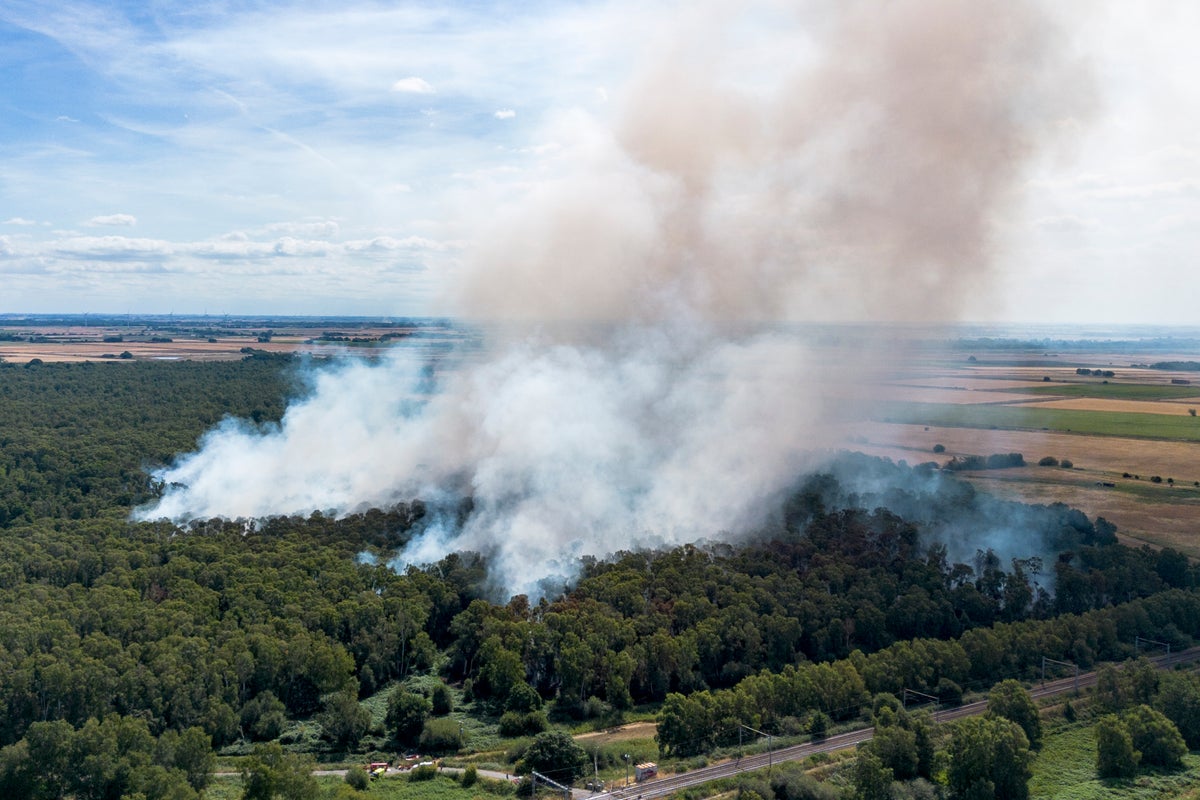
England wildfires soar to second-highest on record after extreme weather
Key Points
England wildfires soar to second-highest on record after extreme weather Prolonged hot and dry conditions across spring and summer left land parched and plunged large swathes of England into drought - Bookmark - CommentsGo to comments Become an Independent member to bookmark this article Already a member? Log in England has experienced its second-highest annual total of wildfires on record in 2026, provisional figures published on Thursday by the Housing Department (MHCLG) show. A total of...
England wildfires soar to second-highest on record after extreme weather
Prolonged hot and dry conditions across spring and summer left land parched and plunged large swathes of England into drought
- Bookmark
- CommentsGo to comments
Become an Independent member to bookmark this article
Already a member? Log in
England has experienced its second-highest annual total of wildfires on record in 2026, provisional figures published on Thursday by the Housing Department (MHCLG) show.
A total of 1,354 wildfires occurred between January and August this year, according to an ad hoc release of data detailing all incidents attended by fire and rescue services from 2010 through to 2026.
The current figure is second only to the record set in 2022, when 1,592 blazes were recorded across the entire year as summer temperatures rose to an unprecedented 40C and major fires erupted nationwide.
Although the data for 2026 does not cover the remaining months, overall numbers are unlikely to overtake the peak seen in 2022, owing to the cooler and wetter weather expected between October and December.
Official definitions classify wildfires as outdoor blazes burning more than 1,000 square metres of land. These cover areas such as grassland, heathland, scrubland, various farmlands, woodland, domestic gardens, parks and recreational land.
The widespread outbreaks across England this year followed extended hot and dry weather throughout spring and summer, which left the countryside parched and pushed large areas of the country into drought.
Major incidents included a roadside van fire on the A31 which spread and destroyed ancient trees, rare heathland and wetlands across the New Forest national park in August.
Two blazes in Stourbridge near Dudley destroyed 19 homes as flames spread across more than 500 acres.
Wildlife habitats were devastated by a fire at Dunwich Heath along the Suffolk coast, including parts of the RSBP Mismere nature reserve.
The conditions prompted prime minister Andy Burnham to introduce a temporary ban on disposable barbecues in August.
Between 2010 and 2018, the number of wildfires did not exceed 721, according to the figures.
But 2018 saw them soar past 1,000 for the first time on record, hitting 1,157.
It means three of the last nine years have seen numbers hitting the 1,000 mark, while 2025 was just shy with 987 recorded incidents.
An MHCLG spokesperson said: “This summer was one of the most challenging wildfire seasons on record, which saw an extraordinary response from firefighters and emergency responders.
“We have to make sure we are prepared for the threat of wildfires – which is why we have invested nearly £100 million to upgrade national resilience assets and we are convening a summit with fire and rescue service partners to inform decision-making and make sure we have the right equipment and resources to be as resilient as possible.”
Join our commenting forum
Join thought-provoking conversations, follow other Independent readers and see their replies
Comments