
Politics
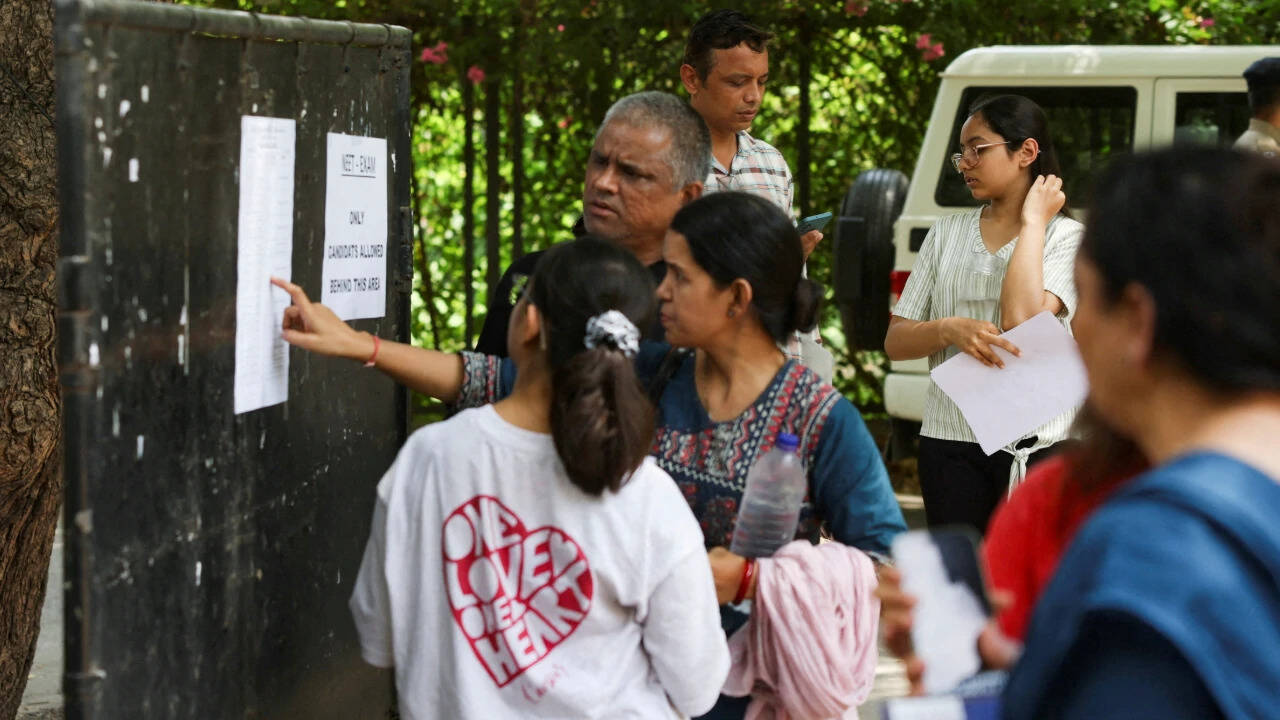
NEET cancellation exposed NTA gaps: Parliamentary panel
Key Points
Seeking a sweeping overhaul of NTA after the NEET-UG 2026 question paper was leaked despite biometric checks, jammers and AI-monitored CCTVs, a Parliamentary panel has recommended making the medical entrance exam computer-based, creation of secure question banks and investment of NTA's accumulated surplus in govt-run test centres. The parliamentary standing committee on education, chaired by Congress MP Mukul Wasnik, said the cancellation despite strengthened safeguards demonstrated the need...
NEW DELHI: Seeking a sweeping overhaul of NTA after the NEET-UG 2026 question paper was leaked despite biometric checks, jammers and AI-monitored CCTVs, a Parliamentary panel has recommended making the medical entrance exam computer-based, creation of secure question banks and investment of NTA's accumulated surplus in govt-run test centres.The parliamentary standing committee on education, chaired by Congress MP Mukul Wasnik, said the cancellation despite strengthened safeguards demonstrated the need for "greater procedural and institutional reforms". Its 35 observations and recommendations include an independent mechanism to audit examination security and report directly to the education ministry. After the 2024 controversies, the panel questioned whether security upgrades alone can safeguard examinations.
Acknowledging that NTA conducts examinations involving around 1.2 crore candidates annually, the panel welcomed reforms introduced since 2024. However, it flagged structural weaknesses, arguing that rebuilding public trust required more than new surveillance measures.The scale of disputes has been substantial. NTA's 2024-25 report recorded 474 court cases, including 356 concerning NEET-UG 2024. The panel said restoring confidence required a "two-way communication", rather than engagement largely restricted to portals and notifications.
Manash Pratim Gohain is a seasoned journalist with over two decades at The Times of India, where he has built a rich body of work spanning education policy, politics, and governance. Renowned for his incisive coverage of the National Education Policy (NEP) 2020, accreditation reforms, and skilling initiatives, he has also reported on student politics, urban policy, and social movements. His political reportage—both reflective and news-driven—adds depth to his writing, bridging policy with public impact. Through his 2,500 articles and related outlets, he has emerged as a trusted voice in national discourse, particularly in linking education reform to broader societal change.